
14-Day China History and Culture Itinerary: From Imperial Capitals to Silk Road
本页尚未提供您的语言版本,暂以英文原文展示。
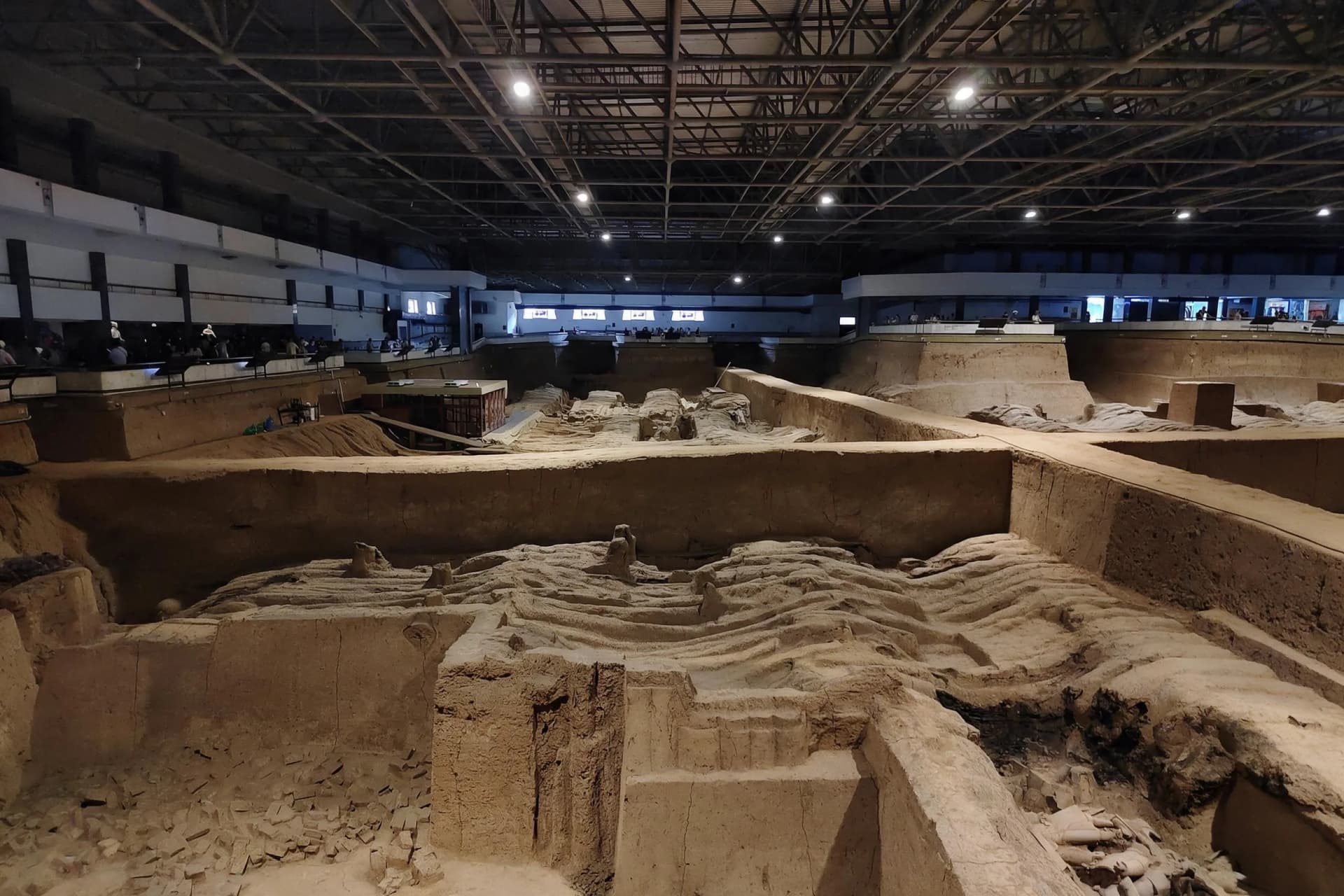
A 14-day history route should choose a coherent story, not simply list the most famous monuments. A strong option is Beijing, Datong, Xi'an and Luoyang, tracing imperial capitals, Buddhist art and Silk Road exchange. Keep one domestic flight or long rail transfer and protect museum time.
A 14-day history route should choose a coherent story, not simply list the most famous monuments. A strong option is Beijing, Datong, Xi'an and Luoyang, tracing imperial capitals, Buddhist art and Silk Road exchange. Keep one domestic flight or long rail transfer and protect museum time.
Beijing provides the imperial axis and the Great Wall; Datong adds Yungang's Buddhist sculpture and timber temples; Xi'an connects the Terracotta Army, city wall and Muslim Quarter; Luoyang brings Longmen Grottoes and early dynastic history. Read one short period overview before each city so the sites build on each other.
Allow Beijing four nights, Datong two, Xi'an three and Luoyang two, with one transfer/buffer day. If the pace is too dense, remove one city rather than cutting every museum to 45 minutes. Use guides selectively at Yungang, Longmen and the imperial sites where context transforms the experience.
Spring and autumn are best for long walking days. Public holidays increase museum queues and transport demand. Some caves and halls have conservation closures. Verify opening days and timed reservations before fixing the route. Rain can make old stone paths and temple courtyards slippery.
Rail is practical between Beijing, Datong, Xi'an and Luoyang, but station transfers and security must be included. Use a private vehicle for Yungang and remote sites. A hotel near the historic core reduces daily commuting. Keep luggage manageable and carry the passport for every official ticket.
At Buddhist caves, temples and museums, follow photography and behavior rules. Do not touch carved surfaces or use flash where prohibited. Ask before photographing worshippers or monks. Historical interpretation should distinguish original fabric, reconstruction and political narrative rather than presenting every site as a neutral ancient treasure.
The main risk is historical overload and poor pacing. A guide who talks for three hours can be less useful than a focused explanation and time to look. Check site closures, heat, altitude and access. If a museum is unavailable, use an archive or secondary collection rather than substituting a commercial attraction.
A local guide is most valuable when the visit depends on interpretation, reservations or access: a historic neighborhood, an active temple, a workshop, a remote trail or a food market. Ask what the guide will actually do, whether tickets and transport are included and whether the quoted language is fluent enough for detailed questions. Do not use a guide simply to bypass rules or gain private access that is not officially available. Build independent time into each day so the trip still feels like your own rather than a continuous escorted presentation.
Plan transport around door-to-door time, not map distance. Ask whether the quoted vehicle fits the luggage, whether the driver is licensed for commercial passengers and where the vehicle can stop near the entrance. Keep one realistic recovery block after a long arrival and avoid unprotected same-day connections between an international flight and a remote transfer. A paper copy of hotel names in Chinese and a screenshot of the station or airport meeting point are useful when mobile data is slow.
Separate the planning budget into transport, accommodation, tickets, food, guides and insurance, then check what is actually included. Customer-facing ChinaMira prices are shown in USD; the CNY amount used for Alipay, WeChat Pay or bank transfer appears separately at checkout or on an invoice. Do not select a supplier by headline price alone. Confirm cancellation terms, guide language, vehicle class, medical contingency and emergency support before paying through a verified company channel.
Book in a clear sequence: settle the route and season, confirm any permit or timed reservation, reserve the first hotel and transfer, then add rail or domestic flights. Keep passport details consistent and save all confirmations offline. Share mobility, dietary, prayer, allergy, child or medical requirements in writing before suppliers are reserved. Leave one unscheduled half-day after the main arrival and one buffer before departure; those gaps solve more problems than another rushed attraction.
实用信息
- Core route
- Beijing, Datong, Xi'an and Luoyang
- Suggested nights
- 4 + 2 + 3 + 2 plus buffers
- Main themes
- Imperial capitals, Buddhist art and Silk Road exchange
- Reservations
- Check timed museum and cave access
- Emergency numbers
- Police 110, ambulance 120, fire 119
常见问题
Is this route too ambitious for 14 days?
It is dense but workable with four bases, selective guiding and realistic transfers. Remove one city if you want more museum and neighborhood time.
Which stops are essential?
Choose the historical theme that matters most. Beijing and Xi'an provide a strong imperial foundation; Datong and Luoyang add Buddhist and dynastic depth.
Can families follow the history route?
Yes with shorter visits, more rest and fewer late-night activities. A private guide helps children connect objects to stories.
继续探索
Plan with ChinaMira
Turn this into a trip
Use this guide as a starting point — we can handle the route, guides, trains and the visa invitation letter.