
Chinese Architecture Travel Guide: Courtyards, Timber and City Form
本頁尚未提供您的語言版本,暫以英文原文顯示。
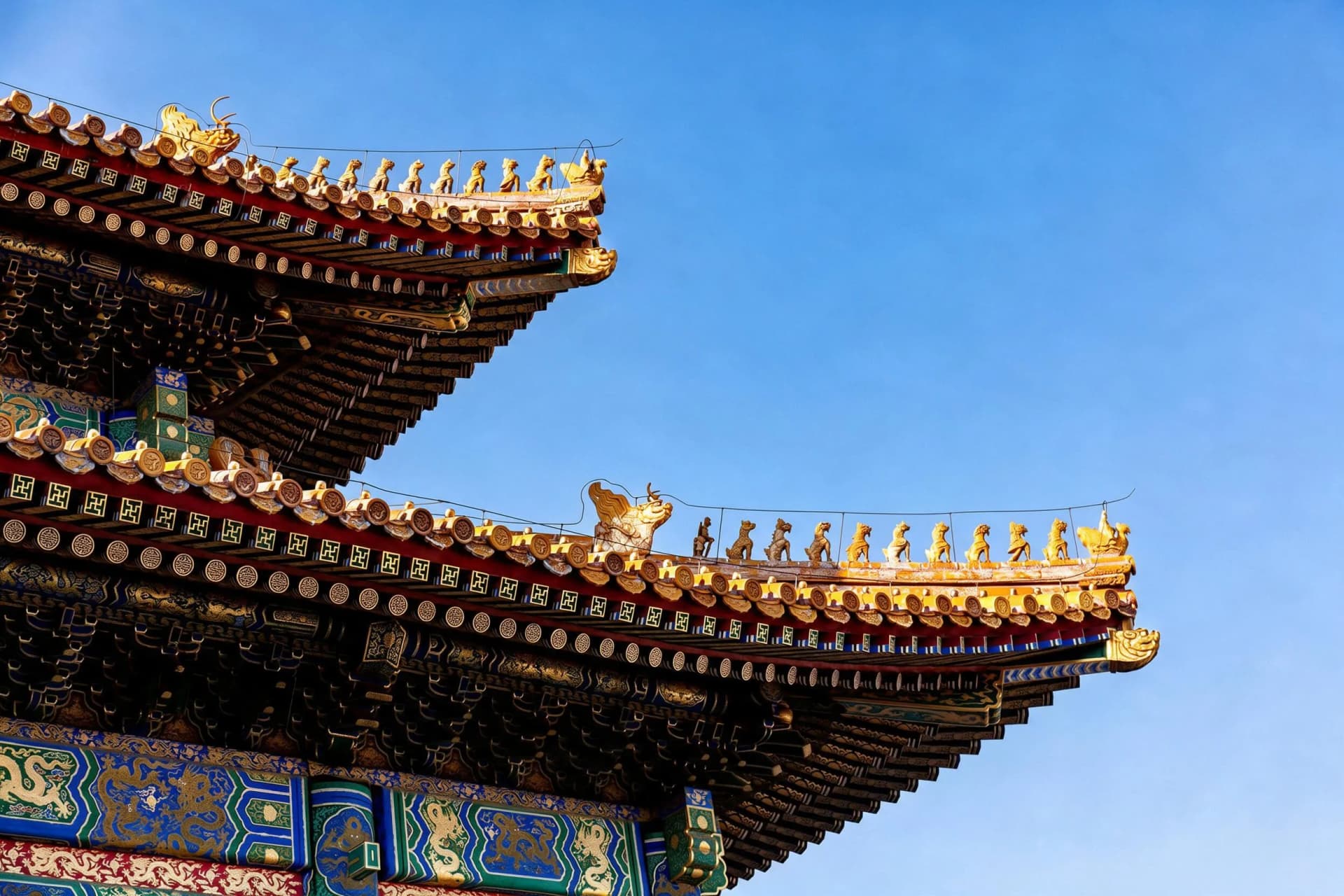
To understand Chinese architecture, compare building types across cities rather than collecting façades. Courtyard houses, temple halls, gardens, city walls, bridges and modern civic buildings each express different ideas about family, ritual, landscape and public life. A good route pairs Beijing, Suzhou, Shanxi and one contemporary city.
To understand Chinese architecture, compare building types across cities rather than collecting façades. Courtyard houses, temple halls, gardens, city walls, bridges and modern civic buildings each express different ideas about family, ritual, landscape and public life. A good route pairs Beijing, Suzhou, Shanxi and one contemporary city.
Look at how a building meets the ground, how roofs shed rain, how rooms surround a courtyard and how a path controls your view. Gardens are designed as sequences, not open lawns. Temple halls use timber frames, brackets and thresholds that shape movement. At heritage sites, the reconstruction line between original fabric and new work should be explained rather than hidden.
A two-week architecture route can combine Beijing's imperial axis and courtyards, Datong and Pingyao's timber and cave traditions, Suzhou's gardens, Shanghai's modern waterfront and one rural project if access is arranged. Do not try to see every famous building; choose three themes such as imperial, domestic and contemporary.
Spring and autumn are best for walking and photography. Museums and halls may close for conservation or change opening hours. Strong sun and rain affect courtyards and roof visibility. Check whether a building is an active temple, a museum or a reconstruction before planning a visit. Some sites require advance reservation.
Architecture travel involves a lot of walking and stairs. Choose hotels with good access to historic districts but avoid assuming every old building has an elevator. A private guide can unlock context at smaller sites that lack English labels. Keep the itinerary slow enough to sit, draw or observe details.
Historic buildings are also homes, religious spaces and community property. Do not enter private courtyards just because the gate is open. Ask before photographing residents or rituals. Modest dress helps at temples. At ancient villages and heritage projects, buy locally and ask how tourism revenue supports maintenance.
The common mistake is visiting only reconstructed landmarks. Balance iconic sites with museums and ordinary neighborhoods. Check structural access, stairs, heat and rain. If a conservation closure occurs, use the city museum or archive as the substitute rather than paying for a low-value replica attraction.
A local guide is most valuable when the visit depends on interpretation, reservations or access: a historic neighborhood, an active temple, a workshop, a remote trail or a food market. Ask what the guide will actually do, whether tickets and transport are included and whether the quoted language is fluent enough for detailed questions. Do not use a guide simply to bypass rules or gain private access that is not officially available. Build independent time into each day so the trip still feels like your own rather than a continuous escorted presentation.
Plan transport around door-to-door time, not map distance. Ask whether the quoted vehicle fits the luggage, whether the driver is licensed for commercial passengers and where the vehicle can stop near the entrance. Keep one realistic recovery block after a long arrival and avoid unprotected same-day connections between an international flight and a remote transfer. A paper copy of hotel names in Chinese and a screenshot of the station or airport meeting point are useful when mobile data is slow.
Separate the planning budget into transport, accommodation, tickets, food, guides and insurance, then check what is actually included. Customer-facing ChinaMira prices are shown in USD; the CNY amount used for Alipay, WeChat Pay or bank transfer appears separately at checkout or on an invoice. Do not select a supplier by headline price alone. Confirm cancellation terms, guide language, vehicle class, medical contingency and emergency support before paying through a verified company channel.
Book in a clear sequence: settle the route and season, confirm any permit or timed reservation, reserve the first hotel and transfer, then add rail or domestic flights. Keep passport details consistent and save all confirmations offline. Share mobility, dietary, prayer, allergy, child or medical requirements in writing before suppliers are reserved. Leave one unscheduled half-day after the main arrival and one buffer before departure; those gaps solve more problems than another rushed attraction.
實用資訊
- Best route
- Beijing, Datong/Pingyao, Suzhou and Shanghai
- Themes
- Imperial, courtyard, garden, timber and modern
- Walking
- Expect stairs, stone paths and uneven surfaces
- Conservation
- Check openings and restoration notices
- Emergency numbers
- Police 110, ambulance 120, fire 119
常見問題
Which cities are best for Chinese architecture?
Beijing, Datong, Pingyao, Suzhou and Shanghai give a strong comparison of imperial, courtyard, garden, timber and modern architecture.
Can architecture tours be accessible?
Some museums and modern sites are accessible, but historic courtyards and temples often have steps. Verify the exact route and entrances in advance.
Are reconstructed buildings worth visiting?
They can help with orientation, but pair them with original fabric and museum collections. Ask what is historic and what is new.
繼續探索
Plan with ChinaMira
Turn this into a trip
Use this guide as a starting point — we can handle the route, guides, trains and the visa invitation letter.