
Chinese Martial Arts Travel: Training, Temples and Responsible Visits
このページはまだ日本語版がありません。英語版を表示しています。
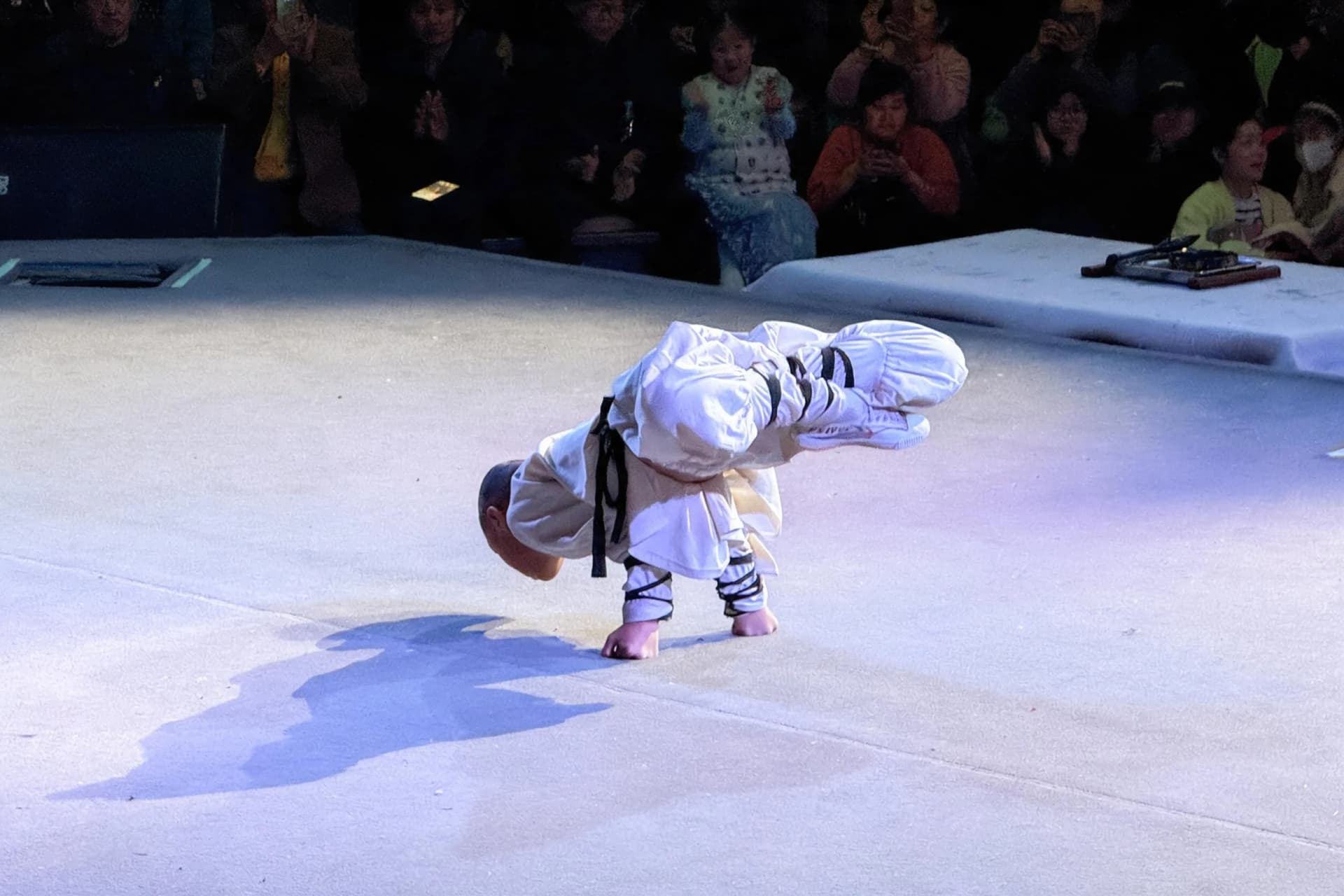
A meaningful martial-arts trip separates observation, short introductory practice and intensive training. Shaolin, Wudang and other mountain communities have living religious and training traditions. Choose a verified school, ask about insurance and do not promise that a few days will make you a martial artist.
A meaningful martial-arts trip separates observation, short introductory practice and intensive training. Shaolin, Wudang and other mountain communities have living religious and training traditions. Choose a verified school, ask about insurance and do not promise that a few days will make you a martial artist.
Watch a class before paying. A good teacher explains stance, breathing, repetition and safety rather than starting with dramatic weapons. Attendance at a temple or academy does not equal a retreat package. Ask whether classes are in Mandarin, whether translation is provided and whether students live and eat on site.
Choose one school or region and allow a minimum of several nights for orientation. Shaolin near Dengfeng, Wudang in Hubei and other schools require different travel. Combine training with local history and landscape, but do not add a heavy sightseeing schedule to a physically demanding first week.
Training may follow school terms, festivals or teacher availability. Weather affects mountain exercise and transport. Check whether the visit is during a performance season or ordinary class time. If the aim is cultural observation, a shorter temple and museum visit may be more suitable than a long course.
Bring appropriate shoes, knee protection and travel insurance that covers the activity. Ask about accommodation, meals, water and medical support. Do not sign a long contract or pay a large deposit without written terms. Solo travelers should share the school address and emergency contact.
Martial arts are tied to Buddhism, Daoism, local identity and family lineage. Dress modestly, bow or greet in the way the school requests and avoid treating teachers as tourist characters. Ask before photographing students or ceremonies. Championships and public performances are not the same as daily training.
The main risks are unverified schools, unsupervised contact sparring and medical insurance exclusions. Never accept a hard contact exercise without matching experience and safety equipment. If an injury occurs, stop and seek qualified medical care rather than continuing to prove commitment.
A local guide is most valuable when the visit depends on interpretation, reservations or access: a historic neighborhood, an active temple, a workshop, a remote trail or a food market. Ask what the guide will actually do, whether tickets and transport are included and whether the quoted language is fluent enough for detailed questions. Do not use a guide simply to bypass rules or gain private access that is not officially available. Build independent time into each day so the trip still feels like your own rather than a continuous escorted presentation.
Plan transport around door-to-door time, not map distance. Ask whether the quoted vehicle fits the luggage, whether the driver is licensed for commercial passengers and where the vehicle can stop near the entrance. Keep one realistic recovery block after a long arrival and avoid unprotected same-day connections between an international flight and a remote transfer. A paper copy of hotel names in Chinese and a screenshot of the station or airport meeting point are useful when mobile data is slow.
Separate the planning budget into transport, accommodation, tickets, food, guides and insurance, then check what is actually included. Customer-facing ChinaMira prices are shown in USD; the CNY amount used for Alipay, WeChat Pay or bank transfer appears separately at checkout or on an invoice. Do not select a supplier by headline price alone. Confirm cancellation terms, guide language, vehicle class, medical contingency and emergency support before paying through a verified company channel.
Book in a clear sequence: settle the route and season, confirm any permit or timed reservation, reserve the first hotel and transfer, then add rail or domestic flights. Keep passport details consistent and save all confirmations offline. Share mobility, dietary, prayer, allergy, child or medical requirements in writing before suppliers are reserved. Leave one unscheduled half-day after the main arrival and one buffer before departure; those gaps solve more problems than another rushed attraction.
知っておきたいこと
- Suggested stay
- Several nights for orientation and basic practice
- Safety
- Confirm supervision, insurance and contact rules
- Language
- Ask whether instruction is Mandarin or translated
- Culture
- Temple and school rules take priority over tourist expectations
- Emergency numbers
- Police 110, ambulance 120, fire 119
よくある質問
Can beginners join a kung fu school in China?
Some programs accept beginners, but teaching style and safety vary. Watch a class, ask about insurance and confirm the language and supervision.
Is a temple stay always a martial arts experience?
No. Temples may be religious communities with limited visitor access. Ask whether training is part of the stay or a separate commercial course.
What should I pack?
Supportive shoes, layers, knee protection, a water bottle and any prescribed medicine. Confirm whether training uniform is provided.
さらに見る
Plan with ChinaMira
Turn this into a trip
Use this guide as a starting point — we can handle the route, guides, trains and the visa invitation letter.