
China Travel from the United States: 2026 Visa and Route Planning
このページはまだ日本語版がありません。英語版を表示しています。
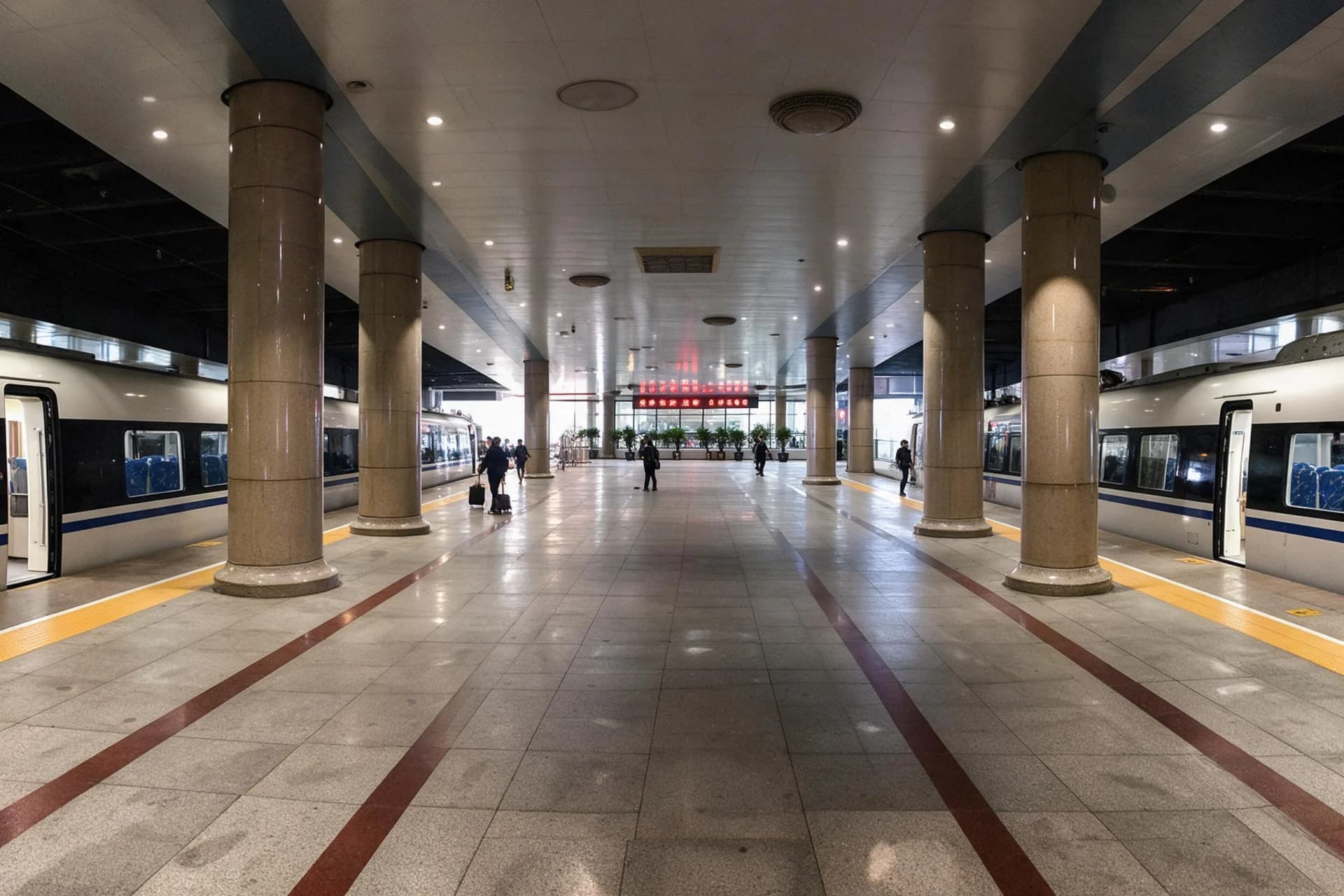
Start with the entry category, not the flight. US passport holders should verify whether their exact itinerary fits visa-free transit or requires a tourist visa, then build a 10-14 day route around one arrival gateway and one departure gateway. A first trip usually works best with Beijing and Xi'an plus either Shanghai or Chengdu; trying to add four distant regions in two weeks creates more station time than actual travel.
Start with the entry category, not the flight. US passport holders should verify whether their exact itinerary fits visa-free transit or requires a tourist visa, then build a 10-14 day route around one arrival gateway and one departure gateway. A first trip usually works best with Beijing and Xi'an plus either Shanghai or Chengdu; trying to add four distant regions in two weeks creates more station time than actual travel.
Check the National Immigration Administration's current visa-free list and the Visa for China application requirements on the day you book. The 240-hour transit policy is itinerary-specific: nationality, route through China, confirmed onward ticket, intended area and approved entry port all matter. It is not a general visa waiver. If you do not meet every condition, apply for the appropriate visa before departure and carry the original passport used in the application. Recheck rules again shortly before flying because eligibility lists and port arrangements can change.
Use the US departure airport that gives the simplest protected connection rather than chasing the cheapest separate tickets. Los Angeles, San Francisco, Seattle, New York, Chicago and other major gateways can offer different China arrival points, so compare the full door-to-door journey. Keep at least three hours for an international-to-international connection on separate tickets and consider an overnight near the gateway if a missed connection would destroy the first hotel night. Beijing, Shanghai, Guangzhou and Chengdu are practical first entry points because they connect easily to high-speed rail.
A balanced 12-day framework is three nights in Beijing, two in Xi'an, three in Chengdu and three in Shanghai, with rail between Xi'an, Chengdu and Shanghai where the schedule suits. A shorter eight-day trip should choose one region: Beijing with the Great Wall and Xi'an, or Shanghai with Hangzhou and Suzhou. Add Guilin, Zhangjiajie or Yunnan only when the itinerary has at least 14 days or includes a domestic flight. Travelers using a transit entry must ensure the route genuinely continues to a third country and that all cities remain inside the permitted area.
Set up Alipay or WeChat Pay before departure and link a card that allows overseas transactions. Keep a second card and a modest cash backup, but do not rely on cash as the main payment method. Install an eSIM or roaming plan that works in mainland China, download offline maps and translation packs, and save hotel addresses in Chinese. Prices on ChinaMira are shown in USD; the checkout will show the CNY amount for Alipay, WeChat Pay or bank transfer when relevant. Carry the passport daily because rail collection, hotel registration and many attractions require it.
American travelers often underestimate meal timing, queue culture and the amount of walking inside major sites. Build in a real breakfast, one substantial sightseeing block in the morning and a quieter afternoon or tea break. Restaurant staff may communicate through a QR menu and a translated ordering app rather than English conversation. At temples, museums and minority communities, follow posted photography rules and ask before photographing people. A local guide is most valuable when explaining context and handling logistics, not when reciting dates that are already printed on every exhibit label.
Spring and autumn generally give the most comfortable city walking, but school holidays, Lunar New Year and the first week of October can change transport availability and hotel prices. Summer heat and rain affect eastern cities, while winter works well for Harbin but not for every mountain route. Build one indoor or flexible day into every week. If your dates overlap a public holiday, book rail and key attractions as soon as the official sales window opens and avoid planning a same-day long-distance transfer around a tightly timed flight.
Before paying, confirm entry eligibility, passport validity, hotel registration capability, domestic transport, insurance and cancellation terms. A US-issued travel insurance policy should be checked for overseas medical evacuation and whether it reimburses direct payment to a Chinese hospital. Share mobility needs, food allergies and room configuration in writing. Do not buy separate unconnected long-haul and domestic tickets without a recovery plan. For complex families, a private arrival transfer and one guided day in Beijing or Xi'an often remove more stress than adding another city.
Plan the booking sequence deliberately: verify entry rules, choose one international arrival gateway, reserve the first hotel and airport transfer, then add rail or domestic flights. Build a written daily brief with hotel addresses in Chinese, passport details, insurance and emergency contacts. For a United States group, share any mobility, prayer, dietary, child or medical requirements before suppliers are reserved. Keep one unscheduled half-day after the first long arrival and one buffer before the international return; those two blocks solve more problems than adding another attraction.
知っておきたいこと
- Entry verification
- Check NIA and Visa for China for the exact passport, route and date; policy reviewed 2026-10-25
- Suggested trip length
- 10-14 days for three bases; 7-8 days for one region
- Payments
- Alipay and WeChat Pay with foreign cards, plus one backup card
- Rail ID
- Carry the original passport used for every train ticket
- Emergency numbers
- Police 110, ambulance 120, fire 119
よくある質問
Do US citizens need a visa for every China trip?
Not every itinerary uses the same entry category. US passport holders must verify current visa-free transit eligibility for their exact route or obtain the appropriate visa; a generic claim online is not enough.
How many days should a first US-to-China trip allow?
Ten to fourteen days gives a realistic first trip across two or three bases. Eight days can work if you stay within one region and avoid multiple domestic flights.
Can I use Alipay and WeChat Pay with a US card?
Many international Visa and Mastercard cards can be linked, but success depends on issuer checks and account verification. Set up both apps before flying and keep a backup card.
さらに見る
Plan with ChinaMira
Turn this into a trip
Use this guide as a starting point — we can handle the route, guides, trains and the visa invitation letter.