
Chinese Silk and Living Heritage: Craft Visits Done Responsibly
このページはまだ日本語版がありません。英語版を表示しています。
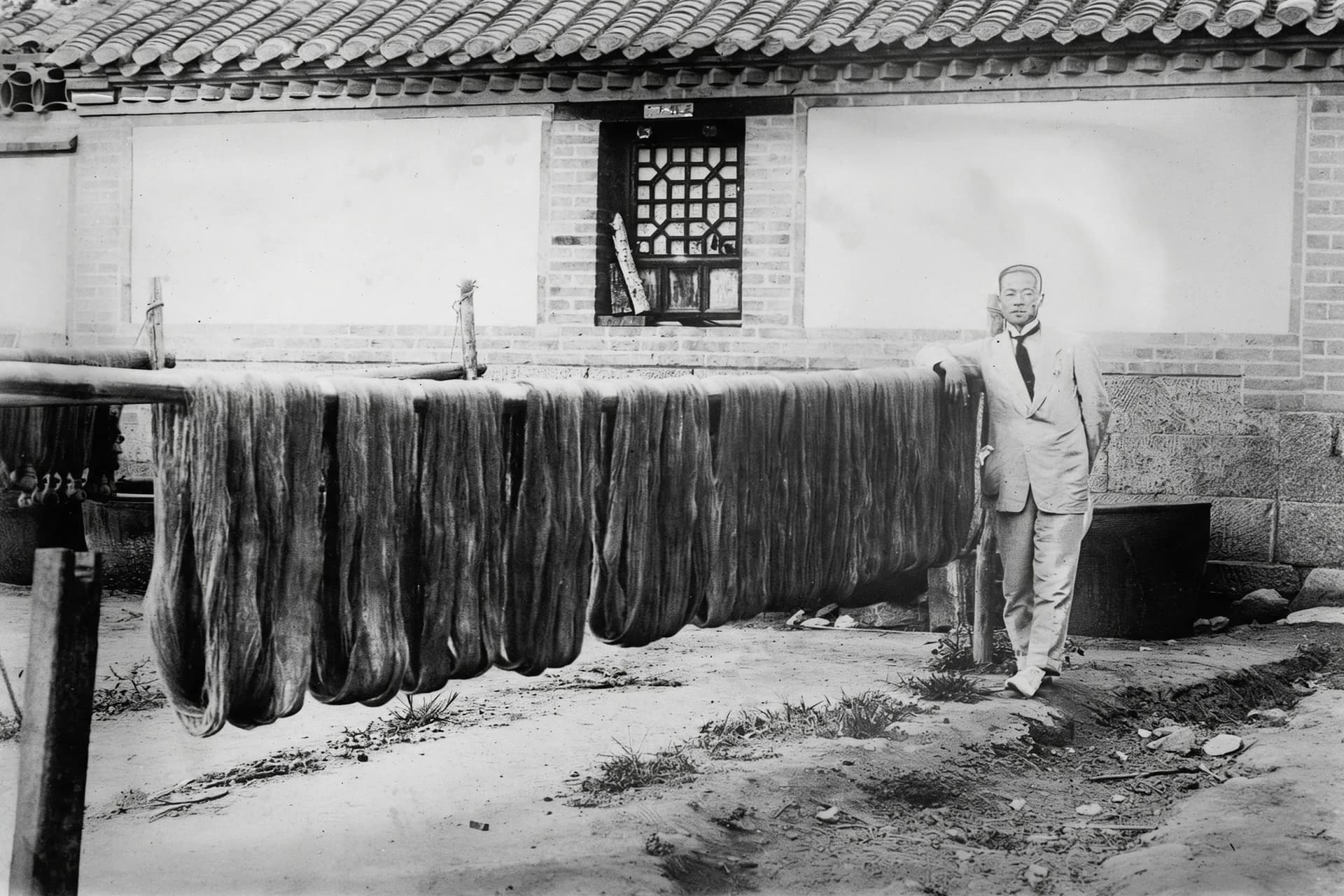
The best craft visits show a working process, fair payment and the difference between handmade, machine-assisted and souvenir production. Suzhou, Hangzhou, Nanjing and selected rural workshops offer silk, embroidery, dyeing and weaving traditions. Ask who made the piece and how before buying.
The best craft visits show a working process, fair payment and the difference between handmade, machine-assisted and souvenir production. Suzhou, Hangzhou, Nanjing and selected rural workshops offer silk, embroidery, dyeing and weaving traditions. Ask who made the piece and how before buying.
Watch the preparation, not only the finished display: thread, dye, loom setup, pattern and finishing can take far longer than the sales presentation suggests. A good workshop explains training, working conditions and the role of design. Museums provide historical context; a small studio can show contemporary practice.
Pair one museum with one verified workshop rather than visiting several commission stores. Suzhou is strong for embroidery and gardens; Hangzhou for silk and tea; Nanjing for cloud brocade and urban history. Rural textile regions require more travel and a local guide. Allow time for questions without turning the visit into a shopping stop.
Workshops may close during major holidays or production cycles. Confirm whether artisans will be working during the visit; a silent showroom is not the same experience. Avoid peak shopping periods when staff cannot explain the process. Check whether photography is allowed in working areas.
Ask for a fixed price, receipt, material description and care instructions. International shipping, customs and return rules matter for expensive textiles. Do not buy animal-derived products without checking import rules. Keep purchases small enough to carry and protect from rain.
Ask before photographing artisans or their work. Do not touch looms, dyes or finished pieces without permission. A “cultural show” may be appropriate for orientation, but the workshop should not imply that every product is handmade. Respect intellectual property and avoid asking artisans to copy a protected design.
The common risks are commission-driven shopping, misleading origin claims and purchases that cannot be shipped or imported. Ask who benefits from the sale. If the workshop cannot show the production process or refuses basic provenance information, leave without pressure.
A local guide is most valuable when the visit depends on interpretation, reservations or access: a historic neighborhood, an active temple, a workshop, a remote trail or a food market. Ask what the guide will actually do, whether tickets and transport are included and whether the quoted language is fluent enough for detailed questions. Do not use a guide simply to bypass rules or gain private access that is not officially available. Build independent time into each day so the trip still feels like your own rather than a continuous escorted presentation.
Plan transport around door-to-door time, not map distance. Ask whether the quoted vehicle fits the luggage, whether the driver is licensed for commercial passengers and where the vehicle can stop near the entrance. Keep one realistic recovery block after a long arrival and avoid unprotected same-day connections between an international flight and a remote transfer. A paper copy of hotel names in Chinese and a screenshot of the station or airport meeting point are useful when mobile data is slow.
Separate the planning budget into transport, accommodation, tickets, food, guides and insurance, then check what is actually included. Customer-facing ChinaMira prices are shown in USD; the CNY amount used for Alipay, WeChat Pay or bank transfer appears separately at checkout or on an invoice. Do not select a supplier by headline price alone. Confirm cancellation terms, guide language, vehicle class, medical contingency and emergency support before paying through a verified company channel.
Book in a clear sequence: settle the route and season, confirm any permit or timed reservation, reserve the first hotel and transfer, then add rail or domestic flights. Keep passport details consistent and save all confirmations offline. Share mobility, dietary, prayer, allergy, child or medical requirements in writing before suppliers are reserved. Leave one unscheduled half-day after the main arrival and one buffer before departure; those gaps solve more problems than another rushed attraction.
知っておきたいこと
- Key regions
- Suzhou, Hangzhou, Nanjing and rural textile areas
- Buying
- Ask price, provenance, materials and care in writing
- Customs
- Check import rules for animal or plant materials
- Photography
- Ask before entering or filming a working studio
- Emergency numbers
- Police 110, ambulance 120, fire 119
よくある質問
Where can I see silk production in China?
Museums and verified workshops in Suzhou, Hangzhou, Nanjing and selected rural textile regions provide different perspectives. Ask whether production is active during your visit.
How can I tell handmade from machine-made?
Ask for a clear explanation of the process, materials and time required. Price alone is not proof, and a certificate should be independently verifiable.
Is it ethical to buy crafts?
Buying directly from paid artisans can support livelihoods. Ask about provenance, working conditions and whether designs are copied from another maker.
さらに見る
Plan with ChinaMira
Turn this into a trip
Use this guide as a starting point — we can handle the route, guides, trains and the visa invitation letter.