
Chinese Tea Culture Travel Guide: Regions, Tastings and Etiquette
このページはまだ日本語版がありません。英語版を表示しています。
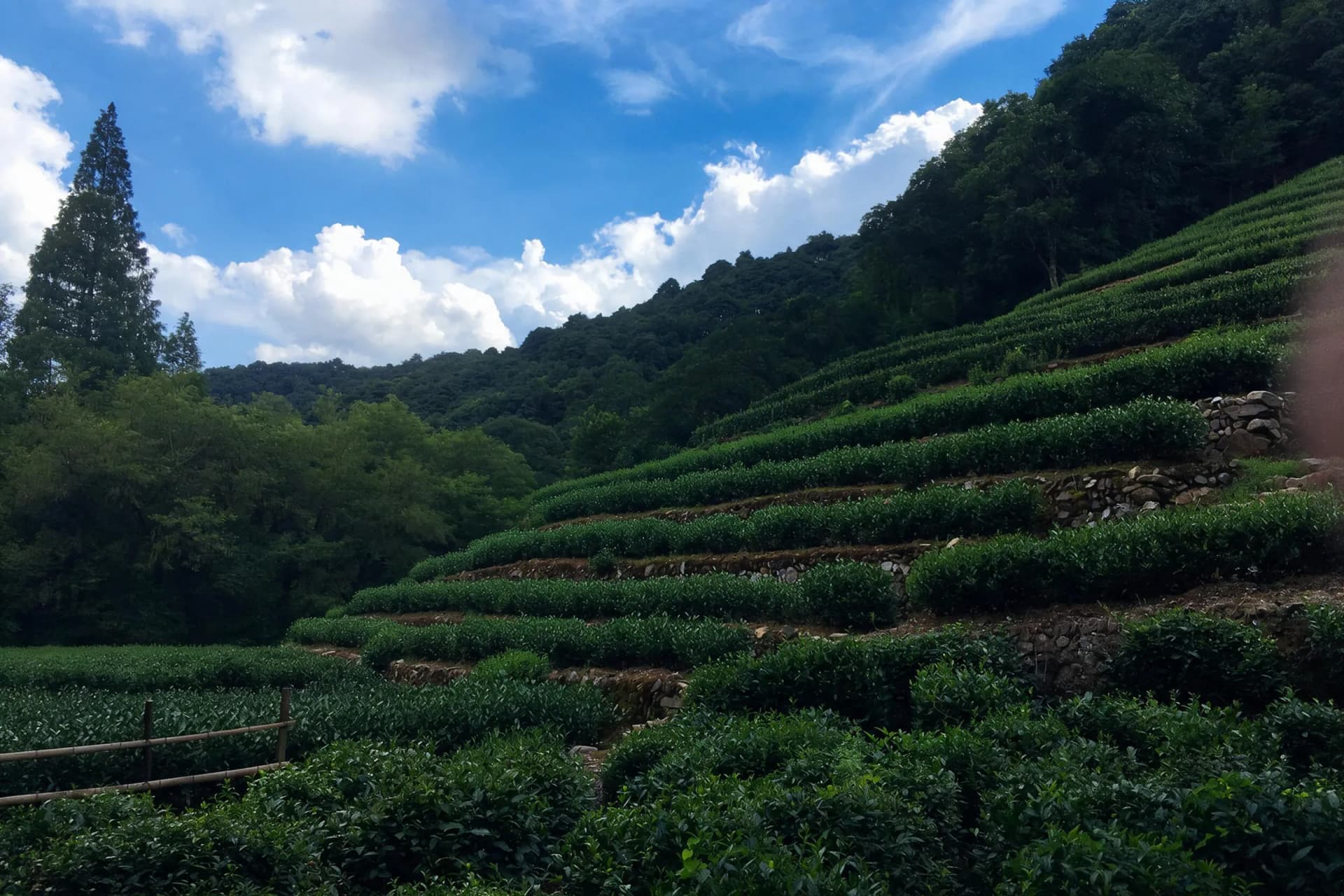
Tea travel is most rewarding when you connect a tasting to a producing region, a working tea business and a clear explanation of processing. Hangzhou, Fujian, Yunnan and Sichuan offer different styles and landscapes. Avoid buying expensive tea solely from a theatrical performance or a pressure sales room.
Tea travel is most rewarding when you connect a tasting to a producing region, a working tea business and a clear explanation of processing. Hangzhou, Fujian, Yunnan and Sichuan offer different styles and landscapes. Avoid buying expensive tea solely from a theatrical performance or a pressure sales room.
A good tasting teaches you to look at leaf shape, smell the dry and wet leaf, taste several infusions and understand water temperature and vessel choice. A working tea garden shows season, picking standard and processing constraints. Ask whether the visit supports a family farm, cooperative or larger factory, and whether the quoted tea is the same one you tasted.
Choose one tea region and pair it with a city and a landscape day. Hangzhou can combine West Lake and Longjing; Fujian can combine coastal or mountain travel with Wuyi and oolong; Yunnan can combine Pu'er and mountain routes. Keep the schedule flexible because harvest and weather affect access.
Spring harvest is a popular window but not the only worthwhile season. Summer heat, rain and mountain roads affect visits. Tea tastings can be arranged year-round, but ask whether the garden is actively producing during your visit. Book transport before adding remote tea villages.
Do not buy large quantities before comparing prices and understanding import rules. Ask for sealed packaging, production date and shipping. Caffeine can affect sleep; taste in the morning. Carry water and avoid driving after an intense tasting on an empty stomach. A local guide can interpret purchasing and etiquette.
Tea is hospitality, agriculture and business. Receive a cup with both hands or a nod, taste before adding anything and ask before handling equipment. At a tea table, let the host lead. Do not assume every ceremony is ancient or every expensive tea is rare. Ask how workers are paid and whether the garden uses sustainable practices.
The biggest risks are high-pressure sales, counterfeit origin claims and buying more tea than can legally or safely be carried home. Taste before purchase, request a receipt and do not let a guide pressure you into a commission stop. If the group does not want a tasting, say so before entering.
A local guide is most valuable when the visit depends on interpretation, reservations or access: a historic neighborhood, an active temple, a workshop, a remote trail or a food market. Ask what the guide will actually do, whether tickets and transport are included and whether the quoted language is fluent enough for detailed questions. Do not use a guide simply to bypass rules or gain private access that is not officially available. Build independent time into each day so the trip still feels like your own rather than a continuous escorted presentation.
Plan transport around door-to-door time, not map distance. Ask whether the quoted vehicle fits the luggage, whether the driver is licensed for commercial passengers and where the vehicle can stop near the entrance. Keep one realistic recovery block after a long arrival and avoid unprotected same-day connections between an international flight and a remote transfer. A paper copy of hotel names in Chinese and a screenshot of the station or airport meeting point are useful when mobile data is slow.
Separate the planning budget into transport, accommodation, tickets, food, guides and insurance, then check what is actually included. Customer-facing ChinaMira prices are shown in USD; the CNY amount used for Alipay, WeChat Pay or bank transfer appears separately at checkout or on an invoice. Do not select a supplier by headline price alone. Confirm cancellation terms, guide language, vehicle class, medical contingency and emergency support before paying through a verified company channel.
Book in a clear sequence: settle the route and season, confirm any permit or timed reservation, reserve the first hotel and transfer, then add rail or domestic flights. Keep passport details consistent and save all confirmations offline. Share mobility, dietary, prayer, allergy, child or medical requirements in writing before suppliers are reserved. Leave one unscheduled half-day after the main arrival and one buffer before departure; those gaps solve more problems than another rushed attraction.
知っておきたいこと
- Regions
- Hangzhou, Fujian, Yunnan and Sichuan
- Tasting
- Compare dry leaf, aroma, taste and multiple infusions
- Buying
- Taste first and confirm price, origin and packaging
- Etiquette
- Let the host lead and ask before handling tools
- Emergency numbers
- Police 110, ambulance 120, fire 119
よくある質問
Which region should I visit for tea?
Hangzhou suits Longjing, Fujian offers oolong and Wuyi tea, Yunnan is known for Pu'er and Sichuan has its own tea-house culture. Choose one region and go deeper.
How do I avoid a tea scam?
Taste first, ask for prices and packaging in writing, compare independently and avoid a stop that appears only because the guide will receive commission.
Is tea tasting suitable for children?
Children can observe, but caffeine matters. Ask for water, small pours and a non-tea alternative.
さらに見る
Plan with ChinaMira
Turn this into a trip
Use this guide as a starting point — we can handle the route, guides, trains and the visa invitation letter.