
Inner Mongolia and Hulunbuir: Seasons, Grasslands and Route Planning
이 페이지는 아직 한국어로 번역되지 않아 영어 원문을 표시합니다.
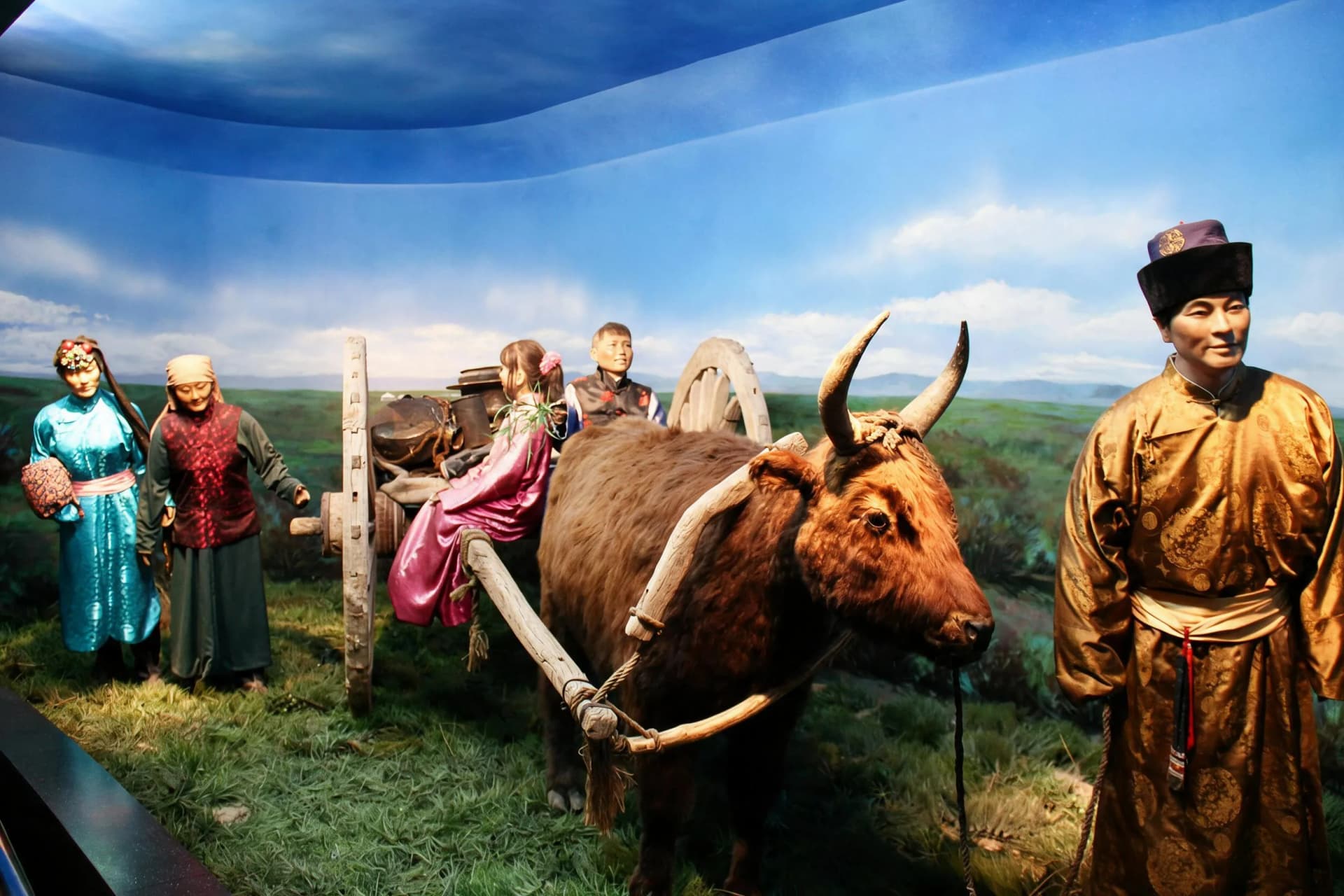
Hulunbuir is a road-trip region, not a single city attraction. Plan 6-8 days from Hailar with a private vehicle, two or three overnight bases and realistic mileage. Early summer through early autumn suits grasslands; winter is a different trip built around snow, cold-weather gear and shorter daylight. Do not expect a yurt stay to resemble a hotel.
Hulunbuir is a road-trip region, not a single city attraction. Plan 6-8 days from Hailar with a private vehicle, two or three overnight bases and realistic mileage. Early summer through early autumn suits grasslands; winter is a different trip built around snow, cold-weather gear and shorter daylight. Do not expect a yurt stay to resemble a hotel.
Hailar is the usual air gateway for Hulunbuir, while Hohhot and Xilingol are separate grassland trips. Roads are long, fuel stops are uneven and weather can change quickly. A local driver who knows current conditions is more useful than a DIY rental car. Confirm whether the vehicle is licensed for commercial tourism, how luggage is carried and whether child seats are available. Keep a paper map and offline navigation.
June to September is the main green-season window, with wildflowers and long daylight varying by location. Autumn color arrives quickly and night temperatures fall. Winter trips require specialist clothing, flexible transport and confirmation that the intended lodge is open. Public holidays and local festivals can fill accommodation. Check the actual weather forecast and road status close to departure.
Pastoral land is working land. Do not enter a yurt, animal enclosure or family compound without invitation. Ask before photographing people, children, horses and ceremonies. Dress modestly for local norms, avoid waste and do not assume every “authentic experience” is appropriate. A local guide can explain hospitality customs, dairy-food etiquette and the difference between a commercial camp and a family stay.
Families should choose shorter driving days and a hotel night between rural stays. Photographers should prioritize a few strong bases rather than chasing every viewpoint. Older travelers need to check vehicle access, bathroom facilities and walking distance at yurt camps. Travelers seeking a quiet landscape should avoid the busiest holiday periods and commercial camps with amplified entertainment.
Remote distances, limited medical facilities, weather and animal safety are the main risks. Carry prescribed medicine, a power bank, warm layers and water. Confirm emergency communications and vehicle recovery arrangements. Do not drive off-road into wet grassland or cross a river without local advice. If a family stay is cancelled, accept an alternative rather than pressuring a community to host.
A good loop limits daily driving and changes the landscape slowly. Leave room for weather, animal crossings and spontaneous stops without turning the trip into a race. Ask whether the vehicle has a roof rack for large luggage and whether the driver can communicate through simple English or translation.
At a family stay, clarify meals, bathroom arrangements, heating, electricity and payment before arrival. Bring a headlamp, reusable bottle and warm sleepwear. Horse riding, herding and camping should be chosen only with trained providers, helmets where appropriate and insurance that covers the activity.
Build the transport plan around one realistic arrival, one primary route and one contingency. A short line on a map can become a half-day transfer in mountains, traffic or bad weather, so ask suppliers for door-to-door time rather than distance alone. Confirm luggage capacity, child-seat availability and whether the driver is licensed for commercial passengers. Avoid unprotected same-day connections between an international flight and a remote transfer; an overnight buffer near the airport or railway station is usually cheaper than rebuilding a disrupted itinerary.
Use a planning budget that separates transport, accommodation, tickets, food, guides and insurance. Customer-facing ChinaMira prices are shown in USD; if Alipay, WeChat Pay or bank transfer is selected, the relevant CNY amount appears at checkout or on the invoice in smaller type. Do not judge a service only by its headline price. Check inclusions, cancellation terms, guide language, vehicle age, medical support and emergency procedures. Pay through verified company channels and independently confirm any change of bank details.
Plan in a deliberate sequence: confirm the route and operating season, identify the city where permits or reservations must be handled, secure a licensed local operator in writing, then book transport and accommodation. Keep passport details consistent across every booking, save Chinese addresses offline and verify cancellation and weather terms before payment. Leave one recovery half-day after the main arrival and one buffer before departure; those blocks are more valuable than squeezing in another attraction.
알아두면 좋은 정보
- Gateway
- Hailar for Hulunbuir
- Suggested trip
- 6-8 days with two or three overnight bases
- Transport
- Private local vehicle is the practical default
- Main season
- June to September for green landscapes
- Emergency numbers
- Police 110, ambulance 120, fire 119
자주 묻는 질문
How many days should I spend in Hulunbuir?
Six to eight days is a practical first loop from Hailar with two or three bases. More days allow slower rural stays and weather flexibility.
Is a yurt stay suitable for everyone?
Not necessarily. Ask about toilets, heating, bedding, walking distance and privacy; choose a hotel if those conditions do not suit the group.
When are the grasslands greenest?
The main green season is usually June to September, but exact conditions vary. Check local weather and seasonal operations before booking.
더 둘러보기
Plan with ChinaMira
Turn this into a trip
Use this guide as a starting point — we can handle the route, guides, trains and the visa invitation letter.