
Chinese Banquet Seating: Where to Sit at a 2026 Business Dinner
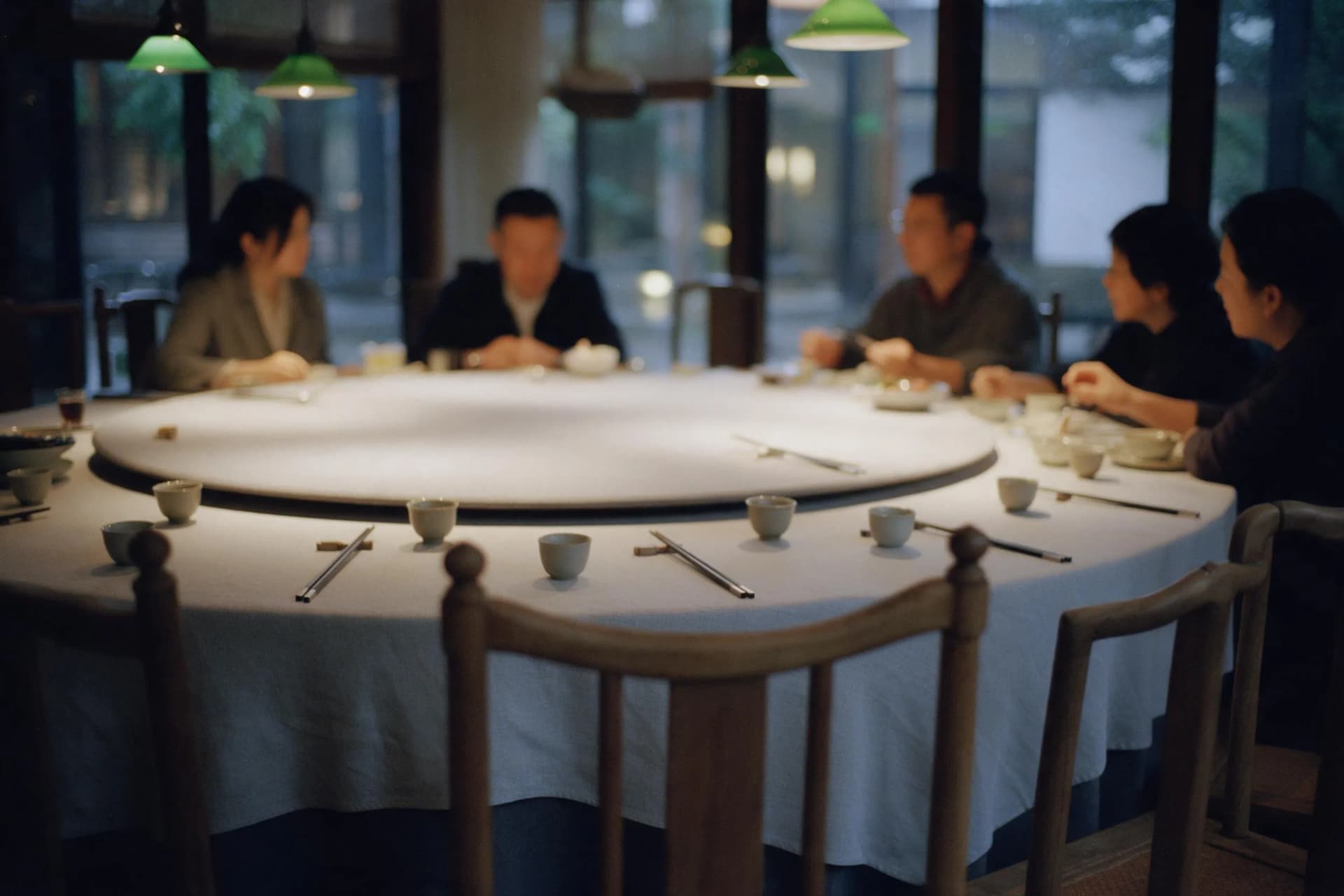
If you are the invited guest at a hosted Chinese business banquet in October 2026, expect $0 table cost and wait for the host to assign your seat. This practical guide explains the head chair, senior-guest placements, toast order, shared-dish manners, exactly when to leave and what to say afterward.
If you are the invited guest at a hosted Chinese business banquet in October 2026, expect to pay $0 and wait for the host to assign your seat. The usual head chair faces the door, with the senior guest on the host’s right, but place cards and local custom override that pattern.
Start before you reach the restaurant. Reply to the invitation within 24 hours, confirm the venue and private-room name, and do not bring an uninvited plus-one. Arrive about 10 minutes early, remove your coat without blocking the service path, and let the host lead you into the room. A business banquet commonly runs for 2–3 hours, so avoid scheduling a tight train or meeting directly afterward.
The seating decision is simple: do not choose the most prominent chair. In the most common round-table layout, the hosting lead sits facing the door, the guest of honor sits on that host’s right and the second-most-senior guest sits on the left. A co-host may sit opposite the hosting lead, near the door, to coordinate dishes and drinks. Some families and regions instead place the top guest in the door-facing chair, so treat place cards and the host’s gesture as the final answer.
If there is no place card, pause beside an ordinary chair and ask, “Where would you like me to sit?” Avoid taking the door-facing position or the chair immediately beside the hosting lead unless invited. Being placed near the door is not necessarily a demotion; it can be a working position for the person coordinating service. Sit only after the host or senior guest begins to sit, and keep your bag off neighboring chairs unless a server supplies a bag stand.
Once seated, watch the table’s rhythm before reaching for anything. Wait for the host or eldest guest to begin. Rest chopsticks on their stand or the plate rim rather than standing them upright in rice, drumming with them or using them to point. When a lazy Susan is present, wait until everyone has served, turn it slowly in the direction the table is already using, and stop whenever someone is reaching across. If serving chopsticks are provided, use them only for the shared plate.
Expect several shared dishes rather than one plated main. Take a modest first portion, try the specialty the host recommends and return for more only after others have had a chance. Keep bones and shells on the side plate, not back in the serving dish. If you have allergies or do not eat pork, shellfish or spicy food, explain that to your host at least 48 hours ahead rather than negotiating every platter at the table. A brief, appreciative comment about the food is warmer than a detailed critique.
The host usually opens the toasts, often with a short welcome and a round of “ganbei,” which literally means emptying the glass. You do not need to drain a strong spirit to be polite. Sip according to your limit, or say before the first toast that you do not drink alcohol and will join with tea. If you drink, pause until the host’s opening round, make brief eye contact and keep your glass rim slightly lower when clinking with a senior guest. Refill a neighbor’s cup before your own when a bottle or teapot is within reach, but never pressure someone else to drink.
As the invited guest, your table cost is $0: the host who issued the invitation is expected to settle the bill. Do not ask to split it, and do not turn the moment into a contest over the check. A single offer near the end—“Thank you; may I contribute?”—is enough, and you should accept a refusal gracefully. A routine tip is also $0; add one only for a clearly stated service charge or an extra service you arranged. Keep a backup payment method for your own transport, but let the host handle the banquet account.
Stay until the host or most senior guest signals the end. Leaving immediately after the last bite can make the group feel rushed. Thank the host at the table, acknowledge the senior guest and say goodbye to the room before collecting your coat. Follow up within 24 hours with one specific thank-you—perhaps for the regional dish, the introduction or the time the host made for you. Do not request a doggy bag unless it is offered.
For a smooth first banquet, confirm the host, room and start time; arrive 10 minutes early; wait for a seating cue; keep portions modest; follow the host’s toast rhythm; and let the bill remain with the host. Those five actions matter more than mastering every regional variation. Save these steps for your next China business dinner so the seat, shared dishes and final goodbye all feel like part of one courteous sequence.
Good to know
- Arrival and duration
- Arrive about 10 minutes early, reply within 24 hours and allow 2–3 hours for a hosted business banquet.
- Invited guest cost
- $0 for the invited guest; the host settles the banquet bill, and a routine tip is also $0 unless a service charge is stated.
- Common head-seat layout
- The hosting lead faces the door in 1 common arrangement, with the guest of honor on the host’s right; place cards and local custom take priority.
- Toast timing
- Wait for the host’s opening round before initiating a toast; join with tea if you do not drink alcohol, and do not pressure others to empty a glass.
- Serving pace
- Take 1 modest portion from each shared dish, use serving utensils when provided and pause the lazy Susan while anyone is serving.
- Departure cue
- Leave after the host or senior guest signals the end, then send 1 specific thank-you message within 24 hours.
Frequently asked questions
Where is the seat of honor at a Chinese banquet?
The most common layout places the hosting lead in the chair facing the door, with the guest of honor on the host’s right. Some regions seat the top guest in the door-facing chair instead, so wait for place cards or the host’s direction.
Do I have to finish my drink when someone says ganbei?
No. Ganbei literally means emptying the glass, but guests may sip according to their limit or join the toast with tea. State that you do not drink alcohol before the opening round rather than refusing abruptly during someone’s toast.
Should I tip at a Chinese business banquet?
Usually no. The inviting host settles the banquet bill, and a routine tip is not expected. Add a payment only if the venue clearly states a service charge or you requested an unusual extra service.
What should I do if I do not drink alcohol at a Chinese dinner?
Tell your host in advance, choose tea or another nonalcoholic drink, and still participate in the toast by raising your cup. Clear communication before the meal is more comfortable than repeatedly rejecting drinks at the table.
When should I leave a Chinese business banquet?
Wait for the host or most senior guest to signal that the meal is ending, then thank the host and senior guest before collecting your coat. A follow-up message within 24 hours is a thoughtful final step.
Keep exploring
Plan with ChinaMira
Turn this into a trip
Use this guide as a starting point — we can handle the route, guides, trains and the visa invitation letter.