
City Guide
Shanghai Travel Guide: Best Things to Do, Eat & See
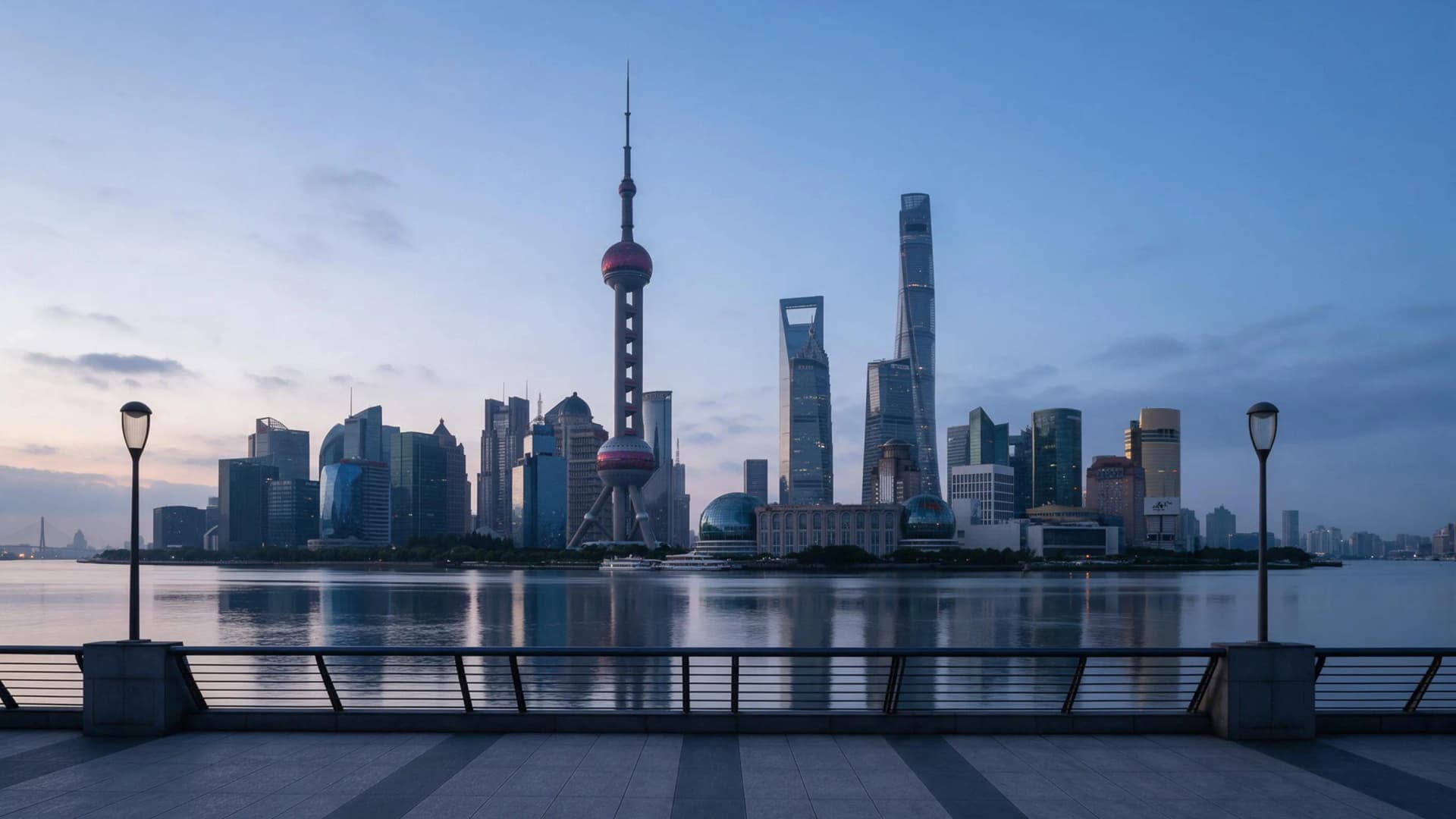
Plan your first trip to Shanghai with this warm, story-driven city guide — the Bund, Pudong's skyline, Yu Garden, the French Concession, unmissable food, and practical tips all in one place.
The skyline arrives before you do. From the window of the maglev train leaving Pudong International Airport — at 268 miles per hour, the fastest commercial rail ride on earth — Shanghai stacks itself against the clouds: the Oriental Pearl Tower, the needle-slim Shanghai Tower, and a glittering wall of glass that looks less like a city and more like a promise. It is an overwhelming first impression, and a true one. But Shanghai's genius is that it rewards every kind of traveler: the history lover, the food obsessive, the art seeker, and the one who simply wants to wander. Give it three or four days and you will leave understanding why so many visitors call it the most magnetic city in China.
Begin by learning the city's mental map. Most first-timers base themselves near People's Square, a convenient midpoint, but Shanghai is really a collection of distinct neighborhoods, each with its own personality. The historic Bund faces the futuristic Pudong skyline across the Huangpu River. The French Concession offers shaded lanes, boutiques, and cafés. The Old City hides temples and teahouses behind centuries of winding streets. Best of all, the metro — one of the largest systems in the world, with English signage throughout — makes hopping between them feel almost effortless.
Start where the postcards start: the Bund. This riverside promenade of stately 1920s bank buildings was once Shanghai's Wall Street, and at dusk it becomes one of the world's great free shows as the lights of Pudong blink on across the water. Cross over the next day and ride an elevator up the 632-meter Shanghai Tower, the second-tallest building on earth, for a view that explains better than any map how this city is still building its future at full speed.
For Shanghai before the skyscrapers, wind through the Old City to Yu Garden, a 400-year-old Ming-dynasty retreat of koi ponds, carved rockeries, and zigzag bridges. It sits beside the City God Temple bazaar, where the air smells of sesame and sugar and vendors hawk everything from jade trinkets to paper lanterns. Come early on a weekday to enjoy the garden at a wanderer's pace — and come hungry, because the surrounding lanes are a delicious, chaotic education in classic Shanghai snacks.
No itinerary feels complete without an afternoon lost in the French Concession. Beneath plane trees planted a century ago, art-deco apartments and ivy-covered villas now hide independent bookshops, vintage stores, and some of the city's best coffee. Stroll Wukang Road, wander the leafy lanes off Fuxing Road, and pause outside the former residences of writers and revolutionaries. This is a quieter Shanghai, one where the city's relentless pulse slows to a pleasant, human rhythm.
Shanghai is also a world-class cultural destination. The Shanghai Museum holds one of the finest collections of ancient bronzes and ceramics in the country, while art lovers should head west to the West Bund, a riverside stretch of contemporary galleries anchored by the stunning Tank Shanghai museum, built from repurposed aviation fuel tanks. In the evening, book tickets for the celebrated Shanghai Acrobats or catch a show at the historic Majestic Theatre — and check listings well in advance, because seats for the best performances vanish quickly.
Then there is the food, which alone is worth the trip. Shanghai's signature xiaolongbao — delicate soup dumplings that must be nibbled carefully, or they will bite back — are a rite of passage. Seek out shengjianbao, pan-fried buns with crisp golden bottoms and hot broth, from street-side windows where locals queue without hesitation. For a fuller introduction to Shanghainese home cooking, try red-braised pork, sweet-and-sour river shrimp, and scallion-oil noodles, then leave room for the sugar-dusted dessert shops that line the old lanes.
A few practical notes. The best seasons to visit are spring and autumn, when the humidity lifts and the plane-tree avenues glow. Download Alipay or WeChat Pay before you arrive, because almost everything in Shanghai — metro tickets, museum entries, market stalls — runs cashless. English signage is widespread, and travelers from many countries now qualify for China's 240-hour visa-free transit policy, which makes a Shanghai stopover remarkably easy. Still, plan ahead: marquee attractions require booking with your passport, especially during peak season.
When you are ready, one more reward awaits: Shanghai sits at the heart of the Yangtze delta, and a single day can carry you to the canal town of Zhujiajiao or, by high-speed rail, to Hangzhou's West Lake or Suzhou's classical gardens. Our ChinaMira travel designers can weave these escapes into an itinerary tuned to your pace and handle every detail — permits, tickets, and trusted local guides — so you spend your trip looking up at the skyline instead of down at your phone. Where will Shanghai take you first?
Good to know
- Best time to visit
- March-May and September-November bring mild 15-25 degrees C days and the clearest skies. Avoid Golden Week (1-7 October) and Chinese New Year, when crowds and room rates spike. June-August is hot, humid and typhoon season; December-February is cold and damp but quieter.
- Getting there
- Pudong International (PVG) sits about 30 km east of the centre; the maglev reaches Longyang Road in roughly 8 minutes for CNY 50, or CNY 40 with a same-day boarding pass, then Metro Line 2 continues onward. Hongqiao (SHA) is 30-40 minutes from the centre on Metro Lines 2 or 10.
- Tickets to budget for
- Yu Garden costs CNY 40 in peak months and CNY 30 in low season, free for children under 1.3 m, and closes Mondays. The Shanghai Museum is free but wants a timed reservation. Shanghai Tower's 118F observation deck starts around CNY 180, and Shanghai Disneyland one-day tickets run about CNY 475-799 by date.
- Getting around
- Metro fares are distance-based from about CNY 3-6, with English signage and lifts at most stations; children under 1.3 m ride free. The Huangpu commuter ferry costs CNY 2 and takes 5-10 minutes. Taxis and DiDi are metered, and Alipay or WeChat Pay covers nearly everything.
- Visa and entry
- China's 240-hour (10-day) visa-free transit covers 55 nationalities who arrive in Shanghai with a confirmed onward ticket to a third country or region. Other travellers need a tourist (L) visa, and transit visitors need at least 3 months' passport validity remaining.
- Where to base yourself
- People's Square and the Old City put Yu Garden, the Bund and Metro Lines 1, 2 and 8 within a few stops; the French Concession around Wukang Road suits slower evenings. Expect roughly CNY 500-900 a night for a good mid-range hotel, more during national holidays.
Frequently asked questions
How many days do you need in Shanghai?
Three to four days covers the essentials: the Bund and Pudong skyline, Yu Garden and the Old City, the plane-tree lanes of the French Concession, and one skyline viewpoint. Add a fifth day for a Suzhou day trip, only 25-30 minutes away by high-speed train from about CNY 40.
How do I get from Pudong Airport (PVG) to downtown Shanghai?
The maglev floats from PVG to Longyang Road in about 8 minutes and costs CNY 50, or CNY 40 if you show a same-day boarding pass; from Longyang Road, Metro Line 2 continues into the centre. A taxi to People's Square takes 45-60 minutes and roughly CNY 160-200 in normal traffic.
Do I need a visa to visit Shanghai?
Many travellers do not: China's 240-hour (10-day) visa-free transit covers 55 nationalities who arrive in Shanghai with a confirmed onward ticket to a third country or region. Everyone else needs a tourist (L) visa, so check the official eligibility list before you book flights.
What food should I try in Shanghai?
Start with xiaolongbao soup dumplings, about CNY 30-60 per person at a good local shop such as Jia Jia Tang Bao on Huanghe Road, then shengjianbao pan-fried pork buns (roughly CNY 8 for four at Yang's), scallion-oil noodles (CNY 15-25) and slow-braised hongshao rou.
When is the best time to visit Shanghai?
March-May and September-November bring mild 15-25 degrees C days and the clearest skies, ideal for the Bund and Yu Garden. Avoid Golden Week (1-7 October) and Chinese New Year, when hotel rates spike; June-August is hot, humid and typhoon-prone.