
Story
China Travel Scams in 2026: 9 Tricks Aimed at Tourists and How to Avoid Them
China is safe for most visitors, but nine tricks still catch tourists: over-friendly tea or bar invitations, fake art students, rigged taxi meters, forced-shopping tours and street ticket sellers. In 2026 the defense is simple: refuse stranger invitations, book rides and tickets in official apps, keep receipts, and call the free 12345 hotline if a bill looks wrong.
China is safe for most visitors, yet nine tricks still work: the over-friendly tea or bar invitation, the art-student gallery, rigged taxi meters, forced-shopping tours and fake tickets. The safest rule in 2026 is to accept no stranger's invitation, book only through official apps, and call 12345; Beijing's metered flag fall is CNY 13.
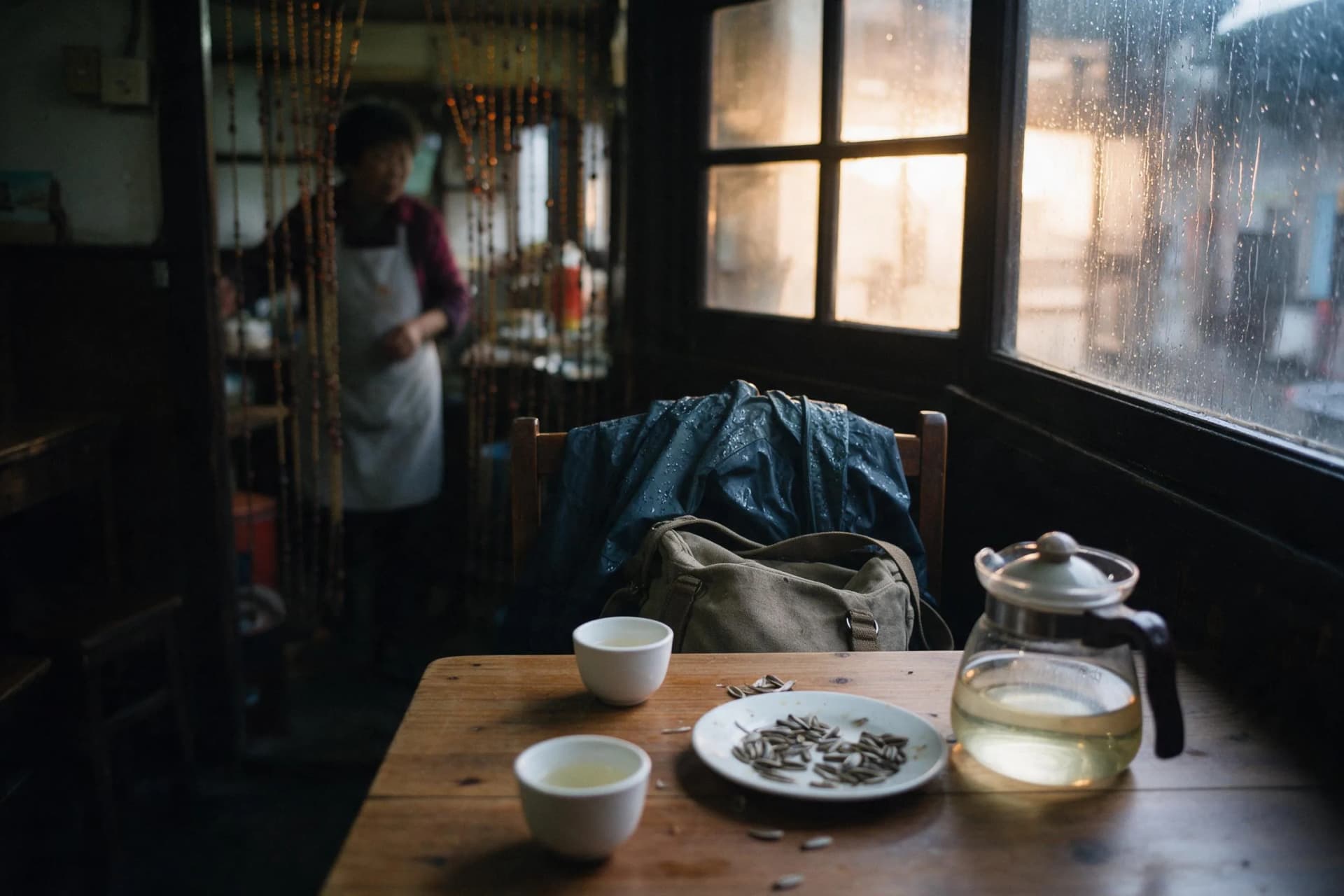
Picture a warm Saturday in late April on Nanjing Road East, the pavement still damp from a morning shower. Two women fall into step beside you, ask where you are from, and offer to practice English over tea. In 2007, three French visitors accepted a similar invitation near the Bund and were handed a bill for 7,455 yuan, about $965, after snacks and a few cups of tea; police raided the 12th-floor tea house days later and detained six people. The patter has not changed, only the prices.
The tea, bar and massage invitation remains China's most expensive hospitality scam. The UK Foreign, Commonwealth & Development Office warns that friendly strangers may invite travelers to a teahouse, bar or massage parlor and then demand a large fee, sometimes followed by threats, violence or credit card fraud. In April 2016, two Japanese students near Yuyuan Garden were charged 2,114 yuan at a Shanghai teahouse and paid 1,040 yuan; regulators fined the company 500,000 yuan, revoked its license, and police detained the main shareholder and a tout for five days. Politely decline, and never follow a stranger into a lift or an upstairs room.
The art-student gallery is the quiet cousin of the tea scam. A young man near Wangfujing says he studies painting, invites you to a small gallery, and offers a discount on his original work for charity. Beijing Daily reported that one gallery bought prints at Panjiayuan for 15 yuan each and sold one for 2,600 yuan, a markup of more than 170 times, while an Armenian professor paid 400 yuan for a print worth about 15 yuan. Real students rarely cold-call foreigners, and a genuine exhibition has an address, a catalog and a receipt.
Rigged meters and airport touts are the next trap. Beijing's published metered fare is 13 yuan for the first 3 km, then 2.3 yuan per km, plus a 1 yuan fuel surcharge, 20% extra between 11 p.m. and 5 a.m., and 50% extra beyond 15 km. Shanghai charges 14 to 16 yuan for the first 3 km and 2.7 yuan per km, with a 30% night surcharge. A flat 300 yuan quote for a 25 km airport ride is roughly five times the metered fare, so walk to the official rank or order a DiDi and keep the printed receipt, which lists the driver's license details.
Low-price tours buy customers and bill them later. Article 35 of China's Tourism Law forbids travel agencies from arranging shopping stops or extra paid items without the traveler's agreement, and the Ministry of Culture and Tourism published fresh enforcement cases in September 2026 with fines of 25,000 to 50,000 yuan, seven-day business suspensions, one revoked license and a guide's license suspended for three months. A Yibin agency charged 51 travelers just 60 yuan each for a one-day trip and recovered its money through shopping kickbacks. A four-day tour priced below one hotel night is selling your afternoon, not your holiday.
Unlicensed black guides and ticket scalpers work the crowds outside the Forbidden City and Tiananmen Square. Three were arrested in 2014 for posing as guides and overcharging foreign visitors, and the problem resurfaces whenever tickets sell out. The Palace Museum sells no same-day tickets: admission is 60 yuan from April 1 to October 31 and 40 yuan from November 1 to March 31, bookings open seven days ahead at 8 p.m. on the official WeChat mini program or bookingticket.dpm.org.cn, and your passport is your entry pass. Anyone offering a skip-the-line ticket on the street is selling a markup or nothing at all.
Two smaller tricks round out the list. Hutong rickshaw drivers have long been reported to quote a low fare and then demand a multiple of it at the end of the ride, and QR-code phishing is common enough that the UK advisory tells travelers to learn the risks: a sticker can be pasted over a merchant's code, so check the payee name on screen before you confirm. If something does go wrong, dial 12345, the free 24/7 government hotline, or 12315 for consumer complaints; Shanghai's tourism complaint line is 021-32518888, and 110 reaches the police. Save those numbers before you land, pay inside official apps, and a scam becomes a story instead of a loss.
Good to know
- Shanghai tea-house case, April 2016
- Two Japanese students were charged CNY 2,114 and paid CNY 1,040; the company was fined CNY 500,000, its license was revoked, and the main shareholder plus a tout were detained 5 days (Xinhua, April 2016)
- Art-gallery markup, Beijing
- A Panjiayuan print bought for CNY 15 sold for CNY 2,600, a markup above 170 times; one visiting professor paid CNY 400 for a print worth about CNY 15 (Beijing Daily, December 2011)
- Beijing metered taxi, 2026
- CNY 13 for the first 3 km, CNY 2.3 per km, CNY 1 fuel surcharge per trip, plus 20% from 23:00 to 05:00 and 50% beyond 15 km (Beijing municipal price standard)
- Shanghai metered taxi, 2026
- CNY 14 to 16 for the first 3 km, CNY 2.7 per km, plus 30% from 23:00 to 05:00, CNY 10 per trip at Spring Festival and CNY 5 at National Day and Labor Day (Shanghai government, September 2025)
- Forced-shopping penalties, 2026
- Tourism Law Article 35; Ministry of Culture and Tourism cases in September 2026 brought fines of CNY 25,000 to 50,000, 7-day suspensions, a revoked agency license and a guide license suspended 3 months
- Official tickets and hotlines
- Palace Museum admission CNY 60 (April 1 to October 31) or CNY 40 (November 1 to March 31), booking opens 7 days ahead at 20:00, no same-day tickets, ticket line 400-950-1925; complaints 12345 (24/7), 12315 and 110
Frequently asked questions
What is the tea house scam in China?
In the classic tea house scam, friendly strangers invite you for tea and the bill runs into thousands of yuan. In April 2016, two Japanese students near Shanghai's Yuyuan Garden were charged 2,114 yuan and paid 1,040 yuan; the teahouse was fined 500,000 yuan and lost its license, and the main shareholder and a tout were detained for five days. Decline invitations from strangers and never follow them upstairs.
How much should a taxi cost in China in 2026?
Beijing's metered taxi starts at 13 yuan for the first 3 km, then 2.3 yuan per km, plus a 1 yuan fuel surcharge, with 20% more from 11 p.m. to 5 a.m. and 50% more beyond 15 km. Shanghai starts at 14 to 16 yuan for 3 km and charges 2.7 yuan per km, with a 30% night surcharge. A 25 km airport run should cost roughly 65 yuan in Beijing, not the 300 yuan a tout may quote.
Are cheap China tours with shopping stops legal?
No. Article 35 of China's Tourism Law bars travel agencies from adding shopping stops or paid extras without your agreement. In September 2026 the Ministry of Culture and Tourism published cases with fines from 25,000 to 50,000 yuan, seven-day suspensions, a revoked agency license and a guide's license suspended for three months; one Yibin agency charged 51 travelers 60 yuan each for a one-day tour and earned shopping kickbacks.
How do I buy Forbidden City tickets without a scalper?
Buy only through the Palace Museum's official WeChat mini program or bookingticket.dpm.org.cn. No same-day tickets are sold, and booking opens seven days before your visit at 8 p.m. Beijing time; admission costs 60 yuan from April 1 to October 31 and 40 yuan from November 1 to March 31, the museum closes Mondays except statutory holidays, and you enter with the passport used to book.
What number do I call if I am scammed in China?
Dial 12345, China's free 24/7 government service hotline, for complaints about tours, taxis and shops; 12315 handles consumer rights complaints, and 110 reaches the police in an emergency. In Shanghai, the tourism complaint line is 021-32518888, and the Palace Museum's ticket line is 400-950-1925, open 08:00 to 20:00 daily. Save these numbers and keep receipts and photos as evidence.