
China Golden Week Travel: How to Plan a Crowded October Trip
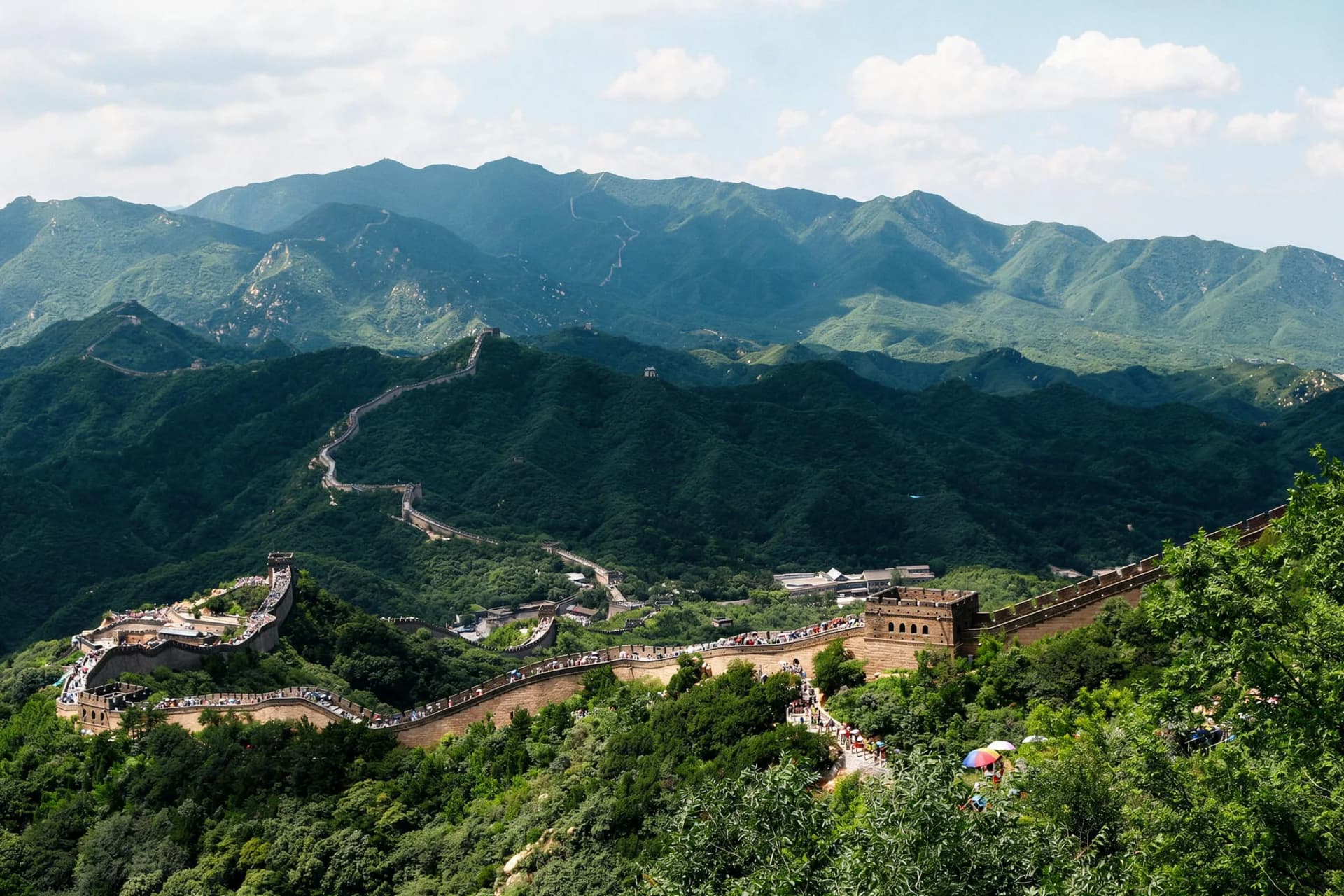
A Golden Week trip can work if you design it for the crowd instead of pretending it is a normal October week. Choose fewer cities, book the main rail legs as soon as sales open, start major sites at opening and keep a flexible day. Avoid a cross-country transfer on the first and last days of the break.
A Golden Week trip can work if you design it for the crowd instead of pretending it is a normal October week. Choose fewer cities, book the main rail legs as soon as sales open, start major sites at opening and keep a flexible day. Avoid a cross-country transfer on the first and last days of the break.
The busiest periods usually occur around the start and end of the national holiday, when people move between cities. Use early entry, timed tickets and secondary sites. A museum or neighborhood can become the better afternoon while a famous mountain remains crowded. A private guide helps by changing the order of the day, not by promising empty attractions.
Confirm the official 2027 holiday dates and adjusted working weekends first. Then choose one region and use high-speed rail rather than several domestic flights. Reserve hotels with flexible cancellation, but expect higher rates and minimum stays. Make restaurant and attraction bookings where possible and keep one indoor or weather-flexible option each day.
The official schedule is the controlling source. The break may overlap Mid-Autumn or regional events in some years. The first travel day and the return peak are often more stressful than the middle. Avoid scheduling an international flight the same day as a long rail journey; an overnight airport hotel can be cheaper than a missed connection.
Use passport-linked rail tickets and arrive early. Keep luggage manageable and avoid station transfers with a tight connection. Book a vehicle for remote sites and confirm parking and driver waiting time. Attractions may use real-name reservations, timed slots or temporary crowd controls. Keep screenshots offline in case mobile coverage or app access fails.
Families should keep one park or hotel rest block per day and avoid late nights before early departures. Older travelers need confirmed seating and toilets. Photographers should expect crowds in classic views and look for secondary angles or alternative sites. Business travelers should check supplier and office closures beyond the public holiday.
The main risks are non-refundable accommodation, sold-out transport, heat and fatigue. Avoid queueing overnight for a famous attraction without a confirmed official process. If a site is full, switch to the reserved backup rather than adding a risky road trip. Keep the international return protected and monitor official transport notices.
A local guide is most valuable when the visit depends on interpretation, reservations or access: a historic neighborhood, an active temple, a workshop, a remote trail or a food market. Ask what the guide will actually do, whether tickets and transport are included and whether the quoted language is fluent enough for detailed questions. Do not use a guide simply to bypass rules or gain private access that is not officially available. Build independent time into each day so the trip still feels like your own rather than a continuous escorted presentation.
Plan transport around door-to-door time, not map distance. Ask whether the quoted vehicle fits the luggage, whether the driver is licensed for commercial passengers and where the vehicle can stop near the entrance. Keep one realistic recovery block after a long arrival and avoid unprotected same-day connections between an international flight and a remote transfer. A paper copy of hotel names in Chinese and a screenshot of the station or airport meeting point are useful when mobile data is slow.
Separate the planning budget into transport, accommodation, tickets, food, guides and insurance, then check what is actually included. Customer-facing ChinaMira prices are shown in USD; the CNY amount used for Alipay, WeChat Pay or bank transfer appears separately at checkout or on an invoice. Do not select a supplier by headline price alone. Confirm cancellation terms, guide language, vehicle class, medical contingency and emergency support before paying through a verified company channel.
Book in a clear sequence: settle the route and season, confirm any permit or timed reservation, reserve the first hotel and transfer, then add rail or domestic flights. Keep passport details consistent and save all confirmations offline. Share mobility, dietary, prayer, allergy, child or medical requirements in writing before suppliers are reserved. Leave one unscheduled half-day after the main arrival and one buffer before departure; those gaps solve more problems than another rushed attraction.
Good to know
- Planning source
- Official State Council holiday notice
- Best structure
- One region and two or three bases
- Rail
- Book main legs at the official opening
- Arrival
- Use timed tickets and early starts
- Emergency numbers
- Police 110, ambulance 120, fire 119
Frequently asked questions
Is Golden Week a good time for a first China trip?
It can be, but expect crowds and higher prices. Use fewer bases, fixed reservations and early starts, and avoid trying to cover the whole country.
How far ahead are rail tickets available?
Sales windows vary and popular holiday trains fill quickly. Use the official railway channel once your dates are fixed.
Should I use domestic flights during Golden Week?
Use them only when rail is impractical. Flights save distance but add airport queues and weather risk, so leave a buffer.
Keep exploring
Plan with ChinaMira
Turn this into a trip
Use this guide as a starting point — we can handle the route, guides, trains and the visa invitation letter.