
Chinese Tea House Etiquette: Ordering, Pouring and Paying in 2026
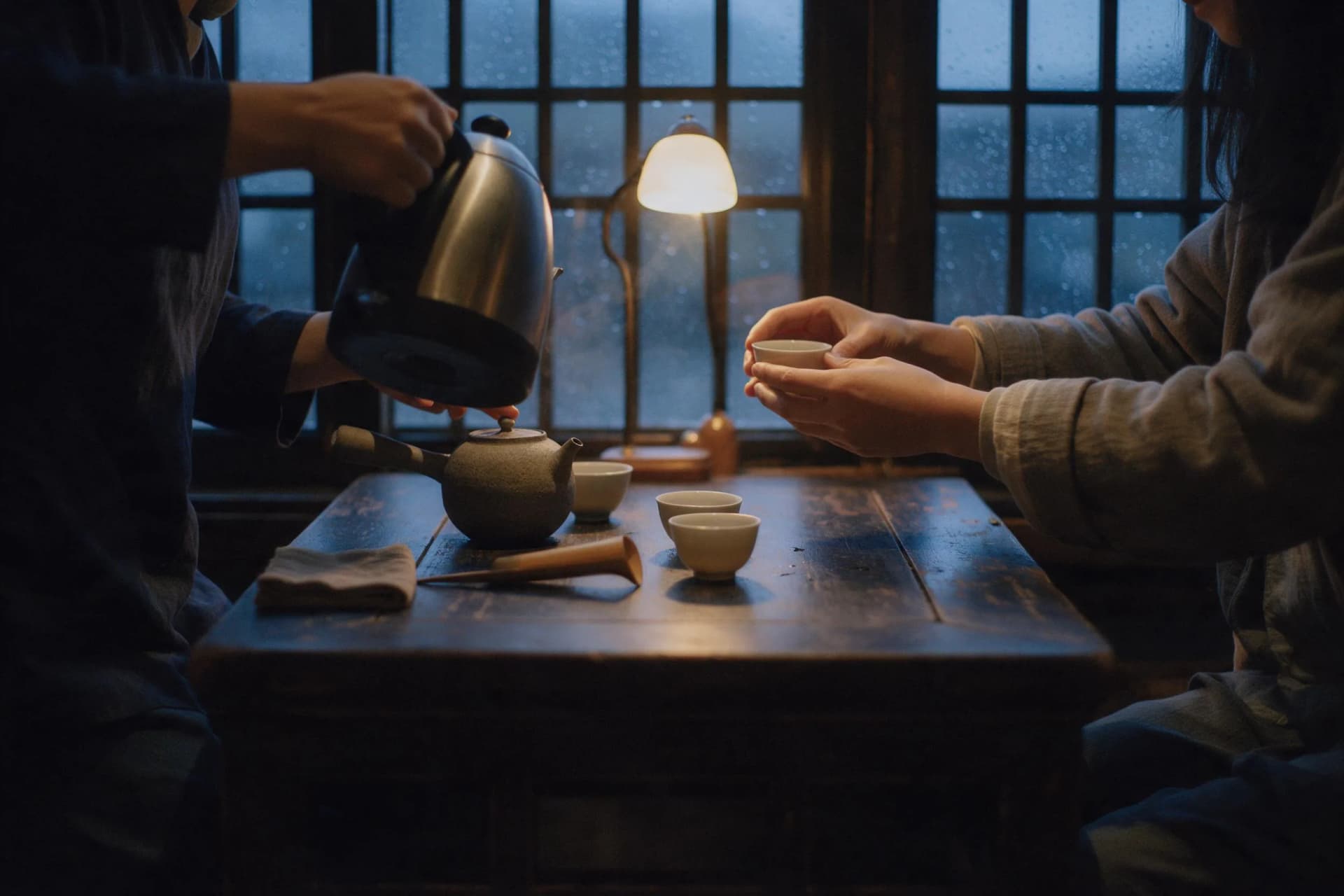
Facing a tea-house menu for the first time can feel like a test you did not study for. This 2026 guide turns the visit into four decisions: choose one to three teas, confirm pot and refill charges, follow the host's pouring rhythm, and settle the bill by QR code or cash. It covers tasting snacks, polite refusals and a $6–$35 planning range without pretending local houses follow one rulebook.
For a first visit in October 2026, treat a tea-house menu as a guided purchase: ask to smell 2–3 teas, confirm the price per pot and whether refills are included, then let the host or server pour first. Budget $6–$35 per person and check snack charges before paying.
The first decision is what kind of experience you want. A neighborhood tea shop may serve one pot for a relaxed 45–60 minutes, while a traditional tasting room with a server-guided sequence can fill 90–120 minutes. A short tourist performance is a different purchase: you may pay for staging, snacks and a keepsake rather than a long conversation about leaf and water. Look at the menu before choosing a table. If it lists tea by weight, per person or per brewing session, ask which unit applies to your group.
Use this October 2026 price range as a planning estimate, not live menu data. Simple tea houses often run $6–$18 per person for one or two everyday teas; designed tasting rooms commonly run $15–$35; elaborate ceremonies, private rooms or rare teas can exceed $40. One mid-range pot with included refills can cost less than three separate single servings: a $12 shared pot instead of three $8 orders saves $12. Confirm the unit and the total before the first pour, especially when a server recommends an upgrade.
For a party of two, start with one tea and ask for a second cup; for four to six people, two or three contrasting teas usually make a better tasting than a table full of half-finished pots. Say what you enjoy: grassy and light, roasted and nutty, floral, or deep and earthy. Smell the dry leaves, ask how many infusions the house expects from that tea, and confirm whether the quoted price includes hot-water refills. A useful phrase is “这一壶可以续水吗?” (zhè yì hú kěyǐ xùshuǐ ma?), meaning “Can this pot be refilled with water?”
Let the host, server or most senior guest set the pouring rhythm. In a commercial tea house, staff may handle everything; in a shared setting, pour for others before refilling your own cup and fill small cups to about 70–80%, not to the brim. Receive a poured cup with both hands or a relaxed nod and brief eye contact. The fingertip tap on the table is a friendly thank-you in some settings, not a required password. Keep the spout turned away from people, avoid reaching across a brewing tray, and do not lift a cup while someone is pouring into it.
In a gongfu-style tasting, the first splash may be a rinse that is discarded before the drinking infusions begin. Follow the server's cue rather than grabbing the kettle or lifting the lid to inspect the leaves. Infusions often start short, perhaps 10–30 seconds, then lengthen as the leaf opens. Slurping can help a professional taster aerate the tea, but quiet sipping is perfectly polite. Unless milk or sugar is offered, taste the tea plain first. Place the cup down gently and keep used leaves and tasting spoons on the tray, not on the tablecloth.
Snacks are a separate decision. Nuts, seeds, dried fruit, pastries and fruit plates commonly arrive as individually priced dishes, even when they look like a natural part of the table setting. Ask what is complimentary and decline or return unopened items you do not want. A small snack can reset your palate between teas; a large fruit platter can dominate the bill. If prices are unclear, point to the menu item and ask for the total before it is opened. The polite refusal “谢谢,我们先喝这壶” (xièxie, wǒmen xiān hē zhè hú) means “Thank you, we will drink this pot first.”
Paying is usually quick, but the number on the QR screen deserves a final look. Confirm whether the bill covers tea, refills, snacks, a private room or a service charge, then check that the displayed total matches the menu or a written tally. Scan the QR code through the payment app you set up before the trip, or pay at the counter if the code is ambiguous. Foreign cards linked to Alipay or WeChat Pay work in many places but not every small venue, so keep a backup payment method and some local cash. At an ordinary tea house, add no tip unless the bill or staff clearly says otherwise.
The easiest plan is to choose a venue with a readable price list, order one pot with refills and at most one snack, then decide whether to buy loose-leaf tea only after several infusions. Ask for the production date and sealed packaging if you do purchase leaves. When a host proposes an expensive rare tea, it is acceptable to say you would like to stay with the current pot. Tea-house customs vary by region and by whether you are a guest, a customer or part of a tour group, so watch the room rather than treating one ritual as a national exam. Save this sequence for your next China tea stop: check the unit, confirm the extras, let the host pour, and verify the total before you scan.
Good to know
- October 2026 price benchmark
- Plan on about $6–$35 per person for a basic or designed tea tasting; rare teas, private rooms and elaborate ceremonies can exceed $40. These are editorial planning estimates, not live menu data.
- Visit length
- Allow 45–60 minutes for one casual pot or 90–120 minutes for a guided tasting. A performance-led tourist tea visit may have a fixed 60–90 minute slot.
- Refill question
- Ask 1 question before ordering: whether the 1 pot includes hot-water refills. Refill policies vary by tea, venue and price tier.
- Pouring cue
- Let the host or server pour the first round; fill cups to roughly 70–80% and pour for others before yourself when sharing.
- Snack estimate
- Small snack plates commonly fall within a $3–$12 planning range in October 2026, but fruit platters and premium nuts can cost more. Confirm the charge before opening the dish.
- Payment check
- Before scanning 1 QR payment, match the displayed total with the menu and check for snack, room or service charges. Carry 1 backup payment method and add no routine tip.
Frequently asked questions
Do you tip at a Chinese tea house?
Usually no. At an ordinary tea house, pay the printed bill or confirmed total and do not add a discretionary tip unless the venue clearly states a service charge or you request an unusual extra service.
How much does a tea-house tasting cost in China?
For October 2026 planning, budget about $6–$18 per person at a simple tea house, $15–$35 at a designed tasting room, and more than $40 for elaborate ceremonies or rare teas. Treat these as estimates, not live menu prices.
Should I drink the first cup of tea in a gongfu service?
Sometimes not. Some hosts discard a quick first rinse before serving the drinking infusions, while others serve the first brew. Follow the server's or host's cue, and ask if you are unsure rather than moving the brewing equipment yourself.
Is slurping tea rude in China?
Not always. A short, audible slurp is used in some professional tastings to aerate the tea, but you do not need to imitate it. Quiet sipping is polite in an everyday tea house; the important cues are to receive the cup attentively and not rush the pour.
Can I pay at a Chinese tea house with a foreign card?
Often through a foreign card linked to Alipay or WeChat Pay, but support varies by venue and transaction. Keep cash or another backup method, confirm the total before scanning, and pay at the counter if the QR code or payee information is unclear.
Keep exploring
Plan with ChinaMira
Turn this into a trip
Use this guide as a starting point — we can handle the route, guides, trains and the visa invitation letter.