
Chinese Opera and Performing Arts: How to Choose a Real Show
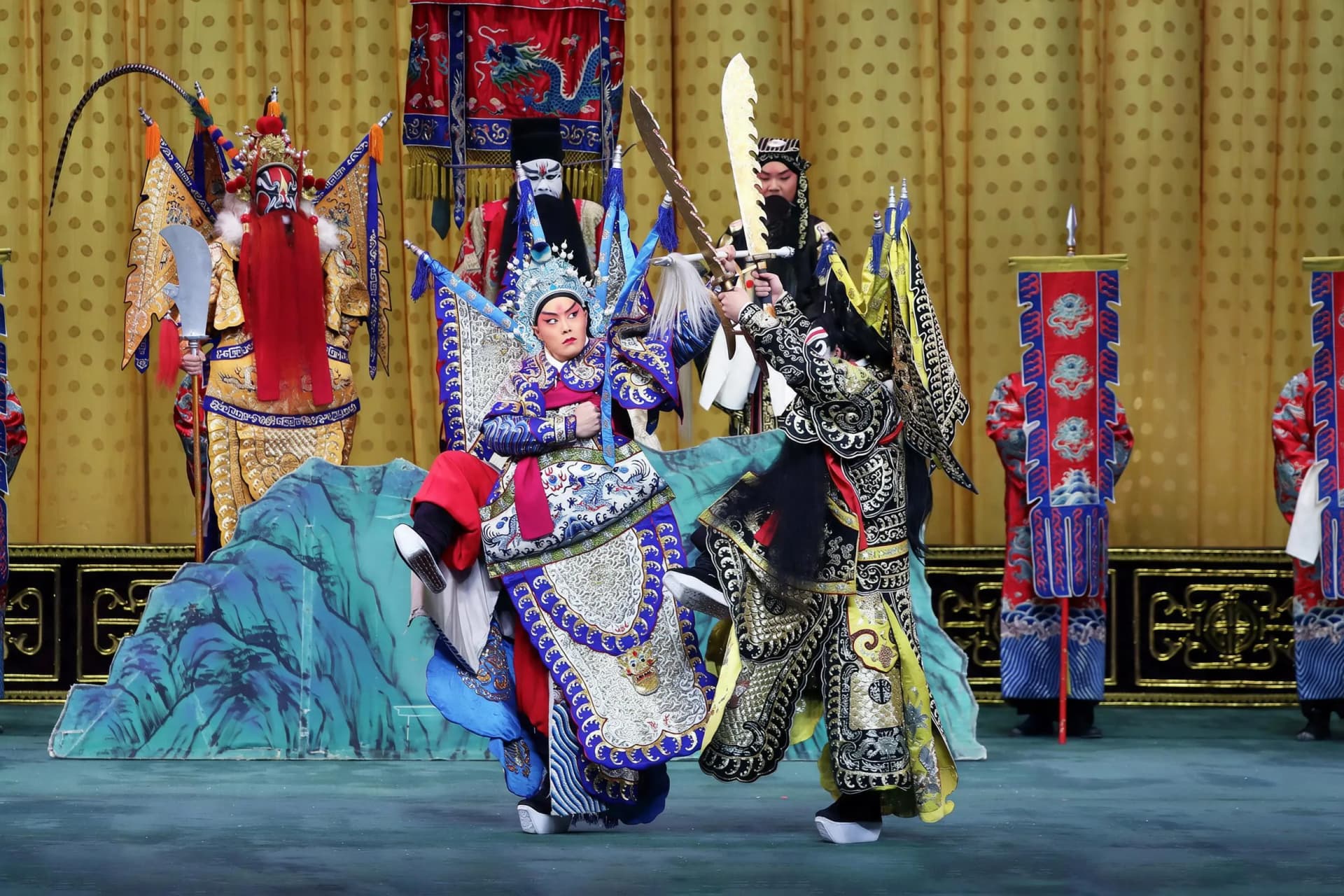
Choose a performance by art form, city and venue, not by the word “traditional” alone. Beijing opera, Kunqu, Sichuan opera, puppet theatre, acrobatics and contemporary dance are different experiences. Look for a legitimate theatre, a clear programme and a seat that allows you to follow the performance rather than a dinner-show extract.
Choose a performance by art form, city and venue, not by the word “traditional” alone. Beijing opera, Kunqu, Sichuan opera, puppet theatre, acrobatics and contemporary dance are different experiences. Look for a legitimate theatre, a clear programme and a seat that allows you to follow the performance rather than a dinner-show extract.
Face paint, movement, music and vocal style carry meaning, but a first-time audience needs a short orientation. A translated synopsis or guide helps more than a sequence of acrobatic highlights. Smaller venues can be excellent, yet they may have limited legroom and no English surtitles. Check whether photography is allowed and keep phones silent.
Pair a performance with the city's cultural context: Beijing opera in Beijing, Kunqu in Suzhou or Shanghai, Sichuan opera in Chengdu. Leave the performance night free of long transfers. If travelling with children, choose a shorter programme with visible action and a clear interval. A backstage or makeup demonstration can add value only when it respects the artists' work.
Programmes change seasonally and may be replaced by tourist extracts. Check the venue's current calendar, language support and running time. Arrive early for security and programme collection. Do not assume a performance will run every night or that a famous name guarantees the full traditional form.
Book through an official venue or a reputable agency and confirm seat numbers, ticket delivery and cancellation rules. Keep the venue address in Chinese. A private transfer helps if the show ends late, but traffic can be worse than metro. Dress comfortably and bring a light layer for air conditioning.
Opera is a living art with regional traditions, not a costume show. Avoid touching costumes or entering backstage without permission. Ask before photographing performers, especially during makeup or preparation. Whispers and phone screens distract other audience members. If the form is unfamiliar, read a short synopsis in advance and allow yourself to follow emotion, rhythm and gesture.
The biggest risks are a misleading “traditional show” composed mainly of tourist acrobatics, late-night transport confusion and inaccessible seating. Check the programme and venue directly. If a performance is cancelled, request the official refund process rather than accepting an informal transfer.
A local guide is most valuable when the visit depends on interpretation, reservations or access: a historic neighborhood, an active temple, a workshop, a remote trail or a food market. Ask what the guide will actually do, whether tickets and transport are included and whether the quoted language is fluent enough for detailed questions. Do not use a guide simply to bypass rules or gain private access that is not officially available. Build independent time into each day so the trip still feels like your own rather than a continuous escorted presentation.
Plan transport around door-to-door time, not map distance. Ask whether the quoted vehicle fits the luggage, whether the driver is licensed for commercial passengers and where the vehicle can stop near the entrance. Keep one realistic recovery block after a long arrival and avoid unprotected same-day connections between an international flight and a remote transfer. A paper copy of hotel names in Chinese and a screenshot of the station or airport meeting point are useful when mobile data is slow.
Separate the planning budget into transport, accommodation, tickets, food, guides and insurance, then check what is actually included. Customer-facing ChinaMira prices are shown in USD; the CNY amount used for Alipay, WeChat Pay or bank transfer appears separately at checkout or on an invoice. Do not select a supplier by headline price alone. Confirm cancellation terms, guide language, vehicle class, medical contingency and emergency support before paying through a verified company channel.
Book in a clear sequence: settle the route and season, confirm any permit or timed reservation, reserve the first hotel and transfer, then add rail or domestic flights. Keep passport details consistent and save all confirmations offline. Share mobility, dietary, prayer, allergy, child or medical requirements in writing before suppliers are reserved. Leave one unscheduled half-day after the main arrival and one buffer before departure; those gaps solve more problems than another rushed attraction.
Good to know
- Suggested lead time
- Book 1-3 weeks ahead for major venues
- Best pairing
- Choose the regional art form of the city
- Language
- Confirm subtitles or a translated synopsis
- Etiquette
- Silence phones and follow photography rules
- Emergency numbers
- Police 110, ambulance 120, fire 119
Frequently asked questions
Which Chinese opera should a first-timer see?
Choose the form linked to the city and check whether the performance is a full production, an extract or a tourist variety show. Beijing opera and Kunqu are different traditions.
Do shows have English subtitles?
Some major venues provide subtitles or a synopsis, but it varies. Confirm before booking or prepare a plot summary.
Can I take photographs?
Follow the venue and performance rules. Photography is often restricted during the show, and flash should not be used.
Keep exploring
Plan with ChinaMira
Turn this into a trip
Use this guide as a starting point — we can handle the route, guides, trains and the visa invitation letter.