
What Gets a China Visa Application Photo Rejected in 2026?
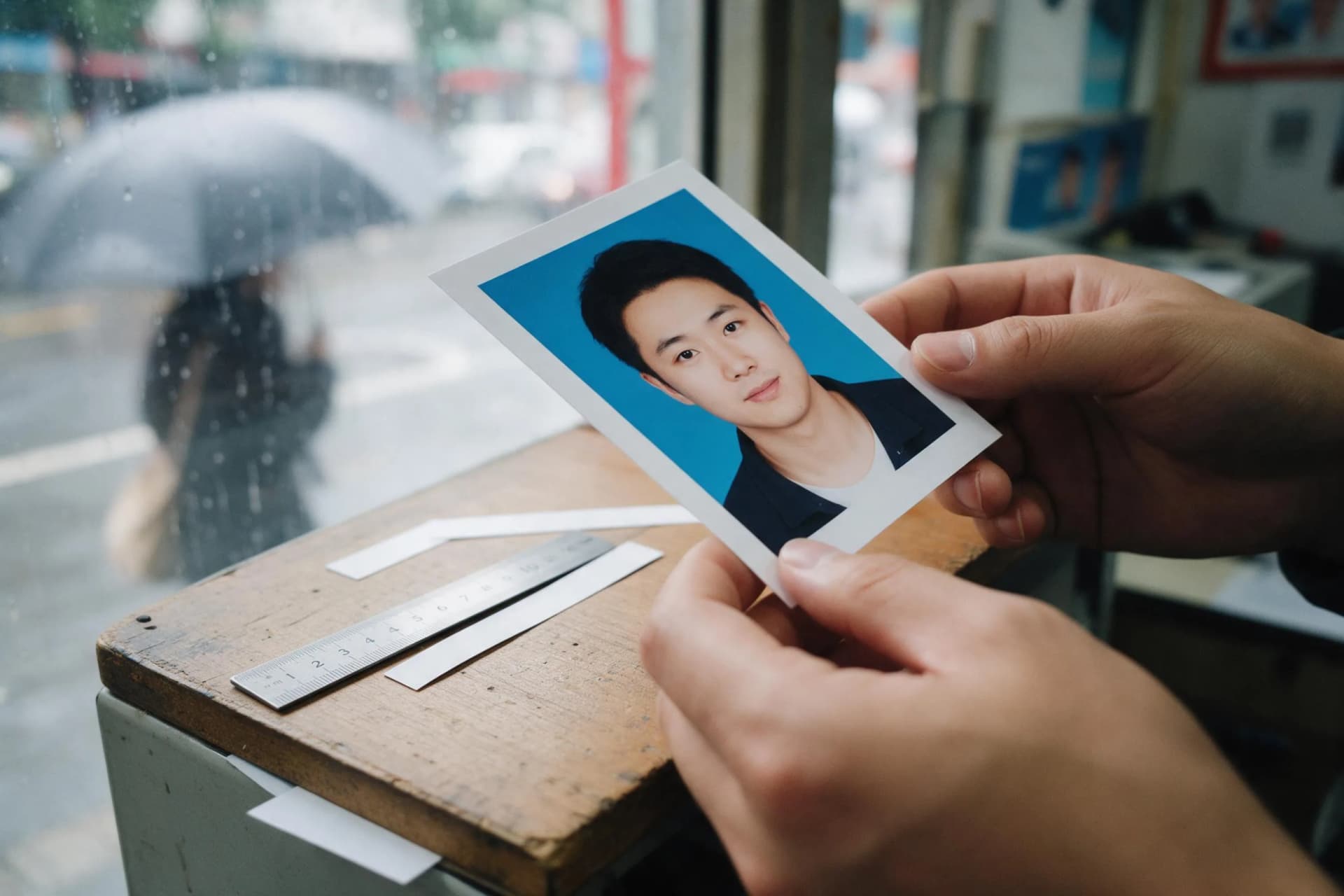
In China 2026, most visa application photo refusals trace to a wrong 33 × 48 mm crop, a portrait older than six months, a shaded or off-white background, filter retouching or a failed upload. This guide turns China visa application photo requirements into a practical pre-submission test for print size, file limits, arrival routes and clean backups.
China visa application photo requirements in 2026 trip up ordinary portraits most often: the 33 × 48 mm print size is missed, the background is shaded or off-white, or a filter alters the face. Treat the photo as a 5-point compliance check before risking about US$185 on an application.
Picture the final document check. A folder opens and a sharp, flattering portrait is set aside because one shoulder sits in a gray shadow or the chin-to-crown measurement is 2 mm short. That small error is rarely a finding that the traveler is ineligible. It is an intake problem that stops an application from moving forward until a new image is supplied. Washington, D.C. applicants can compare their photo with the Chinese Embassy's official visa notice; the embassy or visa center handling the case, not the photo shop's label, has the final say.
Five common rejection points - Wrong canvas: China asks for 33 × 48 mm; a US 2 × 2 inch passport photo or a Schengen 35 × 45 mm image is not the same crop. - Wrong face scale: the head should measure 15–22 mm across and 28–33 mm from chin to crown. - Old portrait: use a photo taken within the previous 6 months, not a favorite image from an earlier trip. - Unsuitable background: a plain white backdrop must be continuous and free of doors, curtains, shadows or color casts. - Editing or upload failure: filters, facial reshaping, over-smoothing and a JPEG outside the portal's limits can all stop submission.
Start with a new portrait, not a crop The fastest route is to ask for a China visa photo, then check the ruler marks yourself. Stand square to the camera with eyes open and a relaxed, closed-mouth expression. A neutral photo is not a sour one; it simply exposes the face clearly, without a tilted head or an exaggerated smile that changes the jawline. Some local checklists ask applicants to remove eyeglasses. Follow yours; if glasses are permitted, keep them only when the frames do not hide the eyes and no reflection crosses the lenses. Remove a hat or scarf from the face unless the covering is worn for religious or medical reasons; even then, the full face must remain visible.
Light the person, not the wall Even lighting matters more than a premium camera. Face a large window or a soft studio light at eye level so both cheeks receive similar brightness. A phone flash aimed straight on can flatten the nose and make the white wall look gray; a bright wall behind the person can create a dark outline around the ears. Keep natural skin texture and a neutral color balance. Do not whiten teeth, erase a scar, narrow the jaw or smooth pores for the visa file. The portrait should identify you on arrival, not match a polished social-media profile.
Measure the print and the file A portrait can pass on screen and fail in hand. At pickup, lay the print on a flat counter and measure 33 mm by 48 mm overall. Check the 15–22 mm face width and 28–33 mm head height with the same ruler, then look for bent corners, fingerprints, a crease or a crop line. Keep one clean print in the application folder and one untouched backup; do not staple, tape or write on either. For the online form, export a JPEG at 354 × 472 pixels and aim for the portal's 40–120 KB range. Screenshots and chat-app recompression can change the dimensions, so upload the original file.
A rejection is not always a visa denial A photo that fails the formal check can halt the intake process, send the applicant back for another print or delay an appointment; it does not automatically decide the visa outcome. That distinction matters when flights are already booked. In 2026, a standard US applicant budget is about US$185 in visa and service fees, with routine processing often quoted at 4 business days. Recheck the exact amount and timing with the office handling your jurisdiction. An honest sizing mistake is one thing; a false identity or an image edited to obscure biometric features is treated much more seriously.
Check whether you need the photo at all Travelers using an eligible 240-hour visa-free transit route do not submit a China visa application photo, though they still need a passport and a qualifying onward journey. Ordinary tourism that falls outside the waiver generally requires a visa and therefore the full photo check. Decide the route before paying for a photo package. If a standard visa is necessary, review the image at least 24 hours before the appointment, alongside passport validity, blank pages and invitation documents. Do not let a US$185 application hinge on a print you never measured.
Before you click submit, put the photo through a 60-second test: measure the printed image, view the digital file at 100%, check the six-month age against your calendar and compare the white background with a sheet of plain paper. If any answer is uncertain, retake the photo now. Then open our China visa planning guide to confirm the route, passport pages and appointment documents that travel with it.
Good to know
- Photo standard checked November 25, 2026
- Use a portrait taken within 6 months, with a plain white background and a finished print measuring 33 × 48 mm.
- Face measurements
- Within the 33 × 48 mm print, the face should be 15–22 mm wide and the chin-to-crown head height 28–33 mm.
- Digital upload
- The online form commonly requests a 354 × 472 pixel JPEG in a 40–120 KB file; confirm the current limit on your local application portal.
- US application budget, November 2026
- About US$185 in visa and service fees, with routine processing often quoted at 4 business days; only travelers who need a visa submit the photo.
- Submission packet
- Carry 1 measured print plus 1 clean backup, neither creased, stapled, taped nor marked, when the appointment notice asks for printed photos.
- Visa-free transit condition
- Eligible 240-hour transit allows up to 10 days and requires onward travel to a different country or region; no visa photo is submitted for that route.
Frequently asked questions
Can I reuse a US passport photo for a China visa?
No. A standard US passport image is 2 × 2 inches, while the China visa print is 33 × 48 mm with different face measurements. A correct file must also meet the upload portal's 354 × 472 pixel and 40–120 KB limits.
How recent must a China visa application photo be?
Use an image taken within the previous six months. If your appearance has changed through surgery, substantial weight change, a new hairstyle or age, take a new portrait even if the old photo was taken fewer than six months ago.
Can I smooth skin or change the background in a visa photo?
Do not use beauty filters, facial reshaping or background replacement that changes your appearance. Basic brightness correction may still shift skin tone and background, so retake the image in even light instead. It should show a natural, recognizable likeness for identity checks.
Do I still need printed photos if I upload one online?
The online form may accept a digital image, but the appointment notice and local center checklist decide whether you must bring prints. Bring one correctly measured print and one clean backup unless your notice says otherwise, and confirm locally before your appointment.
Does a rejected photo cancel my entire China visa application?
Usually no. A sizing, file or background problem is an intake issue that can require a replacement photo or delay processing; it is not the same as being found ineligible. Misleading edits or a photo that is not genuinely yours can create a more serious identity problem.
Keep exploring
Sources & verification
Sources used for this guide
Time-sensitive travel details can change. Reconfirm opening hours, prices and entry rules before departure.
- 1us.china-embassy.gov.cnus.china-embassy.gov.cn
- 2visaforchina.cnvisaforchina.cn
- 3en.nia.gov.cnen.nia.gov.cn
- 4english.www.gov.cnenglish.www.gov.cn
Local operating context
ChinaMira Travel Team contributes local route and operating knowledge from China. This team byline identifies a real operating group rather than a fictional individual author.
Plan this trip
Turn this guide into a practical itinerary
Send us the article as context. A ChinaMira specialist can check the route, dates, transport, tickets and the details that need local confirmation.