
UK, Australia and NZ Travelers: A 14-Day China Outdoor Route
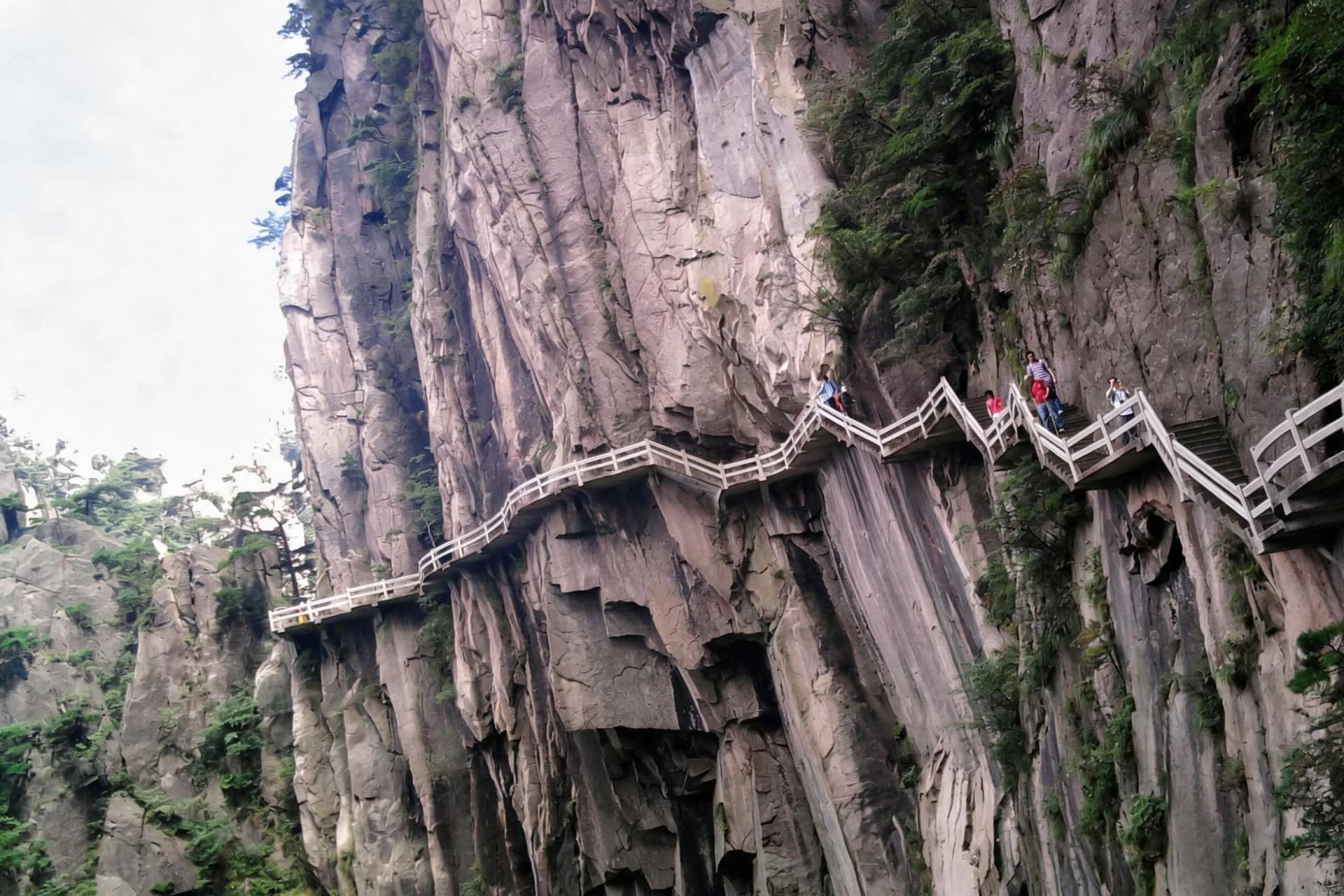
Outdoor travelers from the UK, Australia and New Zealand should choose one mountain region and one culture city rather than trying to hike across China. A 14-day route can combine Beijing and the Great Wall with Zhangjiajie or Huangshan, then finish in Shanghai. Verify weather, trail status and evacuation insurance.
Outdoor travelers from the UK, Australia and New Zealand should choose one mountain region and one culture city rather than trying to hike across China. A 14-day route can combine Beijing and the Great Wall with Zhangjiajie or Huangshan, then finish in Shanghai. Verify weather, trail status and evacuation insurance.
China's outdoor highlights are often managed scenic areas rather than wilderness trails. Cableways, shuttle buses and timed reservations can change the route. A hike may mean thousands of stone steps, crowds and limited bail-out points. Read the official route description and ask whether the planned distance includes vertical gain and waiting time.
Use four nights in Beijing, four in the mountain region and four in Shanghai, plus buffers. Great Wall hiking and a Zhangjiajie or Huangshan route should not be back-to-back. Choose one strenuous day, one easier scenic day and one weather buffer. A guide is valuable for transfers and route judgement, not just facts.
Spring and autumn are usually best, but rain, fog, snow and heat can change mountain access. Check official park notices and cableway maintenance. Do not assume a famous viewpoint is visible; cloud can close the reason for the trip. Keep the international return after a buffer day.
Bring broken-in waterproof shoes, layers, sun protection and a headlamp. Confirm that the hotel can store luggage during a mountain night. Travel insurance must cover hiking, altitude if relevant, rescue and evacuation. Keep the group size small and share the route with a responsible person.
Scenic areas are shared with families and tour groups. Follow barriers, do not shortcut trails and do not fly drones where prohibited. At village stays, ask before photographing homes or farms. Pack out waste and avoid feeding wildlife. The best outdoor experience respects local work and land management.
The main risks are underestimating stairs, queues, weather and the distance between gates and trails. Do not rely on a map alone. If a cableway closes, use the official alternative or cancel the day. Never continue into a closed route to salvage a schedule.
A local guide is most valuable when the visit depends on interpretation, reservations or access: a historic neighborhood, an active temple, a workshop, a remote trail or a food market. Ask what the guide will actually do, whether tickets and transport are included and whether the quoted language is fluent enough for detailed questions. Do not use a guide simply to bypass rules or gain private access that is not officially available. Build independent time into each day so the trip still feels like your own rather than a continuous escorted presentation.
Plan transport around door-to-door time, not map distance. Ask whether the quoted vehicle fits the luggage, whether the driver is licensed for commercial passengers and where the vehicle can stop near the entrance. Keep one realistic recovery block after a long arrival and avoid unprotected same-day connections between an international flight and a remote transfer. A paper copy of hotel names in Chinese and a screenshot of the station or airport meeting point are useful when mobile data is slow.
Separate the planning budget into transport, accommodation, tickets, food, guides and insurance, then check what is actually included. Customer-facing ChinaMira prices are shown in USD; the CNY amount used for Alipay, WeChat Pay or bank transfer appears separately at checkout or on an invoice. Do not select a supplier by headline price alone. Confirm cancellation terms, guide language, vehicle class, medical contingency and emergency support before paying through a verified company channel.
Book in a clear sequence: settle the route and season, confirm any permit or timed reservation, reserve the first hotel and transfer, then add rail or domestic flights. Keep passport details consistent and save all confirmations offline. Share mobility, dietary, prayer, allergy, child or medical requirements in writing before suppliers are reserved. Leave one unscheduled half-day after the main arrival and one buffer before departure; those gaps solve more problems than another rushed attraction.
Good to know
- Suggested length
- 14 days with three bases
- Route
- Beijing, one mountain region and Shanghai
- Weather buffer
- At least one full flexible day
- Insurance
- Confirm hiking and evacuation coverage
- Emergency numbers
- Police 110, ambulance 120, fire 119
Frequently asked questions
Is China good for independent hiking?
Some managed trails are straightforward, but access, signage and weather vary. Verify official routes and use a local guide for remote or exposed sections.
Which mountain should I choose?
Zhangjiajie is dramatic but complex; Huangshan is steep and weather-dependent. Choose one and give it at least three nights including a buffer.
What insurance do I need?
Check hiking, altitude, rescue and evacuation coverage. Many standard policies exclude the activity or the way it was actually performed.
Keep exploring
Plan with ChinaMira
Turn this into a trip
Use this guide as a starting point — we can handle the route, guides, trains and the visa invitation letter.