
Who Qualifies for China’s 240-Hour Visa-Free Transit in 2026? 3-Day Costs
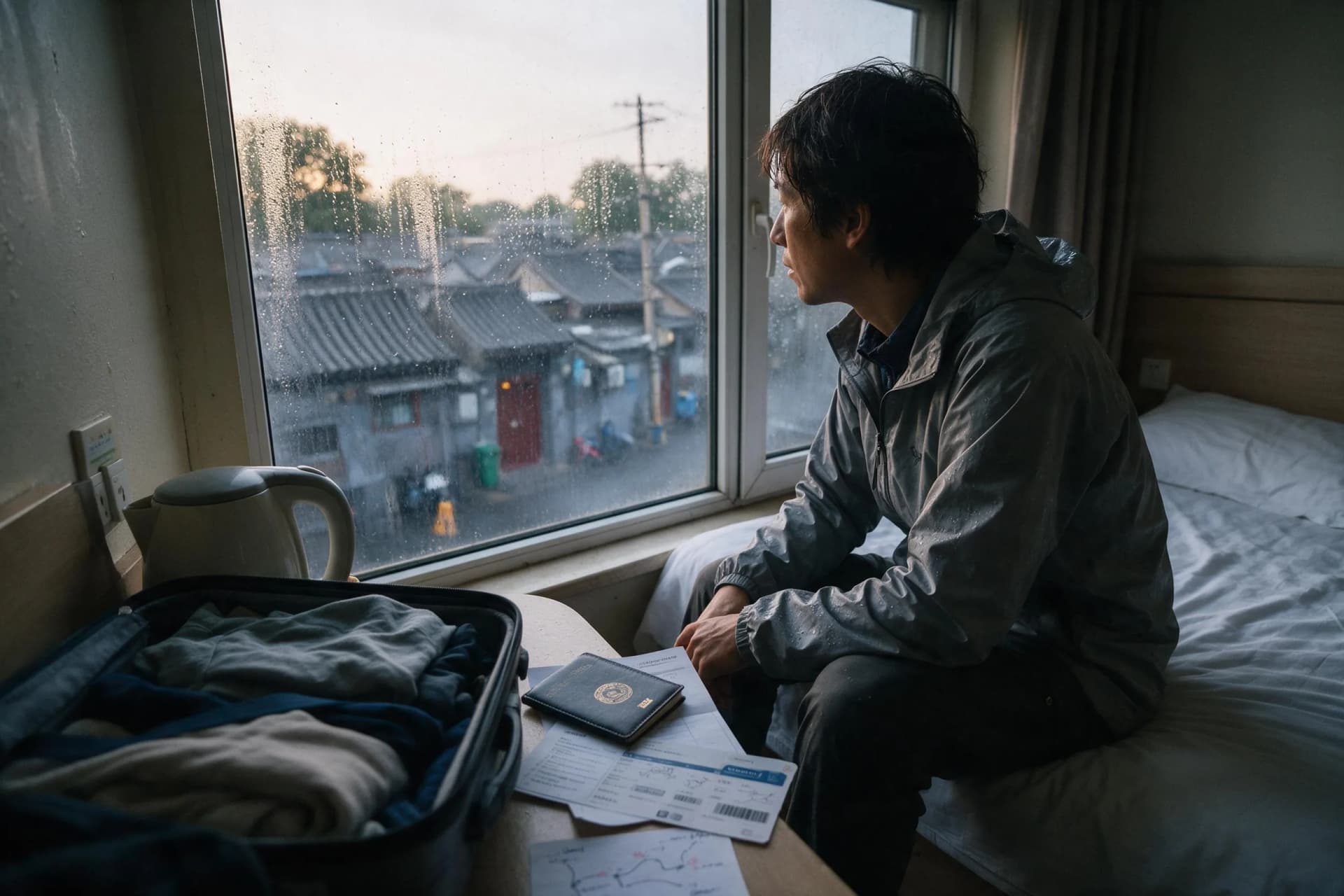
China’s 240-hour visa-free transit is a route-based waiver, not a general US visa exemption. Eligible travelers save the $185 visa fee only when they fly from one country through China to a different country within 240 hours. This 2026 guide checks the conditions, then prices three Beijing days at $346 lean, $1,010 mid-range and $2,760 premium, including guide day rates and booking risks.
Yes—if you hold one of 55 eligible passports and travel from one country through China to a different country within 240 hours, the visa fee is $0. Our October 31, 2026, Beijing sample puts three days at about $346 lean, $1,010 mid-range or $2,760 premium per person, excluding international airfare.
Picture a traveler booked from Tokyo to Bangkok who spots a three-day opening in Beijing. The journey Tokyo–Beijing–Bangkok can satisfy the transit route; Tokyo–Beijing–Tokyo usually cannot. That difference matters because an eligible US applicant avoids a tourist-visa estimate of $185, while a traveler who simply wants a normal round-trip holiday still needs the visa. The waiver is therefore a useful fit for an Asia trip already crossing China, not a permanent shortcut for every visitor.
Run this eligibility check using the rule current on October 31, 2026: - **Passport:** you hold citizenship in one of 55 listed countries, including the United States, United Kingdom, Canada, Australia and Schengen states. - **Route:** you arrive in mainland China from another country or region and depart to a different country or eligible region, not back to your starting point. - **Time:** your confirmed onward booking leaves within 240 hours, equal to 10 days. - **Port and area:** you enter and exit through an approved transit port and remain inside the area authorized at inspection. - **Purpose:** tourism, visiting family or friends, business and transit are allowed; employment, study and news reporting are not. - **Documents:** carry your passport and a confirmed onward air, rail or sea booking. Immigration officers make the final decision.
The time boundary deserves more attention than the headline number. The permitted stay is generally calculated from 00:00 on the day after entry, so compare your actual arrival and departure clocks with the admission notice rather than counting 240 hours from the aircraft door. A delayed flight does not automatically extend the permission. Three Beijing days fit comfortably, but a side trip to Shanghai or another city belongs only inside the area endorsed for your itinerary. Ask immigration to explain the permitted area on arrival, and do not assume that a hotel booking in another province proves access.
These late-October 2026 planning bands describe one person paying for one private room in Beijing. They are estimates based on typical seasonal demand, not live or official quotes. - **Hotel, per night:** $70–$90 lean, $160–$220 mid-range, $350–$500 premium. - **Food, per day:** $30–$42 lean, $65–$85 mid-range, $150–$220 premium. - **Tickets, per day:** $12–$22 lean, $25–$45 mid-range, $55–$90 premium. - **Local transport, per day:** $8–$15 lean, $25–$40 mid-range, $75–$110 premium. - **Guide:** $25–$45 for a shared walking tour, $170–$240 for a private English-speaking guide day, or $380–$550 for a specialist guide with vehicle.
Here is the arithmetic for a three-day, two-night sample using a fixed set of line items: | Tier | Hotel, 2 nights | Food, 3 days | Tickets | Local transport | Guide | Total | | --- | ---: | ---: | ---: | ---: | ---: | ---: | | Lean | $160 | $105 | $45 | $36 | $0 | **$346** | | Mid-range | $380 | $225 | $90 | $105 | $210 | **$1,010** | | Premium | $840 | $540 | $150 | $270 | $960 | **$2,760** | The lean plan uses metro rides, inexpensive local meals and self-guided sightseeing. The mid-range plan has one private guide day; premium includes two guide-and-vehicle days. Each total includes the $0 transit fee, but excludes international airfare, travel insurance, alcohol and shopping.
Compare the waiver with the whole journey, not only the visa line. A US applicant who already has the qualifying through-route saves about $185. If changing flights to create that route adds $240, the trip costs about $55 more than taking the separate visa route, before schedule inconvenience. If the airfare difference is smaller, the waiver still wins on entry cost. Price both itineraries on the same dates, then keep a refundable hotel until the onward booking and permitted area are clear.
For the Beijing sample, reserve the Palace Museum early, plan around its Monday closure and treat its seven-day ticket release at 8 p.m. Beijing time as a fixed booking deadline. Carry the passport used for the attraction booking and rail reservation. Before departure, write your route as “Country A → mainland China → Country C,” save the onward ticket offline, confirm both ports and keep the hotel address available at inspection. Start with the [240-hour transit route guide](/china-240-hour-visa-free-transit), then use the [China arrival card guide](/china-arrival-card), [Beijing airport transfer costs](/beijing-airport-to-city) and [foreign-guest hotel checklist](/china-hotel-booking-for-foreigners). If the route fails, budget the $185 visa rather than pretending the waiver applies.
Good to know
- Eligibility checked October 31, 2026
- 55 eligible nationalities, including the US, UK, Canada and Australia; a confirmed onward booking within 240 hours to a different country or eligible region; approved-port entry; and travel only inside the authorized area.
- Entry fee and stay
- $0 transit fee, up to 240 hours or 10 days, generally calculated from 00:00 on the day after entry; a round trip from Country A back to Country A does not qualify.
- Three-day Beijing sample
- Two nights and three days for one traveler: $346 lean, $1,010 mid-range or $2,760 premium, checked October 31, 2026; excludes international airfare, insurance and shopping.
- Hotel and food bands
- Late-October 2026 estimates per person: hotels $70–$500 per night and food $30–$220 per day across lean, mid-range and premium tiers; room rates are planning estimates, not live quotes.
- Guide day rates
- Shared walking tour $25–$45; private English-speaking guide $170–$240 per day; specialist guide with vehicle $380–$550 per day, checked October 31, 2026.
- Cost of a failed route
- A US tourist-visa estimate of $185 replaces the $0 waiver; if rerouting adds $240 in airfare, the transit plan is about $55 more expensive before other costs.
Frequently asked questions
Can US citizens use China’s 240-hour visa-free transit in 2026?
Yes, when the US passport holder arrives at an approved Chinese port from another country and has a confirmed onward booking to a different country or eligible region within 240 hours. A normal round trip back to the United States does not satisfy that route condition.
What proof do I need for the China 240-hour transit waiver?
Carry a passport from one of the 55 eligible countries and a confirmed air, rail or sea booking showing your name, departure time and destination outside mainland China. Save a printed copy and an offline copy, and be ready to explain where you will stay and which area you plan to visit.
How much does a three-day China transit trip cost in 2026?
Our October 31, 2026, Beijing planning sample for one traveler and two hotel nights totals about $346 lean, $1,010 mid-range or $2,760 premium. International airfare, insurance and shopping sit outside those totals, and the transit visa fee itself is $0 when every condition is met.
Can I leave Beijing during a 240-hour transit stop?
Only within the area authorized on your arrival record and confirmed by immigration. A Beijing entry may connect with a broader permitted area, but the exact scope depends on the entry port and current rule. Ask officers to clarify it before taking an intercity train or booking a hotel in another province.
What happens if my onward flight is delayed beyond 240 hours?
A delay does not create an automatic extension of the transit permission. Contact immigration and your carrier before the permitted stay expires, keep written evidence of the disruption, and follow official instructions. This is why a three-day plan with several days of buffer is safer than using the full ten-day limit.
Keep exploring
Plan with ChinaMira
Turn this into a trip
Use this guide as a starting point — we can handle the route, guides, trains and the visa invitation letter.