
City Guide
Chengdu Photography Spots 2026: 6 Light Windows and Viewpoints
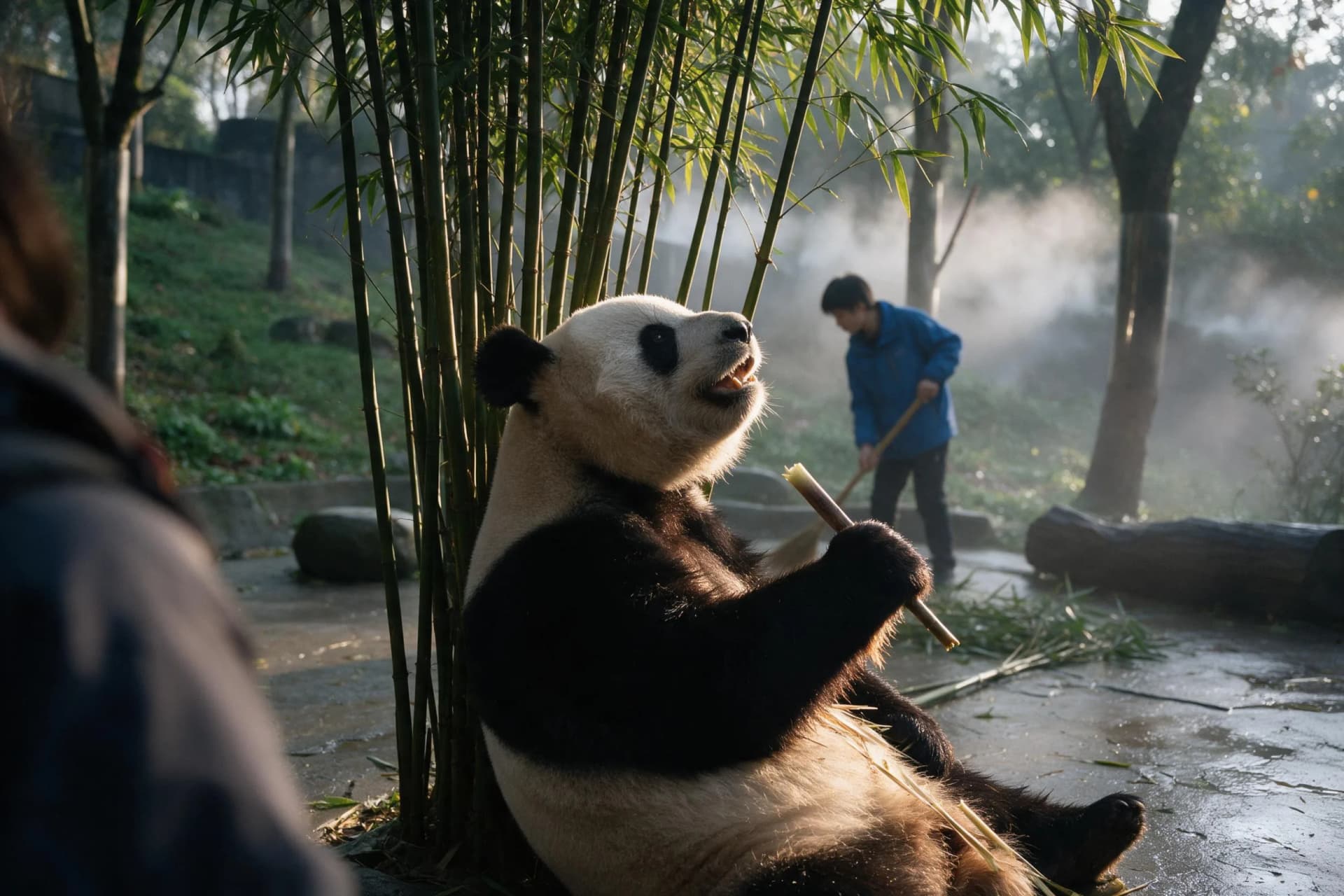
Chengdu's light is a flat, humid basin sky that drains color into soft gray, and pandas only move when the air is cool — so the day splits cleanly: pandas at first light, gray-brick lanes mid-morning, river blue hour and lantern streets after dark. Here are six Chengdu photography spots with the exact light window, viewpoint, ticket and settings for each.
Six Chengdu spots, one rule: shoot pandas before 09:30 and the city after 18:00. The Giant Panda Base opens at 07:30 with a CNY 55 ticket you must pre-book by passport, and that first hour is the only reliable window for active pandas; everywhere else, the last two hours of daylight do the work.
Why Chengdu's light behaves the way it does. The city sits in the Sichuan Basin under a lid of humid air that flattens contrast and turns the whole sky into one enormous softbox. It is dead flat at midday and flattering at the edges of the day, when light arrives at a low angle and the haze strips out the glare. In late October, sunrise lands around 07:00 and sunset around 18:20, with blue hour running about 18:50–19:20. In winter both ends move earlier, and the basin fog photographers grumble about is the same fog that gives grey brick, wet stone and panda fur their texture.
The pandas, at first light. Be at the Giant Panda Base gate before it opens and walk straight to the outdoor yards and nursery enclosures, where keepers put out bamboo and fruit. Pandas feed hard for the first couple of hours and then nap for most of the day, so a late arrival means a photograph of a panda-shaped rock. Book the ticket in advance on the base's official WeChat mini-program, one passport per person, and check the day's hours there too — the winter gate opens later than the summer one, and the last-entry cutoff in the afternoon comes sooner than most visitors expect. Tour groups arrive from mid-morning, so Tuesday to Friday beats any weekend. Settings: 70–200mm, f/4, 1/500s, ISO 1600, continuous AF locked on the eyes; on a phone, switch to the 2x lens, tap-focus on the face and hold the shutter down in burst.
Kuanzhai Alley and the old lanes, before the shutters go up. Chengdu's grey-brick courtyard lanes are at their best in the first hour of daylight, when stallholders are still laying out produce and the sun rakes along the walls. Stand at the western end of Wide Alley for the carved gateways, then shoot down the lanes so tiles, hanging gourds and door gods layer up into depth. By mid-morning the same lane is shoulder to shoulder; after dark it is lantern-lit but packed. Settings: 35mm, f/2.8, 1/125s, ISO 400, with a slight downward tilt to keep the rooflines straight.
Blue hour on the Jinjiang, and lanterns at Jinli. Both are free, both stay open late, and together they close out a shooting day. Cross to the eastern bank by Anshun Bridge about twenty minutes after sunset, when the lamps are on but the sky still holds color and the river carries a clean reflection; after rain the paving doubles as a mirror. Then walk Jinli's lane once the lanterns are lit, around 19:30, and use the covered bridge and the pond corners to stack red light against dark wood. Settings: phone night mode braced on a wall, 3s; a camera on a pocket tripod, f/8, 4s, ISO 200.
Du Fu Thatched Cottage, late autumn. This is Chengdu's ginkgo frame — gold leaves over a white-walled courtyard and a long red wall — and it works best in the last two hours of daylight, when the light is warm and low. The ticket is CNY 60 and the grounds run 08:00–18:30 in the long-day season. Be precise about that closing time: the gate shuts, staff clear the garden, and you cannot stay inside after last entry, so treat the final hour as your window and walk out with the crowd rather than after it.
Mount Emei, if you want altitude. The Golden Summit sits at 3,077 m, and the sea of clouds below it is the reason photographers take a train out of the basin. C-series intercity EMUs from Chengdu East or Chengdu South reach Emeishan station in roughly 65–80 minutes, second class about CNY 65, and the scenic-area ticket is CNY 160 before the shuttle bus and cableway. Those are the 2026 season figures — confirm them against the live 12306 timetable and the mountain's own notices for your dates, because departures and cableway hours shift with the season. For summit sunrise you will almost certainly have to sleep on the mountain; day-trippers get the afternoon cloud and must be down before the last cableway.
Getting to the spots, and what to carry. Metro Line 3 runs to Panda Avenue and the base shuttle covers the last stretch; a taxi from the center takes about 35–45 minutes and costs roughly CNY 60–80, which is money well spent at dawn. Carry one body with a 24–70mm and one long lens, a spare battery for cold mornings, and a microfibre cloth — the basin's humidity fogs glass that comes straight out of an air-conditioned hotel. If you would rather not drive at first light or read a ticket app in Mandarin, tell us your dates and we will build the Chengdu days around your light windows.
Good to know
- Giant Panda Base tickets
- CNY 55 for adults; pre-book by passport on the base's official WeChat mini-program up to 7 days ahead; gate opens 07:30 in the long-day season and 08:00 in winter, with last entry at 17:00.
- Best light, late October
- Sunrise about 07:00, sunset about 18:20, blue hour 18:50–19:20 (China Standard Time; China has no daylight saving).
- Du Fu Thatched Cottage
- Ticket CNY 60; grounds 08:00–18:30 in the long-day season; ginkgo peaks in the final two hours of daylight in late November, and no visitor may stay after the gate closes.
- Free night spots
- Kuanzhai Alley and Jinli cost nothing to walk; Jinli's lanterns are lit around 19:30, and the Jinjiang riverfront by Anshun Bridge stays open all night.
- Mount Emei side trip
- Golden Summit 3,077 m; C-series intercity EMU from Chengdu East or Chengdu South to Emeishan station, 65–80 minutes, second class about CNY 65; scenic-area ticket CNY 160 before shuttle and cableway; 2026 season figures, re-check on 12306.cn.
- Getting around Chengdu
- Metro Line 3 to Panda Avenue plus the base shuttle; taxi from the city center 35–45 minutes, roughly CNY 60–80.
Frequently asked questions
What is the best time of day to photograph pandas in Chengdu?
Be at the gate before it opens and stay for the first feeding. Pandas eat through the cool hours and then sleep once the day warms up, so the earliest session is the only one with real action. Tour groups also make the outdoor yards far harder to shoot later on.
Do I need to reserve Giant Panda Base tickets in advance?
Yes. Tickets are sold online through the base's official WeChat channel and require a passport number for every visitor, and busy dates do sell out. Book before you fly instead of hoping for a walk-up ticket at the gate on the morning you arrive.
Can I photograph the pandas with just a phone?
Absolutely, as long as you use the longer lens on your phone, tap to focus on the panda's face and shoot bursts instead of single frames. Brace the phone against the viewing rail, resist digital zoom, and you will match most kit-lens results.
Is Chengdu worth photographing in winter?
Winter is quietly underrated here. The basin haze softens every scene, the lanes and teahouses thin out, and the pandas stay outdoors because they like cold air. Bring a rain cover and expect grey, moody, low-contrast light rather than blue sky.
Can I catch the sea of clouds on Mount Emei on a day trip from Chengdu?
Sometimes, in the afternoon, but a summit sunrise nearly always means sleeping on the mountain because the cableway does not run before dawn in the low season. Check the official mountain notices for your exact dates before you commit to the trip.