
Who Qualifies for China’s 240-Hour Transit From Hong Kong in 2026?
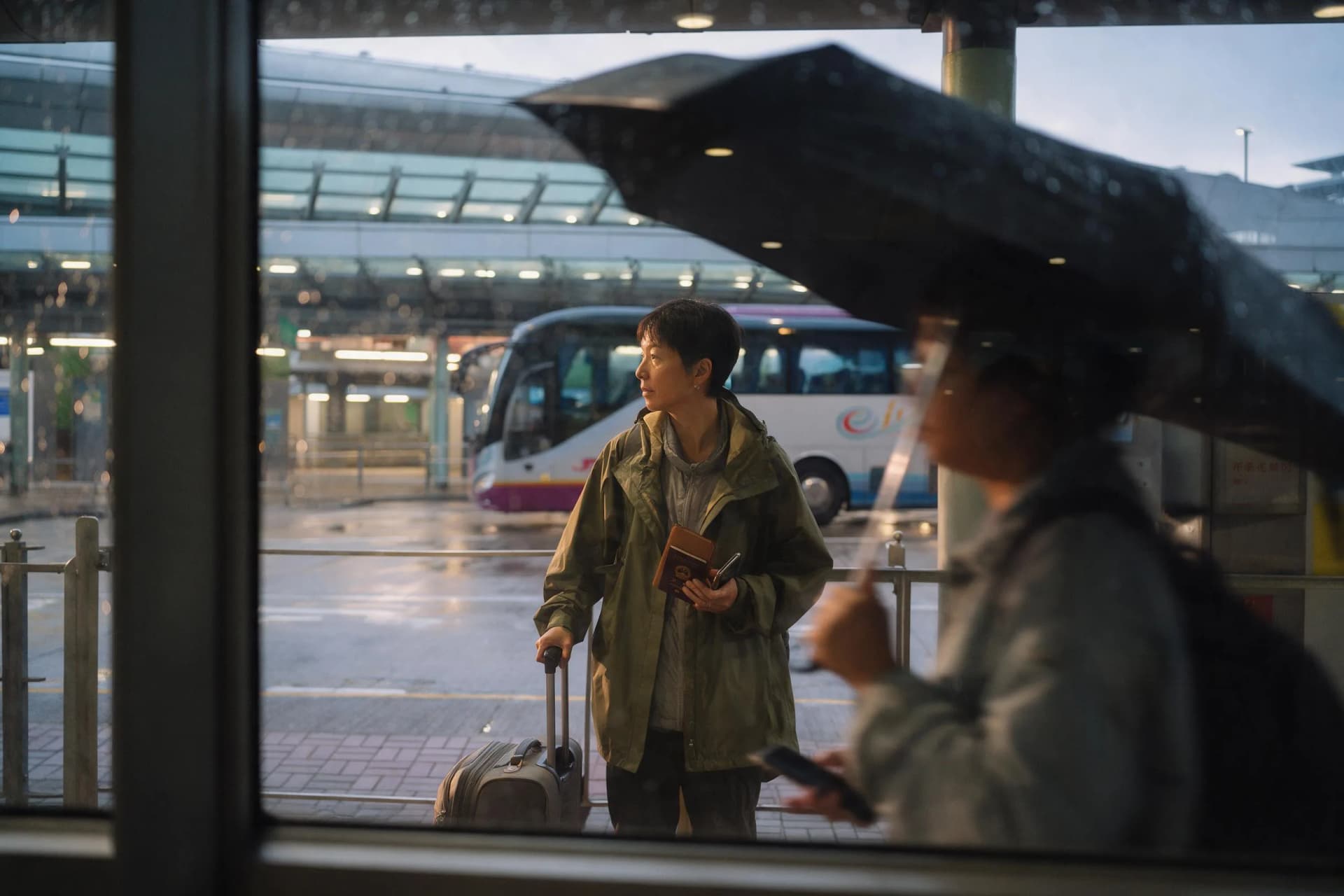
The 240-hour rule can work from Hong Kong, but only for eligible foreign passport holders whose trip continues to a different country or region. This decision guide explains the Hong Kong residency distinction, approved-port checks, onward-ticket traps, the 240-hour clock and practical US-dollar costs, then shows when a regular visa or Mainland Travel Permit is the safer booking.
Foreign nationals from one of 55 eligible countries qualify for a Hong Kong-to-mainland transit only when they enter at an approved port, hold confirmed onward travel to a different country or region, and stay within the authorized area before hour 240. The transit fee is US$0; a same-Hong Kong return does not qualify.
The first decision is legal status, not where you sleep. Picture a traveler who has lived in Hong Kong for years, presents a permanent identity card at the mainland border and assumes that local residence equals eligibility. It does not. The 240-hour policy is for foreign nationals from the listed countries traveling on an accepted foreign passport. A Hong Kong permanent identity card is not a nationality document. If your only travel document is an HKSAR or Macao SAR passport, use the Mainland Travel Permit route for Hong Kong and Macao residents rather than presenting this foreign-national transit rule. If you also hold an eligible foreign passport, the assessment follows that passport, your route and your supporting documents, not your right of abode.
Test the whole journey before buying a border ticket. The qualification sequence is deliberately narrow: 1. Passport: You hold an accepted passport from one of the 55 eligible countries, including the United States, United Kingdom, Canada, Australia and Singapore. 2. Direction: You start in Hong Kong and enter mainland China at an approved port. 3. Proof: You carry a confirmed, issued onward reservation to a different country or region, with your name and departure time visible. 4. Place and clock: You leave within 240 hours and remain inside the area authorized for your arrival port. A hotel booking, an airline search or a verbal plan is not onward-ticket proof. The onward leg must already be confirmed when you cross.
The onward-destination trap catches more travelers than the passport list. Hong Kong → Shenzhen → Hong Kong fails because the journey returns to the region it started from. Hong Kong → Shenzhen → Bangkok can pass if every other condition is met. Hong Kong → Guangzhou → Macau may also appear to meet the different-region test, but confirm that exact departure and route with the authorities before relying on it. The useful question is not simply “Am I leaving mainland China?” It is “Will I finish in a country or region different from Hong Kong?” A mainland-to-mainland ticket never supplies the required onward movement.
Your border point matters as much as your destination. Several Shenzhen land checkpoints, the Shekou ferry terminal, Shenzhen Bao'an airport and Guangzhou Baiyun airport are practical gateways to check against the current National Immigration Administration roster. A ticket to a city does not by itself authorize visa-free transit. Travelers using the high-speed railway from West Kowloon need particular care: check the exact immigration control point used for the service and whether it is recognized for this policy before buying the train. Then match the arrival point to your first night's hotel. Do not enter through a Guangdong gateway and assume that a same-week hotel booking in Beijing is automatically inside the permitted area.
Time is where an otherwise sensible itinerary can collapse. The 240-hour stay is normally counted from 00:00 on the day after entry, not from the minute you clear the border. A 10:30 arrival on November 19, 2026 therefore generally starts the clock at 00:00 on November 20 and ends at 00:00 on November 30. That produces 240 authorized hours, but less usable touring time after immigration, hotel transfers and airport check-in are counted. Book the onward departure by late November 28 to preserve a 24-hour disruption margin; do not schedule a flight for the final midnight because check-in will happen before the clock expires.
Budget for the connection rather than only the waiver: - Cross-border rail from West Kowloon to Shenzhen: about US$10. - Rail from West Kowloon to Guangzhou South: about US$30–US$36. - Shenzhen metro ride: about US$1–US$2. - Unplanned hotel night near the border or airport: about US$60–US$150. These are practical November 2026 planning figures, not quotations. The cheap choice is not automatically the flexible choice. A US$10 rail crossing can be excellent for a short Shenzhen stay, while an approved airport may be worth more if your onward connection, baggage and late-night arrival make a land transfer fragile. If the route fails the destination or port test, a regular visa protects the plan better than a nonrefundable hotel built around an uncertain waiver.
At check-in and at the border, keep the evidence simple and consistent. Carry the physical passport used for every reservation, a printed confirmation of the onward journey, the first mainland hotel address and an offline copy of the itinerary. Hong Kong and mainland immigration are separate processes, so clearing Hong Kong exit control does not prove that you will receive visa-free transit entry. Answer questions about your route directly and observe the stay area stated for the port. Meeting the published conditions makes you eligible to apply, but an immigration officer still decides whether to admit you.
The strongest booking sequence is clear. First verify your passport nationality and write the route as Hong Kong → approved mainland port → different country or region. Then confirm the onward reservation and the exact permitted area before paying for nonrefundable hotels or domestic transport. Choose a refundable room, reserve the border transfer and leave a full day of slack at the end. If your plan returns to Hong Kong, use the Mainland Travel Permit or obtain the appropriate visa instead of trying to stretch the transit rule. Send ChinaMira your passport nationality, border crossing, mainland hotel addresses and confirmed onward departure; we can test whether the route holds together before you book.
Good to know
- Rule checked November 19, 2026
- 55 eligible nationalities, 60 approved ports, 24 province-level jurisdictions and a US$0 government transit fee when every condition is met.
- Four-part eligibility test
- 1 eligible foreign passport + 1 confirmed onward booking to a different country or region + 1 approved entry port + departure within 240 hours and inside the authorized area.
- 240-hour clock example
- A 10:30 arrival on November 19, 2026 generally starts at 00:00 on November 20 and expires at 00:00 on November 30; book the onward departure by late November 28 for a 24-hour buffer.
- Three practical Hong Kong gateways
- 1 Shenzhen land checkpoint, 2 Shekou ferry terminal or 3 mainland airport, with the exact point checked against the current approved-port list. West Kowloon rail users must verify the specific immigration control point.
- Documents at the border
- 3 essentials: the passport used for booking, a confirmed onward reservation and the first mainland hotel address. Keep printed and offline copies; eligibility does not guarantee admission.
- Planning costs, November 2026
- About US$10 by cross-border rail to Shenzhen, US$30–US$36 to Guangzhou South, US$1–US$2 for a Shenzhen metro ride and US$60–US$150 for an unplanned hotel night.
Frequently asked questions
Can Hong Kong residents use China’s 240-hour visa-free transit?
Only if the traveler is a foreign national who holds an eligible foreign passport and satisfies the route, port, time and permitted-area conditions. Hong Kong permanent residence alone does not qualify. HKSAR or Macao SAR passport holders should use the Mainland Travel Permit route for Hong Kong and Macao residents.
Does Hong Kong to Shenzhen and back to Hong Kong qualify?
No. The policy requires onward travel to a different country or region, and a return to Hong Kong produces the same origin and destination region. A Hong Kong → Shenzhen → Bangkok itinerary can qualify if all other conditions are met.
Which border crossing should I use from Hong Kong?
Choose a crossing that appears on the current approved-port roster and connects cleanly with your authorized stay area. Shenzhen land checkpoints, Shekou ferry services and mainland airports are practical options to verify. For West Kowloon high-speed trains, confirm the exact immigration control point before buying.
How exactly is the 240-hour stay calculated?
The clock normally begins at 00:00 on the day after entry. A 10:30 arrival on November 19, 2026 generally runs to 00:00 on November 30, giving 240 authorized hours. Aim to depart by late November 28 so that transfers, delays and check-in do not consume the final day.
Do US citizens qualify for 240-hour transit from Hong Kong?
Yes, when a US passport holder enters mainland China through an approved port from Hong Kong, holds a confirmed onward booking to a different country or region, and complies with the 240-hour limit and permitted stay area. A Shenzhen round trip back to Hong Kong does not meet the onward-route test.
Keep exploring
Sources & verification
Sources used for this guide
Time-sensitive travel details can change. Reconfirm opening hours, prices and entry rules before departure.
- 1english.www.gov.cnenglish.www.gov.cn
- 2en.nia.gov.cnen.nia.gov.cn
- 3immd.gov.hkimmd.gov.hk
- 4mtr.com.hkmtr.com.hk
Local operating context
ChinaMira Travel Team contributes local route and operating knowledge from China. This team byline identifies a real operating group rather than a fictional individual author.
Related journeys
Turn this guide into a real trip
These are currently bookable journeys selected from the place and theme of this guide. Availability is rechecked before display.
Beijing & the Wild Great Wall
Five unhurried days in the capital, pairing the Forbidden City and hutong life with a full day walking the unrestored ridges of Jinshanling.
5 days
Next departure: Mar 15, 2027
Xi'an: Terracotta Warriors & the Silk Road
Four days in the eastern gateway of the Silk Road — the Terracotta Army, the city wall and the food lanes of the Muslim Quarter.
4 days
Next departure: Apr 8, 2027
Plan this trip
Turn this guide into a practical itinerary
Send us the article as context. A ChinaMira specialist can check the route, dates, transport, tickets and the details that need local confirmation.