
Does Google Maps Work in China? What Actually Works in 2026 Budget & Costs Guide
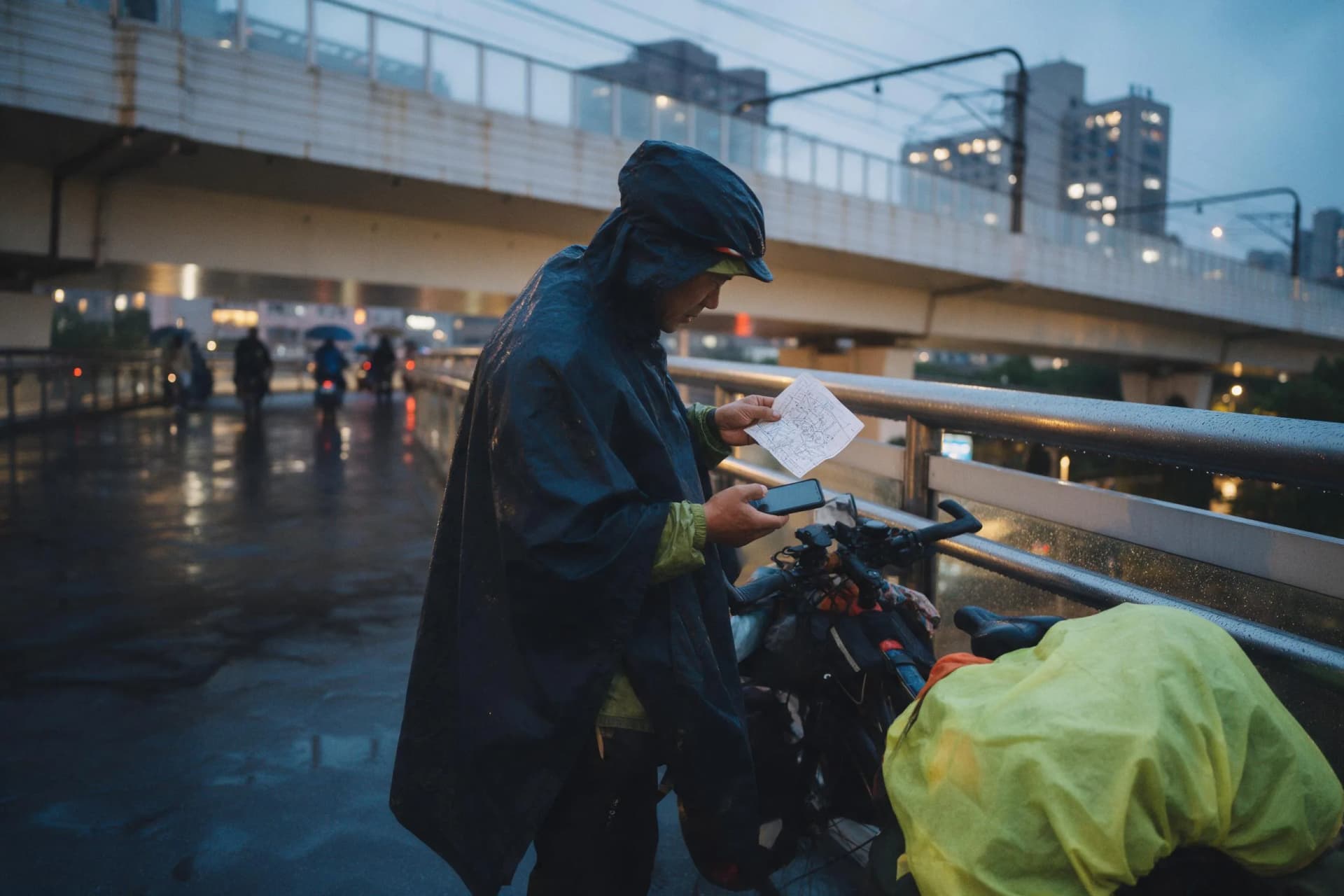
Google Maps is not a dependable live navigator across mainland China in 2026. This field-tested budget guide answers the app question first, then prices a three-day Shanghai stay in US dollars by tier: hotel, meals, tickets, transport, a licensed guide and the data plan that keeps a backup route available. International airfare is excluded.
No—not reliably. On November 7, 2026, Google Maps still fails too often for live search, traffic and routing on an ordinary mainland China connection. An internationally routed travel eSIM costing $18–$30 for 10 GB may help, but Amap remains the dependable plan; our mid-range Shanghai sample totals $680.
That answer separates navigation from connectivity. Connectivity is what you buy; navigation is what must still work when the purchase disappoints. Before departure, install Amap and Apple Maps, save each hotel under its full Chinese name and screenshot the final walking approach from the nearest metro exit. Then choose a Shanghai hotel near a metro station. A short walk at the end of every day is worth more than a grand lobby your phone cannot locate.
2026 Shanghai cost bands
Budget
- Hotel per night for 2 sharing
- $100–$140
- Food per person/day
- $20–$30
- Tickets for 3 days
- $20–$40
- Local transport for 3 days
- $20–$50
- Guide rate
- $0; self-guided
Comfort
- Hotel per night for 2 sharing
- $150–$220
- Food per person/day
- $50–$70
- Tickets for 3 days
- $50–$80
- Local transport for 3 days
- $50–$90
- Guide rate
- $120–$180 per group/day
Premium
- Hotel per night for 2 sharing
- $350–$500
- Food per person/day
- $90–$130
- Tickets for 3 days
- $80–$120
- Local transport for 3 days
- $90–$150
- Guide rate
- $180–$350 per group/day
These are planning bands, not live quotes. Hotel tax, room type, weekend demand and booking promotions can move them. A licensed English-speaking guide usually charges more for a museum specialist or a guide with a private car. Budget travelers can skip the guide and spend one focused morning on a self-guided historic walk.
Where the three-day total comes from
Budget
- Hotel, 2 nights, per person
- $60
- Food, 3 days
- $75
- Tickets
- $30
- Transport
- $35
- One guide day
- $0
- Data plan
- $20
- Total
- $220
Comfort
- Hotel, 2 nights, per person
- $180
- Food, 3 days
- $195
- Tickets
- $65
- Transport
- $75
- One guide day
- $140
- Data plan
- $25
- Total
- $680
Premium
- Hotel, 2 nights, per person
- $420
- Food, 3 days
- $330
- Tickets
- $105
- Transport
- $130
- One guide day
- $220
- Data plan
- $30
- Total
- $1,235
The sample covers one traveler sharing a double, with two hotel nights and three full days. A solo traveler pays both shares of the room. International flights, visa fees, shopping, alcohol and optional boutique experiences sit outside the totals. The point is to expose the decisions hidden inside a daily budget: location, meal style, one guided day, airport transfer and how much phone independence you want.
What Google Maps actually does - On a normal mainland network, live Google search, traffic, business details and transit routing may not load. A previously downloaded area can display as a cached street diagram, but that is not live navigation. - An international roaming plan or travel eSIM may route your traffic outside mainland China; some visitors then get familiar Google services, while others do not. Ask the provider about routing before paying and test it at the airport. - A VPN is not a map backup. Personal cross-border tools can be blocked, slow or unavailable, so do not make one the only route to your hotel. - Amap is the practical primary app for roads, transit and ride-hailing pickup points. Apple Maps is a sensible iPhone fallback, and a screenshot of the destination in Chinese is the final failsafe.
Shanghai makes the trade-off visible. A budget room on a well-connected but less central metro line keeps two nights near $120 for a couple, while a central comfort room may cost $180 a night. The cheaper room can still be the better buy if it is a three-minute walk from a station and you travel outside peak hours. At the top end, pay for location and service, not for a fitness center you will never see; the premium sample assumes a room around $420 a night for two.
Food is the most controllable line. Breakfast at a neighborhood shop, a lunch of dumplings or noodles and a simple dinner can fit inside $20–$30 a day. The comfort tier allows sit-down meals, coffee and a few English-language menus. The premium tier covers ambitious dinners and hotel drinks. Tickets do not need to dominate: the Shanghai Museum’s permanent collection is free with an advance reservation, a classical garden costs roughly $6, the Shanghai Tower observation deck about $20–$28 and a river cruise about $18–$30.
Transport is similarly uneven. Metro rides generally cost about $0.50–$1.50, airport rail and short taxi trips sit in the low single digits to low teens, and an eight-kilometer ride-hail journey commonly lands around $5–$9. Yet luggage, rain and a late arrival can turn a cheap route into a costly taxi search. Keep one airport transfer and one rainy-evening ride in the budget, and screenshot the hotel address before entering the car.
Choose in this order: reliable maps, a metro-close room, the meal style you actually want, then a guide. A $120–$180 guide day makes sense if history is the reason for the trip; it rarely makes sense for shopping. Set up Amap, an international data plan and offline screenshots before booking the cheapest nonrefundable room. Send ChinaMira your arrival airport, phone model, must-have Google apps and comfort ceiling, and we will turn those choices into a map-proof Shanghai budget with a clear fallback for the first night.
Good to know
- Google Maps status
- As of November 7, 2026, live search, traffic and routing are not dependable on ordinary mainland China networks; a downloaded area may only display cached streets.
- Three-day sample totals
- $220 budget, $680 comfort and $1,235 premium per person in Shanghai, sharing a double, with two nights, three days of food, tickets, transport, data and one guide day where shown.
- Hotel and food bands
- Hotel per night for two: $100–$140 budget, $150–$220 comfort, $350–$500 premium. Food per person per day: $20–$30, $50–$70 or $90–$130.
- Tickets and local transport
- Three-day tickets: $20–$40, $50–$80 or $80–$120. Local transport: $20–$50, $50–$90 or $90–$150. Metro rides typically cost about $0.50–$1.50.
- Guide and data costs
- Guide day rates are $120–$180 for a full day, $180–$260 for a specialist and $260–$350 with a private car. A 10 GB travel eSIM typically costs $18–$30.
- Navigation setup
- Install Amap and Apple Maps, save 3 offline essentials, download the city map and test the hotel pin for 5 minutes in airplane mode before departure.
Frequently asked questions
Does Google Maps work in China in 2026?
Not dependably on an ordinary mainland China connection. Live search, traffic and routing may fail even when a cached area displays. Use Amap as the primary navigation app, Apple Maps as a backup and save your hotel address in Chinese before departure.
Will an international eSIM make Google Maps work in China?
Sometimes, but the result varies by provider and plan. A travel eSIM costing about $18–$30 for 10 GB may route your data outside mainland China and allow familiar services. Confirm the routing policy, install it before departure and still keep an offline map backup.
How much does a 3-day Shanghai trip cost in 2026?
Our per-person sample, sharing a double and excluding international flights, is about $220 at budget level, $680 at comfort level and $1,235 at premium level. Each total includes two nights, three days of food, tickets, local transport, one guide day where applicable and a data plan.
How much does an English-speaking guide cost in Shanghai?
Plan on about $120–$180 per group for a full guide day, $180–$260 for a specialist museum or history guide and $260–$350 for a guide with a private car. Confirm the language, licensed status, route, meal costs and pickup location in writing before booking.
Can I rely on a VPN instead of Amap in China?
No. A VPN is not a reliable navigation solution, and personal cross-border tools may be blocked or unstable. Install Amap, keep screenshots of your hotel and key destinations, and treat any VPN as an optional extra rather than your only way to find the next train.
Keep exploring
Sources & verification
Sources used for this guide
Time-sensitive travel details can change. Reconfirm opening hours, prices and entry rules before departure.
- 1transparencyreport.google.comtransparencyreport.google.com
- 2support.google.comsupport.google.com
- 3amap.comamap.com
- 4shanghaimuseum.netshanghaimuseum.net
- 5shmetro.comshmetro.com
Local operating context
ChinaMira Shanghai Guide Team contributes local route and operating knowledge from Shanghai. This team byline identifies a real operating group rather than a fictional individual author.
Related journeys
Turn this guide into a real trip
These are currently bookable journeys selected from the place and theme of this guide. Availability is rechecked before display.
Plan this trip
Turn this guide into a practical itinerary
Send us the article as context. A ChinaMira specialist can check the route, dates, transport, tickets and the details that need local confirmation.