
Can You Eat Safely in China With a Severe Food Allergy in 2026?
Traveling China with a severe food allergy is possible, but safety depends on a repeatable meal routine, not luck. This 2026 guide covers a professionally translated kitchen card, high-risk dishes and shared kitchens, restaurant choices, packaged-food labels, medication precautions and the emergency route from table to hospital. Use the $10–$20 card estimate and decision checks to choose where to eat before hunger makes the call for you.
You can eat safely in China in 2026 with a severe food allergy, but no restaurant can promise zero-risk meals. Reduce risk by making every meal a kitchen-confirmed decision rather than a menu guess. Carry a professionally translated allergy card, budget $10–$20 for it, keep prescribed emergency medicine accessible, and save 120 plus the nearest hospital route before dinner.
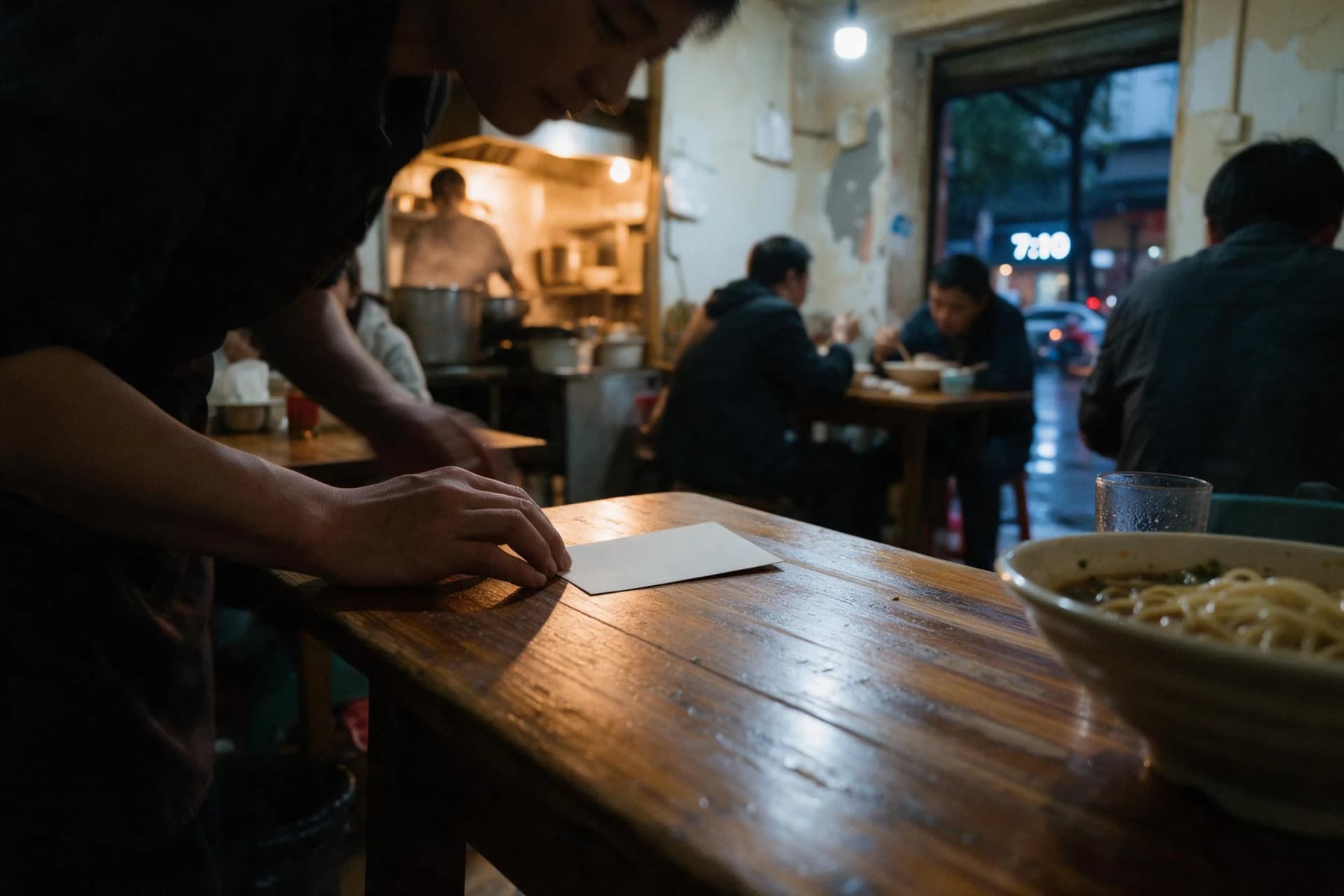
At a crowded Beijing noodle shop, “Is there peanut?” can pass from server to kitchen and back as a shrug. A warm bowl may still share a wok, ladle, cutting board or frying oil with another dish. Wheat or egg can hide in noodles and batters; peanut oil can appear in stir-fries and chili oil; oyster sauce can bring fish or shellfish into a vegetable dish. For a severe allergy, the useful question is not whether the dish sounds plain. It is whether the kitchen has confirmed every ingredient and contact route, including garnishes and sauces.
The allergy card is your handoff, so make it short enough to read at a busy table. A clinically reviewed translation should name the allergen precisely, state that even a trace can be dangerous, list likely hidden forms such as oils, sauces, stock, marinade and batter, and ask whether a clean pan, utensil and oil can be used. Add your emergency contact and prescribed medicine details. Give the card to the person taking the order, ask them to take it to the chef, and require a clear confirmation for every shared dish. If the response is vague, choose another restaurant; politeness is not worth an avoidable exposure.
Restaurant type changes the risk more than menu wording. Use this decision list before you sit down: - **Lower-variance choices:** a hotel restaurant or larger established restaurant with a manager, standardized recipes and enough staff to check the kitchen; still ask for confirmation. - **Conditional choices:** a smaller restaurant where the manager reads the card to the chef and gives specific answers about ingredients and cooking surfaces. - **Higher-risk choices for a severe allergy:** buffets, hot pot, shared grills, open street stalls and market grazing, where utensils, broths and cooking surfaces pass between many dishes. The point is not to avoid every memorable meal. It is to trade a little spontaneity for a kitchen conversation that can actually be verified.
Packaged snacks are useful backup, but a front label is not a guarantee. Prepackaged foods in China may carry a detailed Chinese ingredient and allergen declaration; smaller packets, repackaged goods and imports may be harder to interpret. Photograph the Chinese label and ask hotel staff or the manufacturer when the wording matters. Do not infer that a product is free of milk, egg, wheat, soy, peanut or tree nuts because the flavor sounds simple. Soy sauce and fermented bean pastes can carry soy or wheat, milk can appear in drinks and desserts, and shared factory lines may be disclosed separately. If nobody can confirm the product, choose a sealed alternative you already trust.
Before your first meal, make a one-page emergency plan. Save 120, your hotel address in Chinese, the nearest hospital's name and route, your insurer's assistance number and a designated English-speaking companion or hotel contact. Know where the emergency entrance is, especially after dark. If breathing becomes difficult, the throat feels tight, the voice changes, or faintness or rapidly worsening symptoms appear, follow your clinician's anaphylaxis plan immediately, use the prescribed emergency medicine and call 120 or go to the nearest emergency department. Do not wait to see whether the reaction passes. The US Embassy can help locate providers but is not an emergency ambulance service.
Keep prescribed medicine in its original packaging with a clinician's letter and a translated summary. Ask your airline and check China customs rules before departure; do not assume your exact product, dose or device will be replaceable in China. Before buying travel insurance, confirm that emergency care, hospital payment and medical evacuation fit your needs, and save the policy number offline. Carry two copies of the care plan: one in your day bag and one with a travel companion. A paper record remains useful when a phone is locked, the battery is empty or a foreign service will not load.
The best food memories in China often begin with a crowded table and an enthusiastic host, not a printed assurance. You can still join those tables with a severe allergy when you make the non-negotiable parts routine: reviewed language, confirmed ingredients, a trusted restaurant shortlist, accessible medicine and a hospital route for each city. Before departure, print two cards, choose two backup restaurants near your hotel and map one emergency department. Then leave room for tea, conversation and the dishes the kitchen can confidently serve.
Good to know
- Allergy card budget, 2026
- Plan for $10–$20 for one professionally reviewed English-Chinese card; confirm the quote and keep 2 printed copies.
- Emergency number
- Call 120 for an ambulance; save your hotel address in Chinese and the nearest hospital name before your first meal.
- Kitchen check
- Confirm 5 details for every dish: the named allergen, sauces, oils, stock or marinade, and shared pans or utensils.
- Higher-risk settings
- Avoid 4 common cross-contact settings: buffets, hot pot, shared-grill tables and busy street stalls unless staff can verify a separate preparation route.
- Medicine packet
- Carry prescribed emergency medicine in original packaging with 1 translated care plan and a clinician's letter; check airline and customs rules before departure.
Frequently asked questions
Can I explain a severe food allergy to restaurant staff in China?
Yes, but do not rely on spoken English or a translation app alone. Use a professionally reviewed English-Chinese card, ask the server to show it to the chef, and insist on a clear answer about the named allergen, sauces, oils, stock and shared utensils.
Which meals are riskiest for cross-contact in China?
Buffets, hot pot, shared grills, street stalls and fast-moving market kitchens often involve shared utensils or cooking surfaces. For a severe allergy, choose a calmer restaurant where a manager can confirm each dish, or skip the setting rather than accepting a vague assurance.
Are food allergens labeled on packaged food in China?
Many prepackaged products carry Chinese ingredient and allergen information, but the layout varies and restaurants do not provide the same standardized label. Read the original Chinese panel, verify uncertain terms with hotel staff or the manufacturer, and avoid products when trace exposure matters and nobody can confirm them.
What should I do if I have an allergic reaction in China?
Follow your personalized allergy action plan at the first warning sign. For breathing difficulty, throat tightness, faintness or rapidly worsening symptoms, use prescribed emergency medicine and call 120 or go to the nearest emergency department immediately; do not wait at a restaurant for symptoms to settle.
Can I bring allergy medicine into China?
Bring prescribed medicine in original packaging with a clinician's letter and translated prescription, and confirm current airline and China customs requirements before departure. Do not assume that your exact medicine or emergency device will be available locally; pack enough for the full itinerary and a buffer.
Keep exploring
Plan with ChinaMira
Turn this into a trip
Use this guide as a starting point — we can handle the route, guides, trains and the visa invitation letter.