
China Travel for Seniors: Pace, Access and Practical Planning
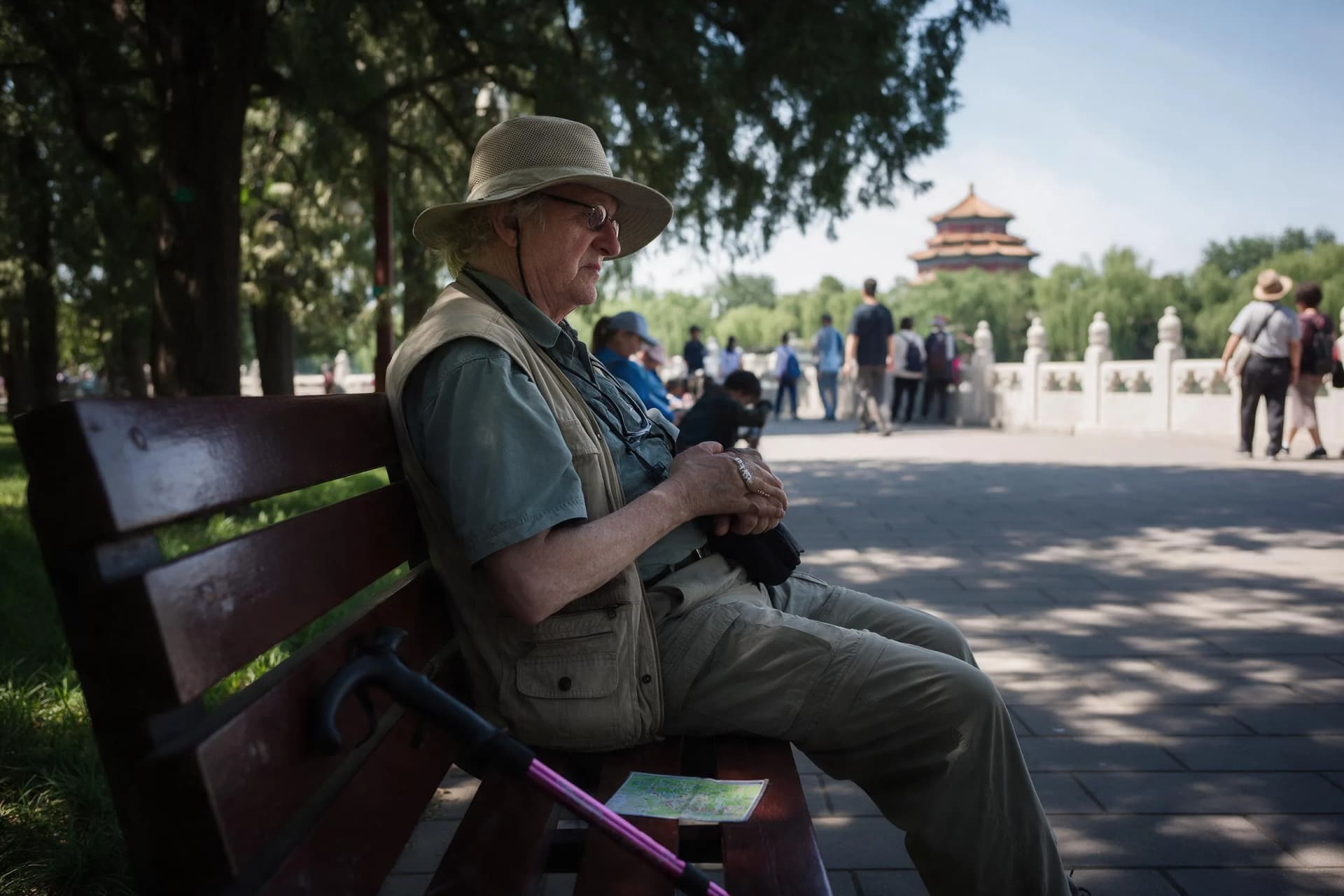
A senior-friendly China trip should be built around fewer hotel changes, private transfers and realistic walking distances, not a shorter version of a fast group tour. Eight to ten days in Beijing, Xi'an and one slower city is a better starting point than four regions. Ask every hotel and attraction to confirm steps, elevators, toilets and rest areas rather than assuming accessibility.
A senior-friendly China trip should be built around fewer hotel changes, private transfers and realistic walking distances, not a shorter version of a fast group tour. Eight to ten days in Beijing, Xi'an and one slower city is a better starting point than four regions. Ask every hotel and attraction to confirm steps, elevators, toilets and rest areas rather than assuming accessibility.
High-speed rail is comfortable, but major stations are large and security queues can be tiring. A private transfer reduces luggage handling, while a station porter or guide can make the rail day manageable. Book seats together and avoid flights or trains before 09:00 after a late arrival. For Beijing, consider a hotel near a metro station with an elevator and a short walk to restaurants; proximity is more valuable than saving a small amount on room rate.
Senior travelers often appreciate context more than a checklist of monuments. A private guide can slow the pace, explain history and handle tickets, while the driver manages luggage and waiting. At temples, markets and historic neighborhoods, sitting spaces and toilets should be part of the route. Ask before photographing people and avoid long days in crowds where fatigue increases the risk of falls.
The most common problems are dehydration, heat, uneven pavements, stairs without handrails and an itinerary that ignores jet lag. Build a rest hour into every day and a free day every four days. Do not book a late international departure immediately after a Great Wall day. If a traveler uses a wheelchair or walker, verify each vehicle, hotel and attraction separately; “accessible” is not a universal standard.
Share walking tolerance in minutes rather than describing someone as active or inactive. A 20-minute station transfer can feel different from 90 minutes in a museum. Ask whether a site has seating every 20-30 minutes, a working elevator and a toilet near the entrance. Avoid routes that require standing at security for long periods.
A private guide can collect tickets and adapt the day without making the group feel rushed. Choose restaurants with chairs, readable menus and a short vehicle drop-off. Keep a simple medical card in English and Chinese with diagnoses, medicines, allergies and emergency contacts.
Build the transport plan around one realistic arrival, one primary route and one contingency. A short line on a map can become a half-day transfer in mountains, traffic or bad weather, so ask suppliers for door-to-door time rather than distance alone. Confirm luggage capacity, child-seat availability and whether the driver is licensed for commercial passengers. Avoid unprotected same-day connections between an international flight and a remote transfer; an overnight buffer near the airport or railway station is usually cheaper than rebuilding a disrupted itinerary.
Use a planning budget that separates transport, accommodation, tickets, food, guides and insurance. Customer-facing ChinaMira prices are shown in USD; if Alipay, WeChat Pay or bank transfer is selected, the relevant CNY amount appears at checkout or on the invoice in smaller type. Do not judge a service only by its headline price. Check inclusions, cancellation terms, guide language, vehicle age, medical support and emergency procedures. Pay through verified company channels and independently confirm any change of bank details.
Plan in a deliberate sequence: confirm the route and operating season, identify the city where permits or reservations must be handled, secure a licensed local operator in writing, then book transport and accommodation. Keep passport details consistent across every booking, save Chinese addresses offline and verify cancellation and weather terms before payment. Leave one recovery half-day after the main arrival and one buffer before departure; those blocks are more valuable than squeezing in another attraction.
Good to know
- Suggested trip
- 9-10 days with two or three bases
- Daily pace
- One major sight plus a rest window
- Rail
- Request together seats and station assistance
- Medical preparation
- Original medicine packaging, prescriptions and insurance
- Emergency numbers
- Police 110, ambulance 120, fire 119
Frequently asked questions
How many days should a senior traveler spend in China?
Nine to ten days is a good first trip with two or three bases. A slower eight-day version is better than adding another long transfer.
Can hotels and trains accommodate limited mobility?
Many can, but you must confirm the exact station, train, room and vehicle. Request elevators, boarding assistance and a short walking route in writing.
Is travel insurance essential?
Yes for most international trips. Check overseas medical care, evacuation, pre-existing conditions and direct-payment rules before paying.
Keep exploring
Plan with ChinaMira
Turn this into a trip
Use this guide as a starting point — we can handle the route, guides, trains and the visa invitation letter.