
Chinese Ethnic Groups and Community Visits: A Responsible Guide
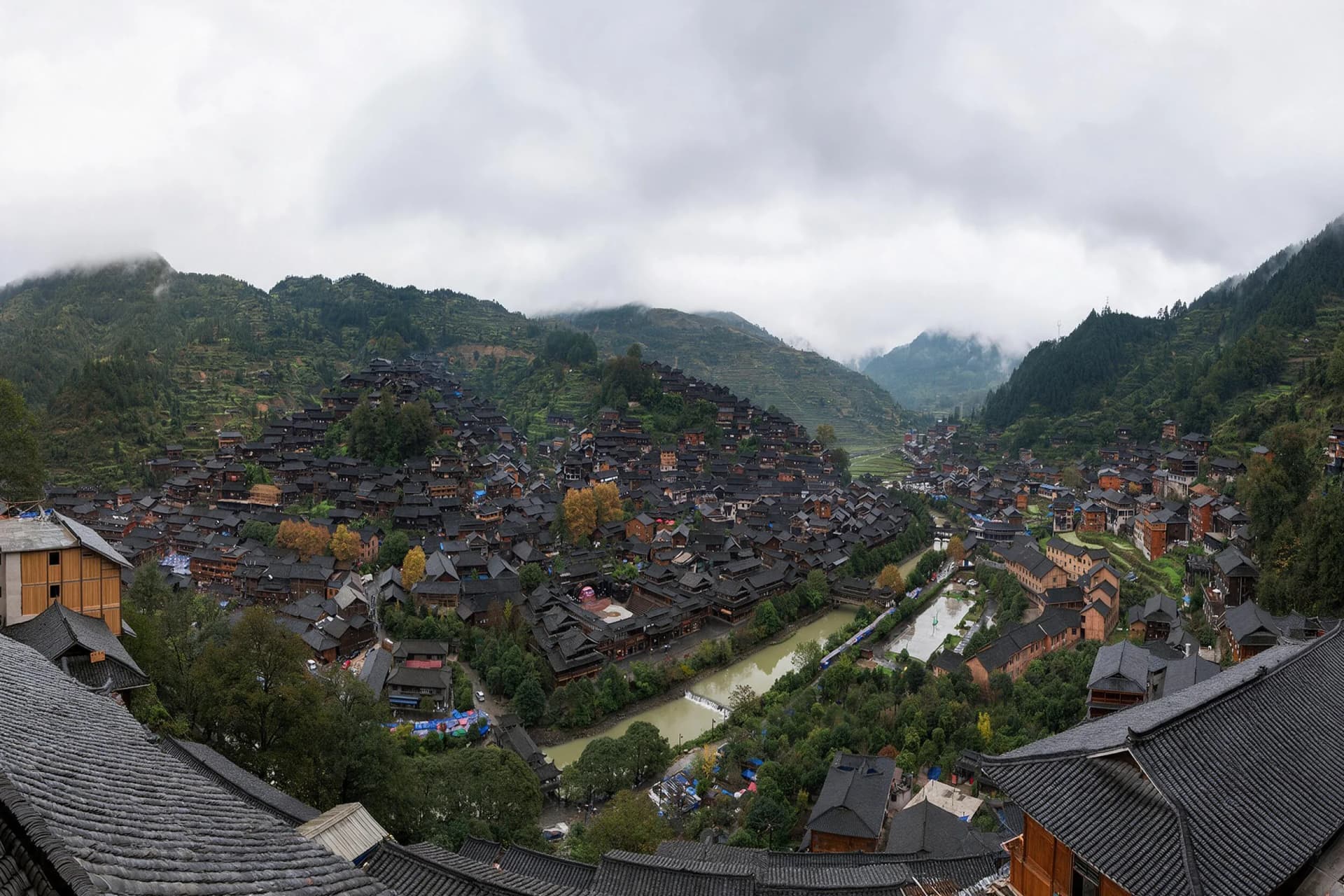
Ethnic-minority tourism should be planned as a visit to a living community, not a search for colorful costumes. Choose villages where tourism is locally controlled, ask before photographing people and homes, and spend money through legitimate local businesses. Guizhou, Yunnan, Guangxi and Xinjiang offer different cultures and should not be treated as interchangeable.
Ethnic-minority tourism should be planned as a visit to a living community, not a search for colorful costumes. Choose villages where tourism is locally controlled, ask before photographing people and homes, and spend money through legitimate local businesses. Guizhou, Yunnan, Guangxi and Xinjiang offer different cultures and should not be treated as interchangeable.
A meaningful visit includes ordinary daily life, food, crafts, farming or local markets, not just a staged performance. Language and custom vary between communities and even neighboring villages. Ask your guide who owns the tourism business, whether performers are paid and whether visitors are welcome during festivals or funerals.
Select fewer villages and allow time for road transfers and weather. Combine a village stay with a town hotel so the group can rest and do laundry. Confirm whether a home stay has private bathrooms, heating and accessible entrances. Ask if the visit will coincide with a working day, market day or festival, and whether outsiders can attend.
Markets and festivals follow local calendars, not just national public holidays. Weather and agriculture affect road access and village routines. During harvest or a private ceremony, the community may prefer not to receive visitors. A responsible operator will change the plan rather than pressure residents to perform.
Use a local driver with experience on narrow roads and carry cash as a backup for small vendors. Do not distribute sweets, money or school supplies to children; support schools or local businesses through verified channels. Keep luggage small and bring a headlamp, rain protection and a refillable bottle.
Ask before photographing faces, homes, altars, textiles or ceremonies. Dress modestly and avoid touching cultural objects without permission. Learn the correct local name rather than using a generic label. Buy crafts directly from makers, but ask whether an item is handmade, whether the design is sacred and how it should be cared for.
The main risks are exploitative “human zoo” tourism, unauthorized home entry, road accidents and misrepresenting a community as frozen in time. Choose an operator with a published community policy. If a resident says no to photography or entry, accept it and move on.
A local guide is most valuable when the visit depends on interpretation, reservations or access: a historic neighborhood, an active temple, a workshop, a remote trail or a food market. Ask what the guide will actually do, whether tickets and transport are included and whether the quoted language is fluent enough for detailed questions. Do not use a guide simply to bypass rules or gain private access that is not officially available. Build independent time into each day so the trip still feels like your own rather than a continuous escorted presentation.
Plan transport around door-to-door time, not map distance. Ask whether the quoted vehicle fits the luggage, whether the driver is licensed for commercial passengers and where the vehicle can stop near the entrance. Keep one realistic recovery block after a long arrival and avoid unprotected same-day connections between an international flight and a remote transfer. A paper copy of hotel names in Chinese and a screenshot of the station or airport meeting point are useful when mobile data is slow.
Separate the planning budget into transport, accommodation, tickets, food, guides and insurance, then check what is actually included. Customer-facing ChinaMira prices are shown in USD; the CNY amount used for Alipay, WeChat Pay or bank transfer appears separately at checkout or on an invoice. Do not select a supplier by headline price alone. Confirm cancellation terms, guide language, vehicle class, medical contingency and emergency support before paying through a verified company channel.
Book in a clear sequence: settle the route and season, confirm any permit or timed reservation, reserve the first hotel and transfer, then add rail or domestic flights. Keep passport details consistent and save all confirmations offline. Share mobility, dietary, prayer, allergy, child or medical requirements in writing before suppliers are reserved. Leave one unscheduled half-day after the main arrival and one buffer before departure; those gaps solve more problems than another rushed attraction.
Good to know
- Core rule
- Community consent before photos or home visits
- Best approach
- Small group, local guide and verified operator
- Spending
- Buy from local businesses through legitimate channels
- Access
- Roads and festivals vary by season and village
- Emergency numbers
- Police 110, ambulance 120, fire 119
Frequently asked questions
Can I visit ethnic villages independently?
Some are reachable independently, but a local guide improves language, consent and market-day context. Avoid entering private homes without invitation.
Which regions are best for community-based tourism?
Guizhou, Yunnan, Guangxi and parts of western China have many different communities. The responsible operator matters more than the region label.
Is it appropriate to buy crafts?
Buying directly can support local livelihoods, but ask about provenance, materials and whether the design has sacred or restricted meaning.
Keep exploring
Plan with ChinaMira
Turn this into a trip
Use this guide as a starting point — we can handle the route, guides, trains and the visa invitation letter.