
Chinese Temples and Religions: A Visitor's Etiquette Guide
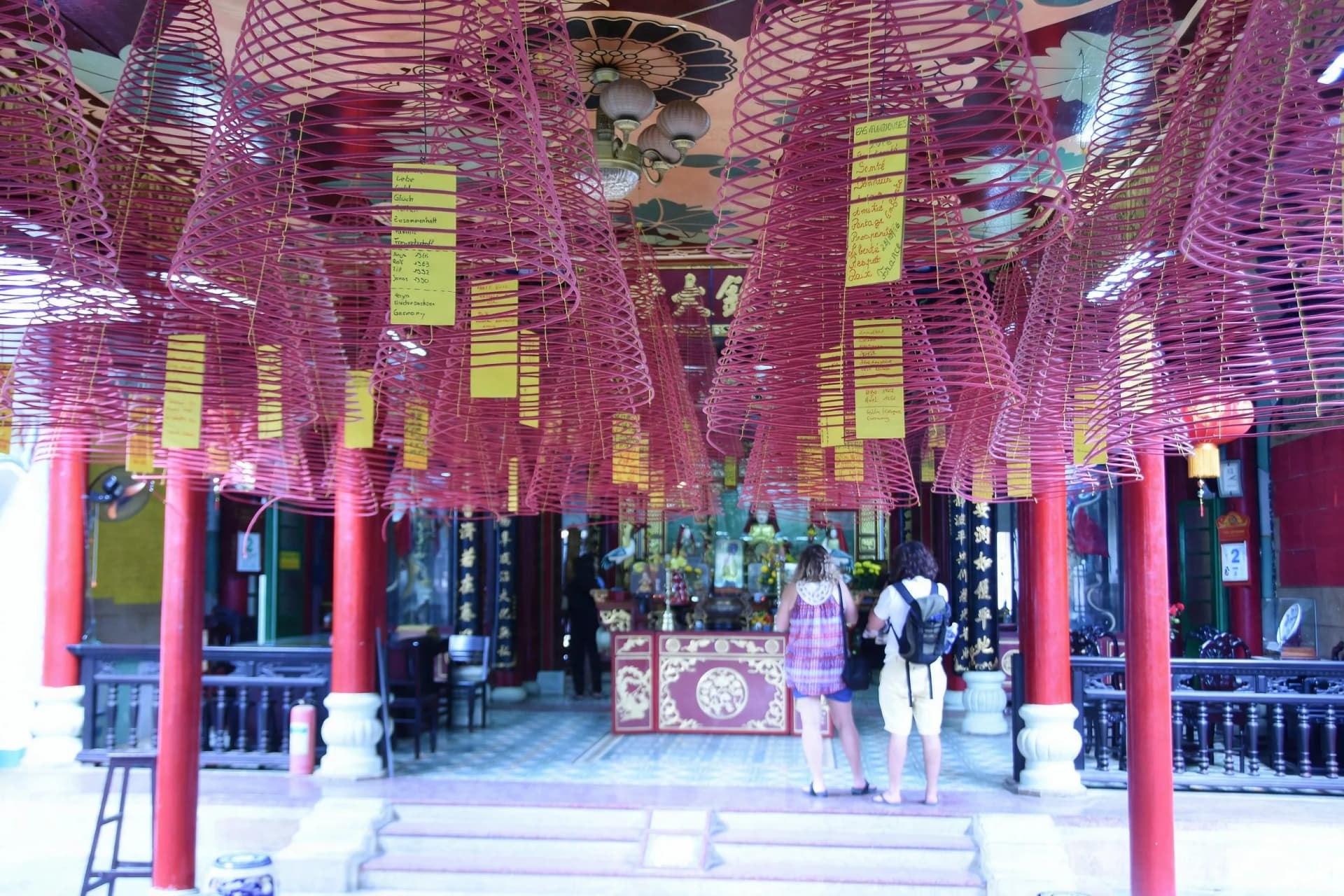
A Chinese temple visit should begin with observation and respect, not a photography checklist. Buddhism, Daoism, Islam, Christianity and local traditions exist across different communities and regions. Ask before entering a worship hall, follow incense and clothing rules and never treat prayer as a performance.
A Chinese temple visit should begin with observation and respect, not a photography checklist. Buddhism, Daoism, Islam, Christianity and local traditions exist across different communities and regions. Ask before entering a worship hall, follow incense and clothing rules and never treat prayer as a performance.
Temples may be active places with resident clergy, worshippers and volunteers. Some courtyards welcome quiet visitors; other halls are reserved for prayer. Incense can be intense, and floors may be uneven. A local guide can explain which gestures are customary and which are commercial tourist rituals, but the community's instructions take priority.
Place a temple visit in a slower half-day, not between two rushed attractions. Ask whether the site is Buddhist, Daoist, Confucian, Muslim or a mixed local tradition. Check clothing requirements and photography rules. At major sites, buy tickets and reserve through official channels rather than following an unmarked vendor.
Festival days and weekends are busier and more meaningful but less suitable for casual photography. Avoid loud behavior during chanting or prayer. Summer heat and incense smoke can be uncomfortable for children and people with respiratory conditions. Know where the exit and toilets are before entering the busiest courtyard.
Remove shoes only when instructed, keep shoulders and knees covered where customary and carry a light layer. Do not touch statues, offerings or musical instruments. Put phones on silent. A small donation should go to an official box or approved channel, not to an aggressive `blessing` seller.
Religious traditions are diverse; do not assume every temple follows the same ritual. Use the local name and avoid treating monks, nuns or worshippers as photo props. Ask before photographing children or prayer cards. If invited to participate, follow the host's lead. A respectful visitor can observe without pretending to belong to the faith.
The main risks are offensive photography, unauthorized rituals, tourist scams and accessibility problems in old compounds. Use official information and decline pressure to buy expensive incense or a high-priced blessing. If a service is in progress, wait or leave quietly. Do not enter a closed hall because another visitor opened the door.
A local guide is most valuable when the visit depends on interpretation, reservations or access: a historic neighborhood, an active temple, a workshop, a remote trail or a food market. Ask what the guide will actually do, whether tickets and transport are included and whether the quoted language is fluent enough for detailed questions. Do not use a guide simply to bypass rules or gain private access that is not officially available. Build independent time into each day so the trip still feels like your own rather than a continuous escorted presentation.
Plan transport around door-to-door time, not map distance. Ask whether the quoted vehicle fits the luggage, whether the driver is licensed for commercial passengers and where the vehicle can stop near the entrance. Keep one realistic recovery block after a long arrival and avoid unprotected same-day connections between an international flight and a remote transfer. A paper copy of hotel names in Chinese and a screenshot of the station or airport meeting point are useful when mobile data is slow.
Separate the planning budget into transport, accommodation, tickets, food, guides and insurance, then check what is actually included. Customer-facing ChinaMira prices are shown in USD; the CNY amount used for Alipay, WeChat Pay or bank transfer appears separately at checkout or on an invoice. Do not select a supplier by headline price alone. Confirm cancellation terms, guide language, vehicle class, medical contingency and emergency support before paying through a verified company channel.
Book in a clear sequence: settle the route and season, confirm any permit or timed reservation, reserve the first hotel and transfer, then add rail or domestic flights. Keep passport details consistent and save all confirmations offline. Share mobility, dietary, prayer, allergy, child or medical requirements in writing before suppliers are reserved. Leave one unscheduled half-day after the main arrival and one buffer before departure; those gaps solve more problems than another rushed attraction.
Good to know
- Conduct
- Lower voice, silence phone, follow posted rules
- Dress
- Modest shoulders and legs are generally considerate
- Photography
- Ask before photographing people or prayer
- Donations
- Use official boxes or verified channels
- Emergency numbers
- Police 110, ambulance 120, fire 119
Frequently asked questions
Can tourists enter Chinese temples?
Many active temples welcome respectful visitors, but specific halls and times may be restricted. Follow posted rules and staff instructions.
Is there one dress code for every temple?
No. Modest dress is generally considerate, but requirements vary by site and religious tradition. Check before visiting.
Can I photograph worshippers?
Ask first and respect a refusal. Many people consider prayer and family rituals private, and photography may be prohibited in certain halls.
Keep exploring
Plan with ChinaMira
Turn this into a trip
Use this guide as a starting point — we can handle the route, guides, trains and the visa invitation letter.