
Harbin Ice Festival Planning: Cold, Crowds and Winter Routes in 2026
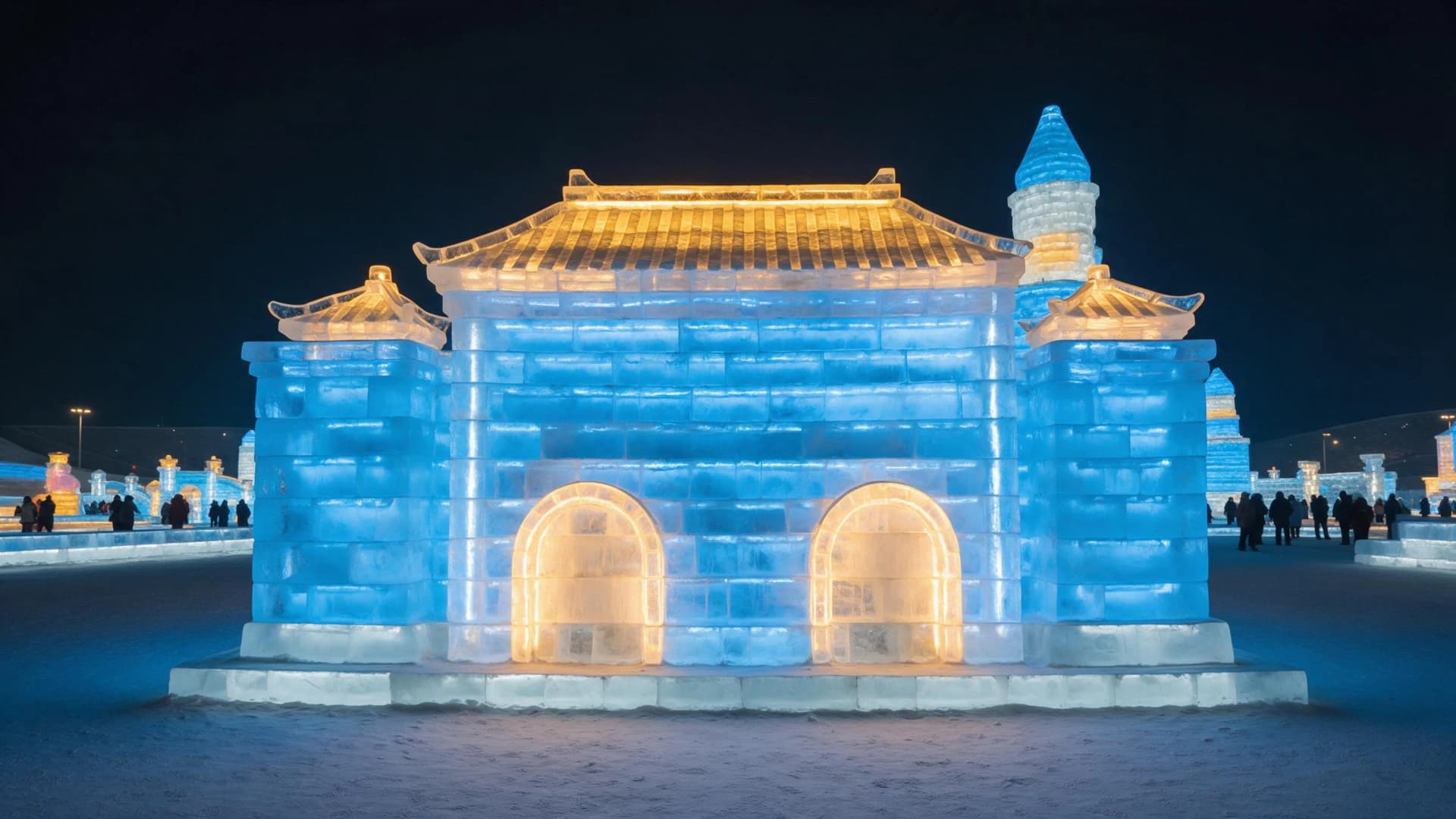
Plan Harbin around four to six winter days, with one night reserved for the ice-and-snow displays, a slower daytime city day and a buffer for extreme cold. Festival dates and the condition of individual parks change with weather; do not book non-refundable travel based on a guessed opening date. Clothing and transport matter more than adding another distant stop.
Plan Harbin around four to six winter days, with one night reserved for the ice-and-snow displays, a slower daytime city day and a buffer for extreme cold. Festival dates and the condition of individual parks change with weather; do not book non-refundable travel based on a guessed opening date. Clothing and transport matter more than adding another distant stop.
Harbin is reached by air or high-speed rail, but winter delays and road conditions can affect transfers. Stay near a metro or central transport point rather than choosing a remote hotel for a low price. Confirm airport transfer in advance and allow extra time for luggage and cold-weather clothing. If continuing to Yabuli or a snow-town area, use a licensed vehicle and avoid a same-day long transfer after arrival.
A sensible first plan includes the city's historic streets, a daytime park or museum, one evening at the main ice-and-snow attraction and a flexible day for local food or a winter activity. Yabuli or Snow Town can be added as a separate extension, but each requires travel time and winter logistics. Do not assume every outdoor attraction is comfortable for children or older visitors at night. Check current opening dates, ticket channels and transport back to the hotel.
The main winter displays depend on freezing conditions, not a fixed date. The official opening period can vary, and some sculptures or activities may close earlier than advertised. Daylight is short, making a daytime and night-time visit feel different. Check the official venue and weather forecast close to departure, and build a spare evening so a closed or overcrowded first attempt does not ruin the trip.
Children need frequent warm-up breaks and a hotel room that is easy to reach. Older travelers should check walking distance, ice, stairs and whether the venue has a rest area. Families should not combine a late-night ice visit with an early departure the next morning. Travelers with respiratory or circulatory conditions should seek medical advice before planning long outdoor exposure.
The main risks are frostbite, falls, traffic delays and trusting a non-official ticket seller. Buy through official channels and keep a screenshot of the ticket and hotel address. Confirm whether the hotel provides winter clothing or a shuttle. If a road or venue closes, reduce the itinerary rather than substituting a risky DIY trip. Keep emergency contacts and insurance details available offline.
Book the hotel for location and warmth first: a reliable heating system, hot water, a lift and a short indoor route to breakfast matter more than decorative theming. Keep boots and gloves near the door and dry wet clothing overnight. A small flask and high-energy snacks help during long outdoor visits.
If adding Yabuli or Snow Town, treat it as a separate winter activity and confirm equipment, lessons and transport. Do not assume resort standards match the brochures. Keep one evening unplanned for the ice displays so the best weather window can be chosen after arrival rather than from an old schedule.
Build the transport plan around one realistic arrival, one primary route and one contingency. A short line on a map can become a half-day transfer in mountains, traffic or bad weather, so ask suppliers for door-to-door time rather than distance alone. Confirm luggage capacity, child-seat availability and whether the driver is licensed for commercial passengers. Avoid unprotected same-day connections between an international flight and a remote transfer; an overnight buffer near the airport or railway station is usually cheaper than rebuilding a disrupted itinerary.
Use a planning budget that separates transport, accommodation, tickets, food, guides and insurance. Customer-facing ChinaMira prices are shown in USD; if Alipay, WeChat Pay or bank transfer is selected, the relevant CNY amount appears at checkout or on the invoice in smaller type. Do not judge a service only by its headline price. Check inclusions, cancellation terms, guide language, vehicle age, medical support and emergency procedures. Pay through verified company channels and independently confirm any change of bank details.
Plan in a deliberate sequence: confirm the route and operating season, identify the city where permits or reservations must be handled, secure a licensed local operator in writing, then book transport and accommodation. Keep passport details consistent across every booking, save Chinese addresses offline and verify cancellation and weather terms before payment. Leave one recovery half-day after the main arrival and one buffer before departure; those blocks are more valuable than squeezing in another attraction.
Good to know
- Suggested stay
- 4-6 winter days
- Weather risk
- Extreme cold, ice and short daylight
- Camera planning
- Carry spare batteries and protect devices from condensation
- Ticketing
- Use official channels and check current opening dates
- Emergency numbers
- Police 110, ambulance 120, fire 119
Frequently asked questions
When is the Harbin Ice Festival?
The display period depends on official opening dates and weather. Do not book non-refundable travel solely on an old or guessed start date; check the current venue announcement.
How many days should I spend in Harbin?
Four to six days is a practical winter stay with one ice-display evening, one flexible weather day and time for the city.
Is Harbin suitable for young children?
It can be, but plan short outdoor blocks, warm-up breaks and easy transport. Check venue facilities and avoid late nights followed by early travel.
Keep exploring
Plan with ChinaMira
Turn this into a trip
Use this guide as a starting point — we can handle the route, guides, trains and the visa invitation letter.