
Food Poisoning in China: When Should You Go to Hospital in 2026?
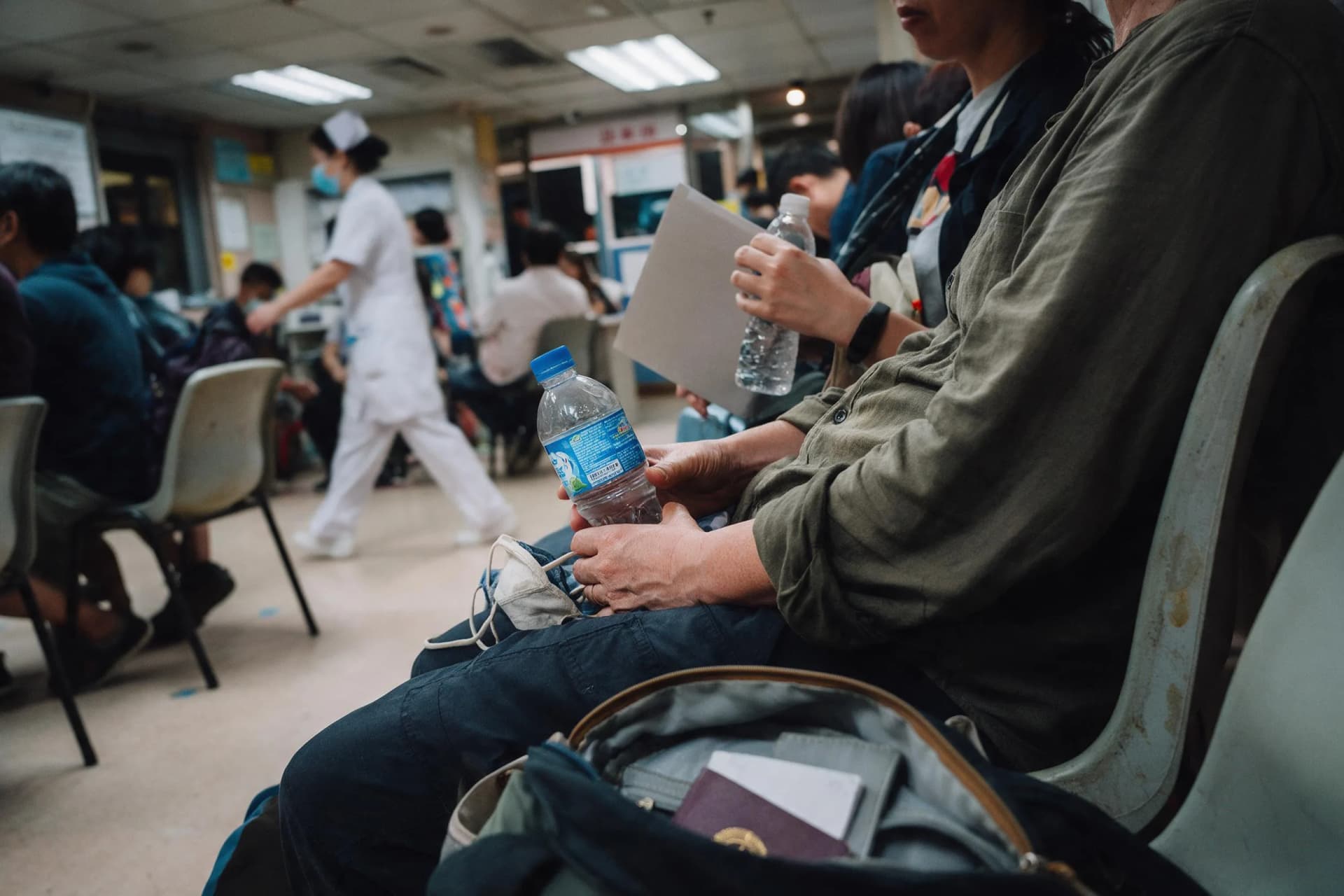
If you suspect food poisoning in China, do not wait for an English-speaking clinic when red flags appear. Go to the nearest emergency department for confusion, fainting, severe dehydration, bloody vomit or stool, severe pain, breathing trouble, or inability to keep fluids down for 24 hours. This 2026 decision guide separates emergency care from oral rehydration, explains what to bring and shows how to use 120.
With food poisoning in China, when to hospital is the urgent question: go now if you cannot keep fluids down for 24 hours, show severe dehydration, or have blood, confusion, severe pain, or a fever of 38.5°C (101.3°F) or higher. In November 2026, use the nearest emergency department; call 120 if transport is unsafe.
Picture a typical avoidable delay. A traveler wakes at 1 a.m. with vomiting and cramps, searches for the nearest English-speaking international clinic, and waits until morning. By then, a companion is confused, has not produced urine, and is too weak to stand. That is no longer a pharmacy problem. The useful decision is not “Which hospital has the most comfortable service?” It is “Does this person need emergency care now?” A distant clinic with fluent English is the wrong first stop when the patient has emergency signs.
Not every upset stomach is food poisoning. A suspect meal is a clue, not a diagnosis; symptoms can begin from roughly 1 to 72 hours later, so the last restaurant may not be responsible. Viral gastroenteritis, contaminated water, an allergy and a chemical exposure can look similar. Treat any of these as an emergency signal: bloody vomit or stool, green or blue-tinged vomit possibly from a chemical, severe one-sided or worsening abdominal pain, a stiff neck, confusion, fainting, breathing difficulty, double vision, difficulty swallowing, or very little urine. Fever plus a rapid decline also matters. Call 120 rather than taking a taxi alone if the person is confused, barely responsive, or may stop breathing.
If the traveler is alert, can swallow, and is not in a high-risk group, begin small, frequent sips of an oral rehydration solution. A pharmacy can usually supply sachets; unsweetened sports drinks are a fallback, not a perfect substitute. Avoid forcing large glasses that come straight back up. A 24-hour inability to keep fluids down is the practical point to seek urgent medical assessment for an adult traveler. Do not apply that adult timeline to a child. Infants, older adults, pregnant travelers and people with weakened immune systems should be assessed sooner, especially when they are sleepy, difficult to wake, have a dry mouth, or stop passing urine.
In mainland China, the emergency department is called 急诊, usually written at the hospital entrance and triage desk. Dial 120 for an ambulance; hotel staff, a guide or a nearby passerby can give the dispatcher the Chinese address and describe the symptoms. Bring a passport, insurance details, medication list and payment method. Ask the companion to stay, because someone with dehydration may worsen while waiting. In Shanghai, a traveler near People's Square should ask the hotel to identify the closest 24-hour emergency department rather than automatically crossing the city for an international clinic. The same logic applies in every mainland city: triage first, language support second.
Language does not have to block care. Show these two Chinese lines on your phone: “我可能食物中毒了,需要急诊。” (I may have food poisoning and need emergency care.) “我无法喝水,尿量很少。” (I cannot keep fluids down and have passed very little urine.) Add the patient's age, temperature, symptom start time and known medicines. Do not take anti-diarrheal medicine after bloody diarrhea or a high fever unless a clinician advises it, because slowing the gut can sometimes make an invasive infection worse. If a pesticide, cleaning product or wild plant may be involved, do not induce vomiting; call 120, keep the container or a photo, and say when the exposure happened.
Before leaving the hospital, ask for an itemized bill, diagnosis note and English discharge summary if available. Photograph each page and file a claim promptly; Chinese hospitals commonly expect payment at the point of care, with reimbursement handled by your insurer afterward. Save the restaurant name, meal time and photos of what was shared in case a doctor or public-health authority asks. Most people recover with rest and fluids, but the decision that protects a trip is recognizing when ordinary hydration is no longer enough. Put 120 and your insurer's emergency number in your phone before the next meal.
Good to know
- Emergency route
- Call 120 in mainland China and go to the nearest 24-hour emergency department (急诊) when red flags are present.
- Adult fluid red flag
- Do not wait beyond 24 hours if an adult cannot keep fluids down; children, older adults and pregnant travelers need a lower threshold.
- Fever marker
- A temperature of 38.5°C (101.3°F) or higher alongside worsening symptoms deserves urgent assessment, but it is not the only warning sign.
- Possible symptom timing
- Foodborne illness symptoms may begin roughly 1 to 72 hours after a suspect meal, so the most recent meal is not always the cause.
- Claim records
- Ask within 24 hours of care for an itemized receipt, diagnosis note and English discharge summary, then photograph all 3 documents.
Frequently asked questions
Can I treat food poisoning in China without going to hospital?
Yes, mild nausea or diarrhea can often be managed with small sips of oral rehydration solution and rest. Prompt hospital assessment is needed for red flags such as severe dehydration, bloody stool, confusion, severe pain, breathing trouble, or inability to keep fluids down for 24 hours.
When should a child with food poisoning see a doctor in China?
Seek urgent care sooner for a child, especially if the child is very sleepy, difficult to wake, has a dry mouth, passes little or no urine, has blood in stool or vomit, or cannot keep fluids down. Do not wait for the adult 24-hour timeline, and call 120 if the child is unresponsive.
Do Chinese hospitals accept foreign travel insurance?
Do not assume direct billing. Many hospitals expect payment at registration or discharge, so carry a card or enough accessible funds and claim reimbursement afterward. Confirm your insurer's emergency contact, keep every receipt and request a diagnosis note and itemized bill.
Should I take anti-diarrheal medicine after suspected food poisoning?
Avoid taking anti-diarrheal medicine without medical advice if you have bloody diarrhea, a high fever, severe abdominal pain or signs of dehydration. A pharmacist or clinician can decide whether it is appropriate after checking your symptoms, age, medicines and health conditions.
Keep exploring
Sources & verification
Sources used for this guide
Time-sensitive travel details can change. Reconfirm opening hours, prices and entry rules before departure.
- 1cdc.govcdc.gov
- 2nhs.uknhs.uk
- 3who.intwho.int
- 4china.usembassy-china.org.cnchina.usembassy-china.org.cn
- 5travel.state.govtravel.state.gov
Local operating context
ChinaMira Travel Team contributes local route and operating knowledge from China. This team byline identifies a real operating group rather than a fictional individual author.
Related journeys
Turn this guide into a real trip
These are currently bookable journeys selected from the place and theme of this guide. Availability is rechecked before display.
Beijing & the Wild Great Wall
Five unhurried days in the capital, pairing the Forbidden City and hutong life with a full day walking the unrestored ridges of Jinshanling.
5 days
Next departure: Mar 15, 2027
Xi'an: Terracotta Warriors & the Silk Road
Four days in the eastern gateway of the Silk Road — the Terracotta Army, the city wall and the food lanes of the Muslim Quarter.
4 days
Next departure: Apr 8, 2027
Plan this trip
Turn this guide into a practical itinerary
Send us the article as context. A ChinaMira specialist can check the route, dates, transport, tickets and the details that need local confirmation.