
China Sleeper Train: Upper or Lower Berth in 2026?
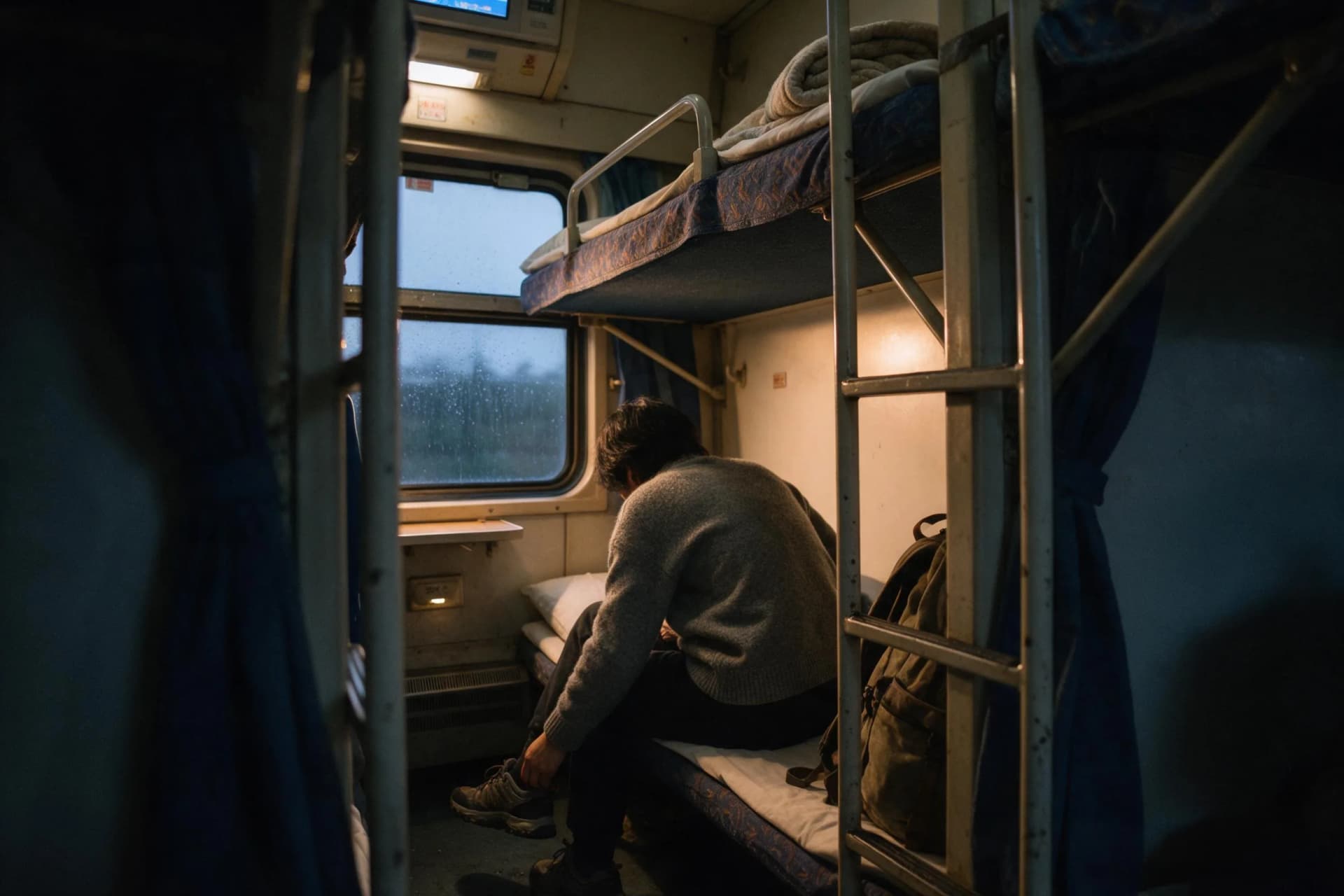
For most first-time travelers, the lower berth is the safer bet on a 2026 China sleeper train: it makes night toilets, daytime sitting and luggage handling easier. Choose upper only if you climb confidently, sleep through the night and travel light. This berth-level guide compares hard and soft sleepers, explains the fare and availability trade-offs, and uses a Beijing West–Xi’an journey to turn the choice into a clear booking plan.
The China sleeper train upper or lower berth decision has a clear answer for most first-time travelers in 2026: take the lower berth when you need easier night access, upright sitting or help with a heavy bag. Choose upper only if you climb confidently and travel light. A standard hard-sleeper bay has six berths.
Lower is not automatically better in every respect. It normally costs more within the same coach class because railway fares are separated by berth tier. The advantage is practical, not luxurious: you can sit upright, reach the corridor without a ladder and keep a larger bag nearby. The upper berth is usually cheaper and more removed from daytime activity. You must climb comfortably in dim light and keep water, medicine and your bag within reach.
China’s English labels describe two different rooms. A conventional hard sleeper holds six passengers in three tiers on both sides of an open bay, with no compartment door. That means two upper, two middle and two lower berths. A soft sleeper normally holds four people in two tiers inside a compartment that closes, so every passenger has either an upper or lower bed. Hard does not mean a bare board; the mattress and bedding are usable, but the bay is busier and less private. Lower berths in hard sleepers also become informal daytime seating, which is excellent when you want to read by the window but less peaceful if you hoped to nap through the afternoon.
Run a four-question test before accepting an assignment. First, can you climb a narrow ladder without needing both hands for someone else’s luggage? Second, will you need the toilet more than once overnight? Third, must you sit upright for a long waking period? Fourth, can you lift your main case onto an overhead rack by yourself? If the answers point toward poor balance, frequent night movement, sitting or heavy luggage, book lower. If you climb comfortably, sleep deeply, carry one small bag and want to reduce the fare, upper is reasonable. Answer for each traveler separately; a fit partner should not be treated as a human lift for someone who needs a lower bed.
Published fares normally place lower above middle and upper in hard sleeper, and lower above upper in soft sleeper. The exact gap changes with the train, route and class, so compare the live fare for your own date rather than applying a universal percentage. Inventory matters more than theory: two lower berths may not be released together, and a couple may face one lower plus one upper. If both travelers can climb, that split is often sensible. If one cannot do so safely, change the train, date or sleeper class instead of buying a bunk that turns a night of rest into a supervision task.
Pack around the berth, not around an optimistic idea of shelf space. An upper-berth traveler should keep one compact bag for the passport, phone, medicine, water and a light layer on the bunk, while the main case stays in a rack or under a lower berth if the actual compartment allows it. Do not assume that every suitcase will slide below every bed; inspect the booking photos and coach type when available, and be ready to use the aisle rack. Keep valuables with you, put a shoe or bag where you can find it in the dark, and avoid opening a large case above another passenger during the night.
A one-night Beijing West–Xi’an service makes the trade-off concrete. Imagine finishing a full day around Beijing’s central sights, boarding after dinner and waking near Xi’an’s old city. On that kind of tired arrival, a lower berth earns its premium: fewer ladder movements, an easier pre-dawn toilet trip and somewhere to sit while the carriage wakes. An upper berth can still work for a light-packing traveler who sleeps well and can climb with a day bag in hand. Check which Xi’an station your train uses before choosing a hotel, because older sleeper services often terminate away from the high-speed hub. Keep station navigation in the linked station guide and use this decision for the bed itself.
Children make berth suitability more important. China Railway’s fare rules use the child’s age on the travel date: one under-6 may accompany a fare-paying adult without a separate seat, ages 6–13 generally need a child ticket, and age 14 pays adult fare. A child who needs their own sleeping space should have a berth, and a family should not improvise one upper bunk as storage or a play area. The railway sets ticket rules, not a universal age for safe ladder use; the accompanying adult must judge balance, sleep behavior and supervision. When in doubt, keep the child on a lower berth beside an adult, or choose a soft-sleeper compartment.
Before paying, confirm three things: the coach type, the exact berth tier and whether every traveler can use the assigned bed independently. If a lower berth is unavailable, do not solve the problem by assigning upper to someone with poor balance or heavy luggage. Send ChinaMira your travel date, station pair, number of berths and each traveler’s climbing and night-access needs. We can shortlist departures with a realistic berth mix, flag children’s fares and turn the upper-or-lower question into a booking you can board with confidence.
Good to know
- Hard and soft sleeper layouts
- A conventional hard sleeper has 6 berths in 3 tiers within an open bay; a conventional soft sleeper has 4 berths in 2 tiers within a closing compartment.
- Practical lower-berth default
- Choose lower for any 1-night trip involving frequent toilet access, upright sitting, limited balance or a main bag that the traveler cannot lift alone.
- Fare tiers within a class
- Hard sleepers normally publish 3 berth prices and soft sleepers 2; lower usually costs more than upper. Compare the live route and date rather than assuming a fixed gap.
- Booking window to verify
- 12306 tickets are typically released 15 days before departure, but berth choice is not always guaranteed. Check the exact release date, preference and final berth assignment.
- Beijing West–Xi’an test route
- On a 1-night older sleeper service, a tired traveler with a full-size case should prioritize lower; a light-packing sleeper who climbs well can use upper.
- Bunk-bag preparation
- Keep 1 small bag on the berth and test the main case against the available under-bed or overhead space before departure; do not assume it will fit.
Frequently asked questions
Is an upper or lower berth better on a China sleeper train?
For most first-time travelers, lower is better: it is easier at night, lets you sit upright and keeps luggage within reach. Choose upper only when you climb confidently, sleep through the night and can manage a small bag without help.
Can I choose an upper or lower berth on 12306?
A berth preference is not guaranteed on every train or booking flow. If a choice appears, treat it as a request, then check the final coach and berth before travel. If the assigned bunk does not suit you, ask about a change subject to remaining inventory.
Are lower berths more expensive than upper berths in China?
Usually yes. Within the same sleeper class, lower berths carry a higher published fare than upper berths, with a middle tier also used in hard sleepers. Compare the exact route, train and travel date before booking.
Is an upper berth safe for a child in China?
China Railway does not set a universal age for upper-berth use, so the accompanying adult must judge the child’s balance, night habits and ability to follow instructions. A lower berth beside an adult is usually the simpler choice, especially for a young or restless sleeper.
Should a couple book one lower and one upper berth?
That split works well when both travelers can climb and neither needs help overnight. If one partner has balance issues, frequent bathroom needs or a heavy case, wait for two lowers or book a later departure rather than treating the climb as a shared task.
Keep exploring
Sources & verification
Sources used for this guide
Time-sensitive travel details can change. Reconfirm opening hours, prices and entry rules before departure.
- 112306.cn12306.cn
- 212306.cn12306.cn
- 3china-railway.com.cnchina-railway.com.cn
- 4nra.gov.cnnra.gov.cn
Local operating context
ChinaMira Travel Team contributes local route and operating knowledge from China. This team byline identifies a real operating group rather than a fictional individual author.
Plan this trip
Turn this guide into a practical itinerary
Send us the article as context. A ChinaMira specialist can check the route, dates, transport, tickets and the details that need local confirmation.