
China Train Tickets for Children: What Age, ID and Seat Rules Apply in 2026?
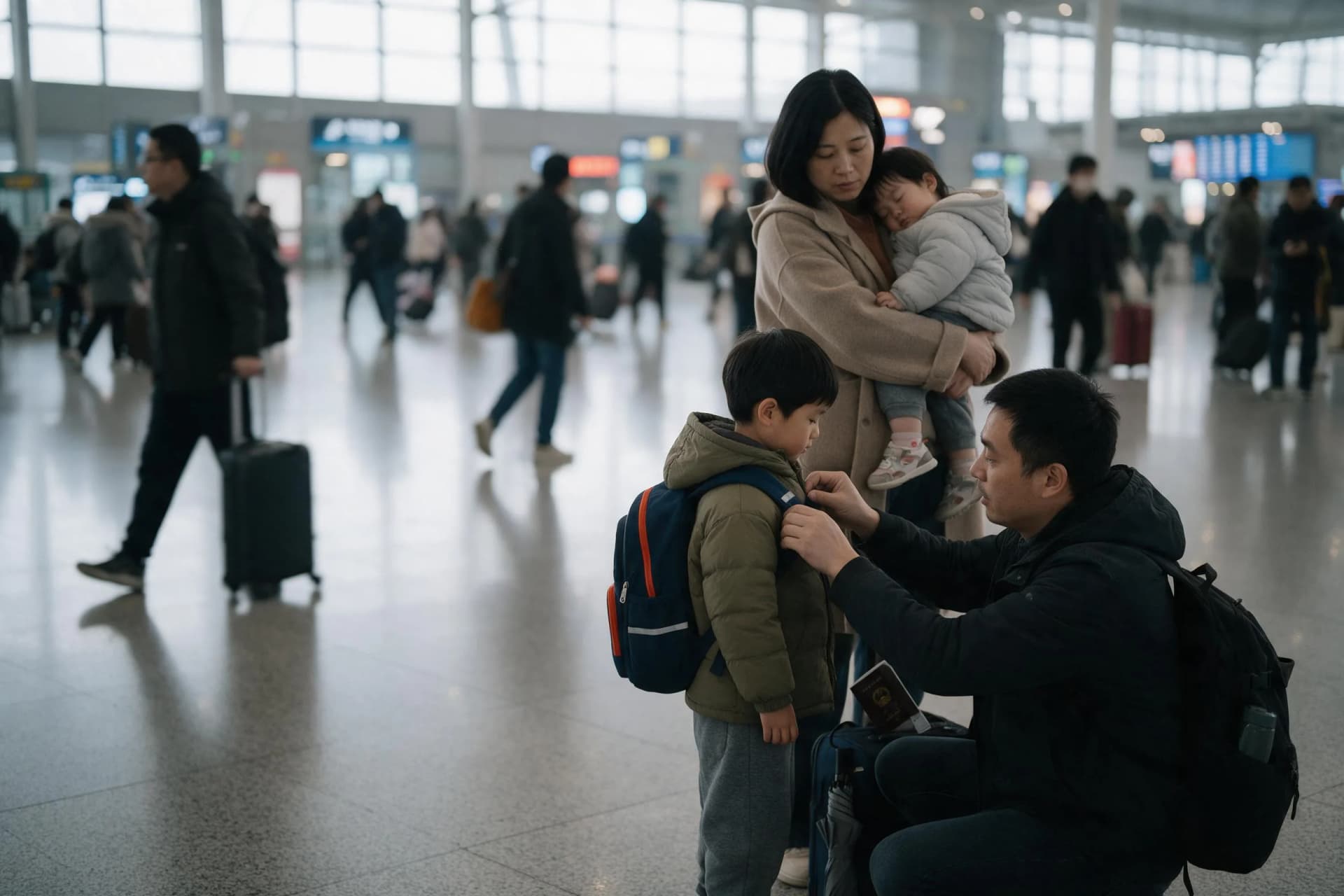
China train tickets for children follow age-based rules: under 6 may share an adult seat free, ages 6–13 pay a child fare, and age 14 pays adult fare. This guide uses a two-adult, two-child booking to explain passport registration, the one-free-child limit, and when a paid seat is worth buying.
In 2026, children under 6 ride free on China trains only when sharing a fare-paying adult’s seat; ages 6–13 need a discounted child ticket, while age 14 pays adult fare. Each adult may bring one free under-6. Register every child with the passport used for travel, even when no separate ticket is issued.
The useful test case is two adults, a 5-year-old and an 8-year-old boarding a high-speed train. The 8-year-old needs a child ticket. The 5-year-old can travel without a seat, but only as one adult’s accompanying free child; if each adult looks after one child, that arrangement works. Add a second under-6, and one of the youngest children needs a paid child seat because one adult cannot claim two free children. The same rule applies when a 5-year-old has a seat of their own: comfort triggers a ticket, regardless of age.
Use the child’s age on the travel date, not height and not the age entered months earlier into an app profile. A 5-year-old who turns 6 before the return journey should be treated as 6 for that later ticket. This matters on split itineraries: the outbound leg may show a free accompanying child, while the return requires a child ticket. Recheck the passenger type for every sector rather than duplicating the first booking. A 13-year-old can finish a trip on a child fare, but a ticket dated from the 14th birthday moves to adult pricing.
Identity is the part families most often blur. A foreign child should be declared with their own passport, using the name and number exactly as printed. Do not put the parent’s passport in a child profile or shorten a long name to fit a familiar pattern. The passport functions as the electronic ticket, including for many free under-6s, so carry the original document rather than only a phone photo. At the station, use the staffed passport lane when the automatic gate will not accept a foreign document. If a child’s passport has been renewed, resolve the mismatch through the official booking channel or a staffed railway ticket office before departure; do not assume that carrying both passports guarantees entry.
On the official 12306 website or app, build the traveler list before the booking window. Tickets usually open 15 days before departure, but the release hour can differ by station, so check the exact date and local opening time. Add every adult and every ticketed child, confirm the passport verification status, then link a free under-6 where the booking flow asks for the accompanying child. Save the route with full station names. A family traveling from Shanghai Hongqiao should not accidentally search Shanghai Railway Station, and Hangzhou East is distinct from Hangzhou’s older station.
Use this one fare comparison for planning rather than treating it as a live quote. For 45–60-minute second-class trips between Shanghai Hongqiao and Hangzhou East in 2026, use rounded USD planning bands: an adult about $10–$14, a child aged 6–13 about $5–$7, an under-6 sharing an adult seat $0, and an under-6 with their own child seat about $5–$7. These are USD estimates, not converted ticket prices; train type, date and seat class move the displayed fare. For that short ride, a lap may be tolerable. For a journey over about 90 minutes, a nap-dependent toddler, or two children likely to need personal space, the paid seat is usually the better family purchase.
Seat type changes the decision more than the discount does. Second class normally places three seats on one side of the aisle and two on the other, so four travelers can land in one row while still being split across the aisle. Try to keep each free child beside the adult to whom the child is linked, and keep passports in one adult’s zipped pocket. Reserve adjacent seats where available, but check the final assignment rather than trusting that a family booking will be grouped. Arrive 60–90 minutes before departure at a major station with children; allow time for security, passport inspection and the walk to the correct waiting area. Boarding commonly closes about five minutes before departure.
The strongest tradeoffs are straightforward. With one adult and two under-6s, only one child can occupy the free accompanying place; buy a child seat for the other. With two adults and two under-6s, two free children are possible, but a four-hour ride makes two shared seats a poor bargain. If a birthday falls during the trip, price each leg by its travel date, and if passport renewal is pending, settle the new document before booking. Then add every child to the traveler list, verify the passport, set a reminder for the 15-day window, and book the seat your family can actually occupy. Send ChinaMira the exact travel dates, children’s birth dates, passport status and preferred train times; we can turn those variables into a clear seat-by-seat booking instruction.
Good to know
- Age bands on the travel date, 2026
- Under 6: free without a separate seat; ages 6–13: discounted child ticket; age 14 and older: adult fare. Age is assessed per journey date.
- Free-child and seat limit
- 1 under-6 per fare-paying adult may travel without a separate seat. A second under-6, or any under-6 needing a seat, requires a child ticket.
- Passport and gate rule
- Register 1 passport per child, including a free under-6, with the exact printed name and number. Carry the original and use the staffed lane if needed.
- Sample second-class fares, 2026
- Shanghai Hongqiao–Hangzhou East, 45–60 minutes: adult about $10–$14; child aged 6–13 about $5–$7; under-6 sharing a seat $0; under-6 with own seat about $5–$7. USD planning bands only.
- Booking window
- Tickets normally open 15 days before departure. Release time varies by departure station, so verify the exact date and hour on the official booking channel.
- Station buffer for families
- Arrive 60–90 minutes early at a major station; boarding commonly closes about 5 minutes before departure. Keep every passport accessible for security and gate checks.
Frequently asked questions
Do children need their own train ticket in China?
Children aged 6–13 need a discounted child ticket, and travelers aged 14 or older pay the adult fare. An under-6 can travel without a separate seat when accompanying a fare-paying adult, but needs a child ticket if the child will occupy a seat.
Is the China child train fare based on age or height?
The current rule is based on age: under 6, ages 6–13 and age 14 or older. Use the child’s age on each travel date, because a birthday during a multi-leg trip can change the passenger category for the later train.
What ID should a foreign child use for a China train?
Use the child’s own passport and enter the name and passport number exactly as printed. Carry the original passport to the station, use a staffed lane if the automatic gate rejects it, and keep the same document linked to every ticket.
Can an under-6 travel free without a seat?
Yes, subject to the railway’s accompanying-adult limit. Each fare-paying adult can normally bring one under-6 without a separate seat. A second free child, or any under-6 who needs a seat, requires a child ticket.
What if my child turns 6 before the return train?
Treat the return journey according to the age on that travel date. If the child turns 6 before the later train, book the appropriate child ticket for that leg rather than copying the free-child arrangement from the outbound booking.
Keep exploring
Sources & verification
Sources used for this guide
Time-sensitive travel details can change. Reconfirm opening hours, prices and entry rules before departure.
- 112306.cn12306.cn
- 2china-railway.com.cnchina-railway.com.cn
- 3nra.gov.cnnra.gov.cn
Local operating context
ChinaMira Shanghai Guide Team contributes local route and operating knowledge from Shanghai. This team byline identifies a real operating group rather than a fictional individual author.
Related journeys
Turn this guide into a real trip
These are currently bookable journeys selected from the place and theme of this guide. Availability is rechecked before display.
Plan this trip
Turn this guide into a practical itinerary
Send us the article as context. A ChinaMira specialist can check the route, dates, transport, tickets and the details that need local confirmation.