
Travel Guide
Kashgar 3-Day Itinerary 2026: Old Town, Livestock Bazaar and Night Train
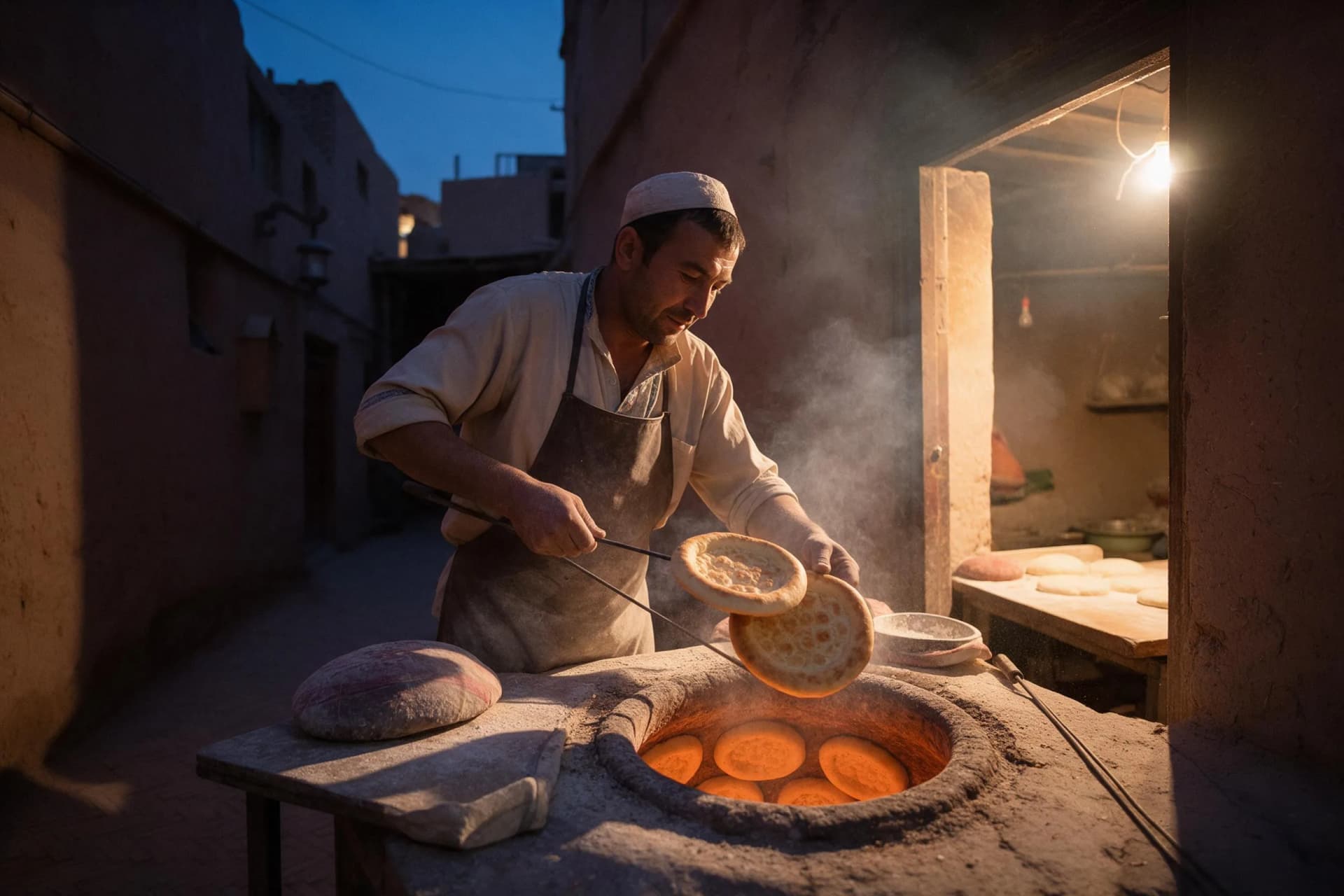
Three days in Kashgar fits the Old Town, Id Kah Mosque and one market morning, as long as your dates include a Thursday or Sunday. This 2026 itinerary sets out each day in order, with the livestock bazaar hours, tomb and teahouse prices, the Z6516 night train from Urumqi, and the practical notes that make the far west easy.
Three days in Kashgar is enough for the Old Town, Id Kah Mosque and the livestock bazaar, provided your dates include a Thursday or Sunday, when the bazaar opens. Budget CNY 80-150 a day, sleep inside the Old Town, and arrive on the Z6516 night train from Urumqi, 11 hours 30 minutes, hard sleeper from CNY 317.50.
Kashgar sits at 1,270 meters on the western edge of the Tarim Basin, closer to Bishkek than to Beijing, and it has traded in this spot for more than 2,000 years because the Kaxgar River puts an oasis here. You arrive by rail or by air, but the city still runs on its own clock: Beijing time is official, yet daily life runs about two hours later, so dinner at 21:00 is normal and a July sunset can arrive after 22:00. That gap is the trick of a three-day visit. Mark your market days first, then build everything else around them, and let the afternoons go long over tea instead of sprinting between gates.
Day one belongs to the Old Town, on foot. Start at Id Kah Mosque on its central square: completed in 1442, covering about 16,800 square meters and holding up to 20,000 worshippers, it is the largest mosque in China, and visitors pay CNY 20 for a listed window of 08:50-10:00. Fridays are for prayer, so plan around them. Then lose yourself in the Old Town, 4.25 square kilometers of adobe lanes threaded with more than 200 alleys; the hexagonal paving tiles are a local navigation code, and four-cornered tiles lead to a dead end. Around 15:00, climb to the Century-old Teahouse on Wusitangboyi Road, about 200 meters from the mosque, and share a pot of Fu brick tea at CNY 20-50 with refills while the musicians play. Eat at the night market opposite the mosque, which starts about 19:00: lamb skewers at CNY 3-6 a stick, polo at CNY 20-30, naan at CNY 2-6.
Day two is your market day, and it only works if you are in town on a Thursday or Sunday. The livestock bazaar on the northwest edge along National Highway 314, roughly 10 kilometers from the Old Town, opens every Thursday and Sunday from 10:00 to 20:00, a change that took effect on May 14, 2026, and entry is free. Traders arrive early, so aim for 08:30-09:30, when the pens are full of sheep, cattle and horses, the bargaining is loud, and the kebab smoke is thickest. A taxi takes 30-40 minutes and costs CNY 30-50 one way, so agree on a 90-minute wait for the return, because rides back are scarce. In the afternoon, take bus 20 five kilometers northeast to the Abakh Khoja Tomb, also called the Afaq Khoja Mausoleum, built around 1640 and the holiest Muslim site in Xinjiang: CNY 30, a 17-meter dome, and the tombs of 72 members of one family. Wash off the dust with a bowl of thick yogurt and a plate of laghman at CNY 18-32.
Day three is for the bazaars and the slower side of the city. Kashgar's Grand Bazaar, the Central Asia International Grand Bazaar, holds more than 5,000 booths and is free to walk; go in the morning for dried fruit, carpets and knives, then follow Kumu Dahl Vazha Road for the copper shops and instrument makers, and the hat bazaar for a four-cornered doppa. If you would rather have mountains, Karakul Lake sits 191 kilometers south on the Karakoram Highway, a 3.5-to-4-hour drive each way with a CNY 10 border permit at the checkpoint, so treat it as a fourth day rather than a third. Either way, end at the teahouse or a rooftop table as the light turns amber, with a last dinner of samsa at CNY 4-8 and a slice of melon.
Four practical notes make the three days run smoother. Entry: US passport holders need a Chinese visa for Xinjiang, and the 240-hour visa-free transit does not cover the region, so apply four to six weeks before departure and carry your passport for hotel registration. Money: Alipay and WeChat Pay work at almost every stall, but the livestock bazaar's signal is patchy, so keep CNY 100-200 in small notes. Dress and etiquette: cover shoulders and knees at Id Kah, remove shoes in the prayer hall, and expect no pork and little alcohol, because the city is overwhelmingly Uyghur and Muslim. Timing: April to May and September to October bring mild days and the fruit harvest, while July and August are hot and December to February is cold and quiet.
Base yourself inside or beside the Old Town so dinner and the evening lanes are a short walk from your door, and book sleeper berths and flights several weeks ahead for July, August and the National Day week, when trains and discounted airfares fill fastest. Our Kashgar travel guide goes deeper on the city, the getting-there guide explains every airport transfer and train, and the food guide prices the stalls. Tell ChinaMira your dates and your pace, and our Xinjiang specialists will time your visit to a Thursday or Sunday market, reserve the berth, and build the far-west stretch around your trip.
Good to know
- Getting there
- Urumqi to Kashgar is 1,475 km: train Z6516 departs Urumqi at 20:40 and arrives at 08:10 the next morning, 11 hours 30 minutes, with hard sleepers at CNY 317.50-436 and soft sleepers at CNY 484.50-497.50. Flights take about 2 hours and cost CNY 600-1,200 in season; Kashgar Laining Airport is 10 km north of the Old Town, with a CNY 10 shuttle.
- Best months and the two-clock day
- April-May and September-October are mild, clear and dry; July-August is hot and December-February is cold and quiet. Xinjiang keeps Beijing time officially but daily life runs about two hours later, so dinner at 21:00 is normal and July sunsets can come after 22:00.
- Old Town, Id Kah Mosque and teahouse
- Id Kah Mosque, completed in 1442 and covering about 16,800 square meters, charges visitors CNY 20 with a listed window of 08:50-10:00 and is closed to visitors on Fridays for prayer. The Old Town covers 4.25 square kilometers with more than 200 alleys and is free to walk; the Century-old Teahouse on Wusitangboyi Road charges CNY 20-50 for a pot of tea, best from 15:00-18:00, and the night market opposite the mosque starts about 19:00.
- Livestock bazaar
- About 10 km northwest of the Old Town along National Highway 314. Since May 14, 2026 it opens Thursdays and Sundays from 10:00 to 20:00 with free entry; trading peaks between 08:30 and 09:30. A taxi takes 30-40 minutes and costs CNY 30-50 each way, so agree on a 90-minute wait for the return.
- Abakh Khoja Tomb
- The Afaq Khoja Mausoleum, built around 1640, is 5 km northeast of the center and reached by bus 20. Entry is CNY 30, hours are listed as 09:30-21:30, and the site has a 17-meter dome over the tombs of 72 members of five generations of one family.
- Bazaars and daily budget
- The Central Asia International Grand Bazaar holds more than 5,000 booths and is free to enter. Food runs CNY 80-150 a person a day: lamb skewers CNY 3-6 a stick, polo CNY 20-30, laghman CNY 18-32, samsa CNY 4-8, naan CNY 2-6. Carry CNY 100-200 in small notes because bazaar signal is patchy.
Frequently asked questions
Is three days enough for Kashgar?
Three days covers the Old Town, Id Kah Mosque, the Century-old Teahouse and one livestock-bazaar morning, and it fits comfortably if your dates include a Thursday or Sunday. Add a fourth day for Karakul Lake, 191 kilometers south on the Karakoram Highway and about 3.5 to 4 hours each way by road.
When is the Kashgar livestock bazaar open, and what does it cost?
Entry is free, and since May 14, 2026 the livestock bazaar opens every Thursday and Sunday from 10:00 to 20:00. It sits about 10 kilometers northwest of the Old Town along National Highway 314, a 30-40 minute taxi ride that costs CNY 30-50 each way; arrive between 08:30 and 09:30, when trading peaks.
How do I get from Urumqi to Kashgar?
Eleven hours 30 minutes on train Z6516, which leaves Urumqi at 20:40 and arrives in Kashgar at 08:10 over 1,475 kilometers, with hard-sleeper berths at CNY 317.50-436 and soft sleepers at CNY 484.50-497.50. Flights take about two hours and cost CNY 600-1,200 in season.
When is the best time to visit Kashgar?
April to May and September to October bring mild days, clear skies and the fruit harvest, with comfortable temperatures for walking. July and August are hot and dry, December to February is cold and quiet, and the two-clock day means summer sunsets can arrive after 22:00.
Do US citizens need a visa to visit Kashgar in 2026?
Four to six weeks before departure is the right time to apply: US passport holders need a Chinese visa, and Xinjiang is not one of the 24 provinces covered by the 240-hour visa-free transit. Carry your passport for hotel registration and for a border permit if you continue toward the Pamir.