
Can an Autistic Child Travel to China in 2026? 70°C Safety Plan
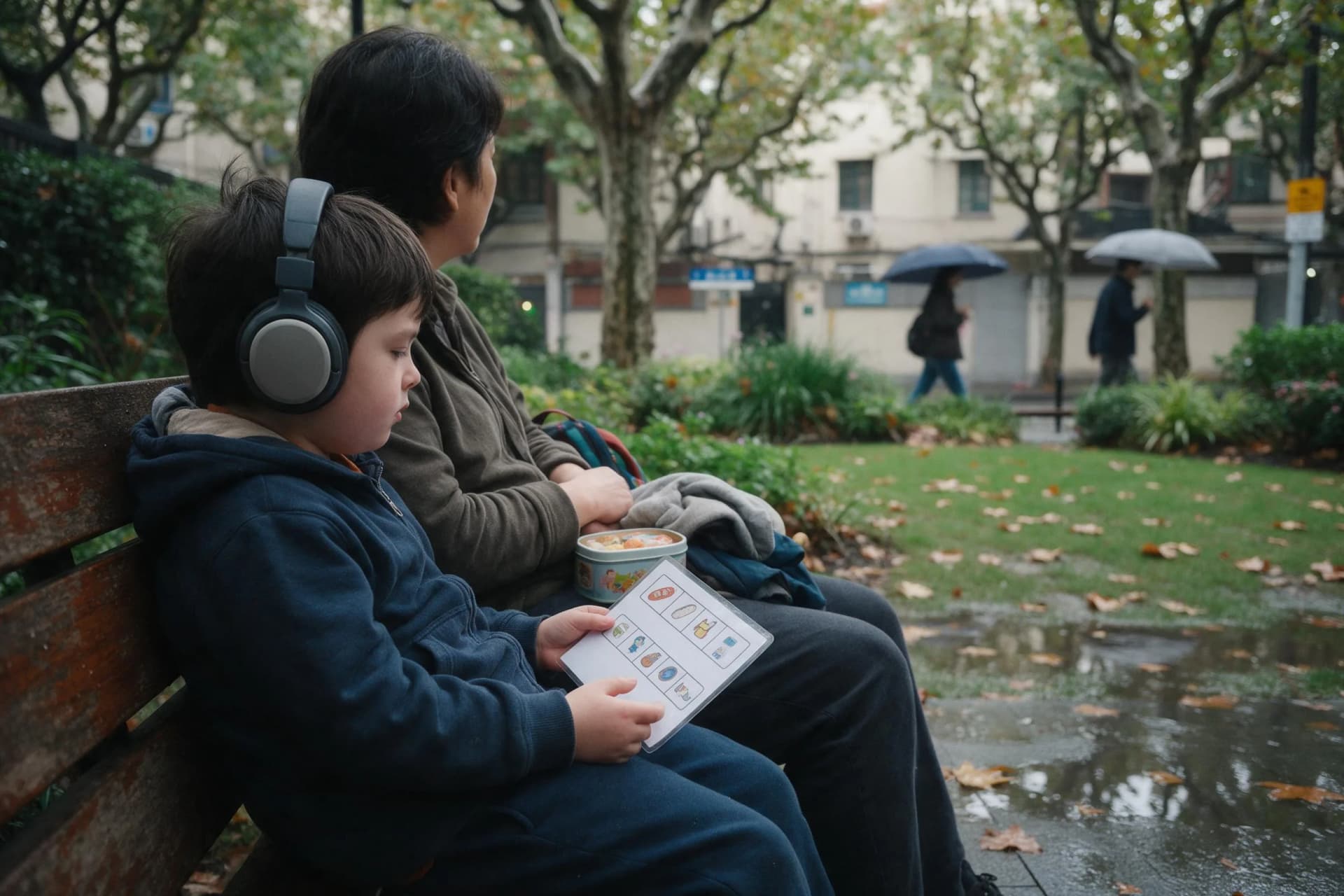
A practical 2026 guide for parents and carers planning China with an autistic child. It turns overload triggers, elopement risk and food preferences into one low-transfer base, named quiet exits and a written support brief. It also explains child train fares, Shanghai airport timing, local restraint rules and the 70°C formula step.
Traveling in China with an autistic child is feasible in 2026 if each day has a quiet exit, a familiar food backup and one low-transfer base. Plan 4–7 days, budget $120–$220 per day on the Nov. 27, 2026 PBoC-rate basis, and follow 70°C (158°F) mixing guidance when powdered formula is part of the routine.
Picture the first morning. A family reaches a famous entrance at 09:40, finds a 35-minute security queue and realizes the nearest place their child can recover is a crowded gift shop. The location is impressive; the plan is not. A better trip begins with a different unit of planning: the exit. Before choosing an attraction, name the calm doorway, park corner or hotel room the child can reach within 10–15 minutes.
Use one base for four to seven nights, with no more than one major outing on an arrival day and one quieter day after every two active days. Shanghai works as a first test because parks, museums and a compact hotel area offer low-pressure options. At Pudong Airport, a prebooked car to a central hotel takes 45–75 minutes; allow $65–$120, checked Nov. 27, 2026 on the People's Bank of China reference-rate basis and quoted in USD only.
A realistic Shanghai day can start at 09:00 beside a neighborhood park, return to the room by 11:30, protect 12:00–14:00 for food and decompression, and add one short museum or riverside stop at 15:00. Finish by 17:00. That schedule leaves room for a delayed taxi, a wet bench or a sudden need to leave. It also gives the child a predictable sequence without pretending that every day must look the same.
Replace “autism-friendly hotel” with precise questions: - Is the room away from lifts, function rooms and the street? - Can housekeeping wait and staff avoid unexpected room entry? - Is there a continuous lift route from the vehicle drop-off? - Are blackout curtains and a controllable thermostat fitted? - Can the hotel store familiar food in a guest-accessible fridge? - Is a later checkout available if the morning collapses? A written reply beats a star rating because it names details a tired child notices.
Prepare a one-page support profile: communication method, sensory triggers, early warning signs, calming actions, foods that work, medicines, elopement risk, and two emergency contacts. Describe what helps rather than leading with a diagnosis. For example: “Uses short spoken instructions; noise causes distress; needs 10 minutes in a low-traffic corner; may run when startled.” Carry a Chinese translation and give it to the guide and hotel only with the family's consent. A guide is not automatically trained as a carer, so personal-care or vigilance duties must be agreed explicitly.
Transport is a seat-and-wait decision. For a 45–75-minute rail ride with a regulated, train-loving child, rail can be easier than a car. For a child who cannot queue or tolerate a crowded concourse, book a private car door to door. On China trains in 2026, under-6s travel free without a separate seat when sharing a fare-paying adult's seat; ages 6–13 need a child ticket, and age 14 pays adult fare. Buy the under-6 a seat beyond roughly 90 minutes, and carry every original passport. Keep station mechanics in our linked boarding guide.
Road transfers need a proper child restraint. The US National Highway Traffic Safety Administration advises choosing a seat by the child's weight and height within the manufacturer's limits, using rear-facing, forward-facing harness or booster mode as appropriate, and checking the final belt fit. Name that standard in every vehicle brief. Shanghai's revised minors-protection regulation, effective March 1, 2022, also requires an appropriate child safety seat for a child under 4 traveling in a private passenger car. That local rule does not mean a street taxi will arrive with equipment, so confirm the seat model and installation in writing before paying.
Food can be planned without turning every meal into a negotiation. Build a short safe list—plain rice, noodles, steamed buns, eggs, fruit, yogurt and one protein the child accepts—and ask for those items without sauce or chili. A translated card should separate preferences from allergies and explain cross-contact needs. Buffets are riskier when hot holding or utensils are unclear; ordering freshly cooked food gives the kitchen a direct instruction. If a young child's routine includes powdered formula, boil the water and let it cool to no less than 70°C (158°F) before mixing, then cool the feed. That 70°C step is formula-safety guidance, not a rule for every dish.
Wandering deserves a plan that does not depend on constant adult attention. Put the child's name, guardian phone number, hotel address and communication needs on a card kept with the child, with a second copy in an adult's bag. Photograph the child that morning, agree on one visible meeting point before entering, and teach a simple Chinese phrase for “I am lost” if the child can use it. A tracker adds information but cannot supervise. In an emergency, call 110 for police and 120 for an ambulance.
China can offer a rich trip when the itinerary protects recovery rather than treating it as lost sightseeing time. Start with clinical and sensory limits, choose one base, write the quiet-exit route into every day, and make transport and food decisions from those limits. Send ChinaMira the travel month, support profile and any rail legs; we can then build a low-transfer plan with named backups.
Good to know
- Trip length and pace
- Plan 4–7 nights in 1 base, with no more than 1 major outing per day and 1 quieter recovery day after every 2 active days.
- Daily quiet-exit standard
- Name a calm exit within 10–15 minutes before entering a site, and stop the visit after 60–90 minutes when overload cues appear.
- Shanghai airport example
- Pudong Airport to central Shanghai takes about 45–75 minutes by prebooked car; allow $65–$120, checked Nov. 27, 2026 on the PBoC reference-rate basis and shown in USD only.
- China train child fares, 2026
- Under 6: free without a separate seat when sharing a fare-paying adult's seat; ages 6–13: child ticket; age 14 and older: adult fare. Carry the original passport.
- Child restraint check
- Follow NHTSA weight, height and vehicle-fit guidance. Shanghai requires an appropriate seat for a child under 4 in a private passenger car; confirm the actual seat and installation with the operator.
- Formula and emergency numbers
- For powdered formula, mix with water cooled to at least 70°C (158°F), then cool before feeding. Police: 110; ambulance: 120.
Frequently asked questions
Can autistic children travel to China?
Yes, many autistic children can travel in China when the itinerary limits transfers, provides a familiar retreat and prepares staff with a concise support profile. A clinician should assess any significant medical, aggression or wandering risk before a long flight.
Should we tell hotels and guides that our child is autistic?
Share only the information needed to make the stay safer and calmer, such as communication style, sensory triggers and wandering risk. Ask the hotel to reply in writing with room location, lift access and housekeeping arrangements rather than accepting a vague “family-friendly” promise.
Are China attractions autism-friendly?
There is no consistent autism-access standard across Chinese attractions. Ask each venue about timed entry, queue length, re-entry, a quiet waiting area and the nearest exit, then plan around those answers instead of assuming a diagnosis will provide priority access.
What should we plan for train travel with an autistic child?
Decide by waiting tolerance and seat needs, not by train speed alone. Compare a private car with rail, book adjacent seats and carry every passport. Children under 6 may share an adult seat free, but buying a seat can be the better choice for a long or crowded journey.
How do we handle a picky eater in China?
Create a short list of familiar, plainly prepared foods and carry a translated card covering both sensory preferences and allergies. Ask for freshly cooked dishes and avoid unclear buffets. If powdered formula is used, follow the 70°C mixing step and the product's preparation instructions.
Keep exploring
Sources & verification
Sources used for this guide
Time-sensitive travel details can change. Reconfirm opening hours, prices and entry rules before departure.
- 1who.intwho.int
- 2who.intwho.int
- 3nhtsa.govnhtsa.gov
- 412306.cn12306.cn
- 5english.shanghai.gov.cnenglish.shanghai.gov.cn
- 6pbc.gov.cnpbc.gov.cn
Local operating context
ChinaMira Travel Team contributes local route and operating knowledge from China. This team byline identifies a real operating group rather than a fictional individual author.
Plan this trip
Turn this guide into a practical itinerary
Send us the article as context. A ChinaMira specialist can check the route, dates, transport, tickets and the details that need local confirmation.