
Xinjiang Route Planning: North, South and Silk Road Choices in 2026
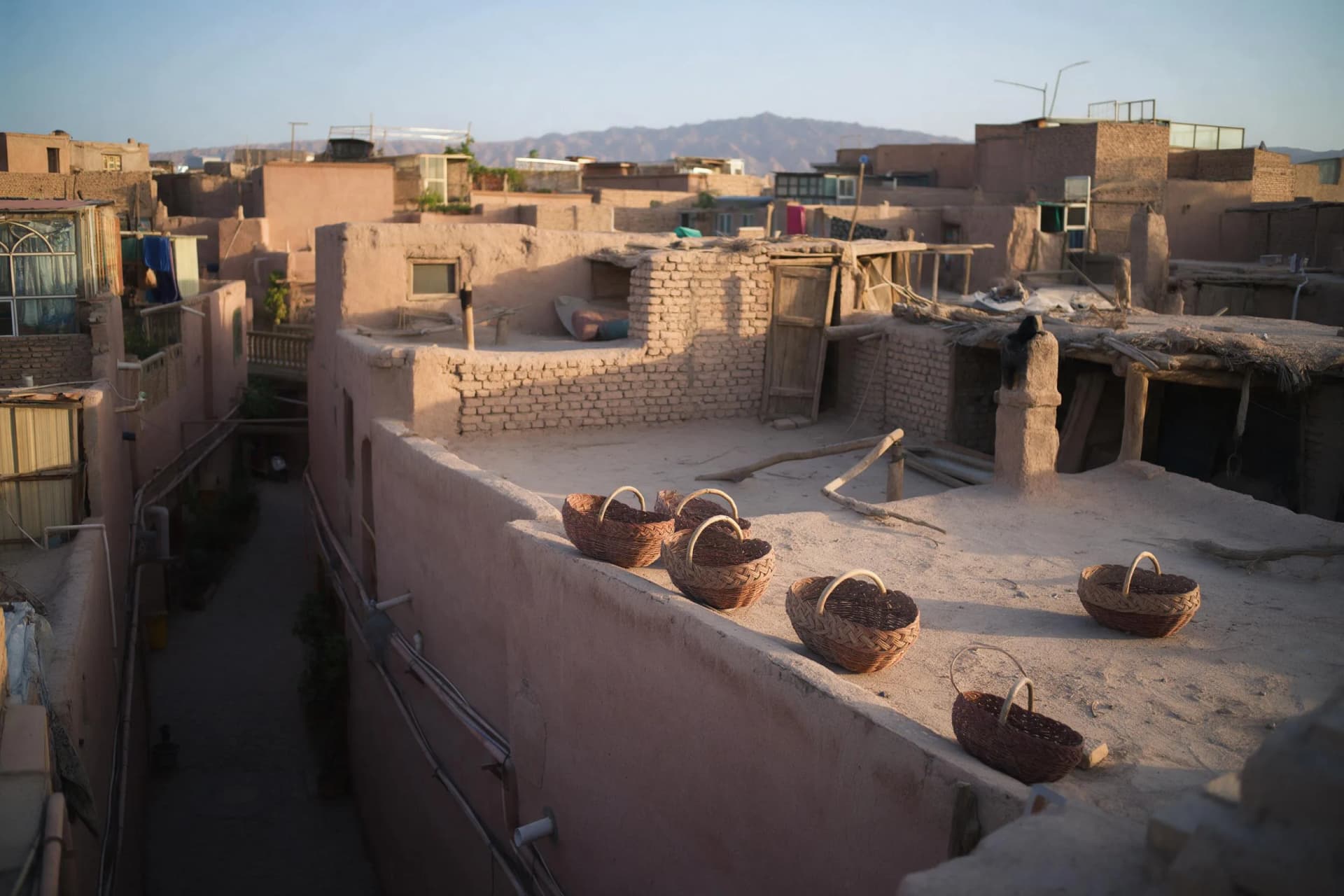
For a first Xinjiang trip, choose either the north for lakes, grasslands and mountain scenery or the south for Kashgar, Silk Road culture and desert landscapes. Do not try to cover both in 7-8 days. Plan 10-14 days for a one-region route, build in long driving days and verify passport, permit and nationality requirements before purchasing flights.
For a first Xinjiang trip, choose either the north for lakes, grasslands and mountain scenery or the south for Kashgar, Silk Road culture and desert landscapes. Do not try to cover both in 7-8 days. Plan 10-14 days for a one-region route, build in long driving days and verify passport, permit and nationality requirements before purchasing flights.
Urumqi is the main air hub; Kashgar and other cities have useful regional flights and rail. Xinjiang is huge, and a road that looks short on the map can consume a large part of the day. Domestic flights save distance but may be affected by weather or schedule changes. Confirm whether your nationality or itinerary requires additional permits and which areas are open to foreign visitors. Carry the original passport and keep all bookings consistent.
Late spring to early autumn is the main travel window for many northern scenic areas, while southern cities can be more flexible across the year. July and August can be hot and busy, and festival dates can change demand. The best month depends on the route: flowers, fruit, autumn color and snow all occur in different places. Verify road and park operations close to departure instead of relying on an annual summary.
Kashgar and other Silk Road cities are living cultural centers. Ask before photographing people, markets and religious spaces, and avoid treating minority dress or daily life as costume. Follow mosque etiquette, keep voices low and respect photography restrictions. Food is a central part of the journey; confirm ingredients for halal or allergy needs. Use a local guide who can translate and explain context rather than collecting imagery without consent.
Photography travelers should plan for dawn and dusk but also limit long transfers. Families need realistic vehicle time, toilet stops and child-friendly accommodation. Travelers seeking Silk Road history should spend more time in Kashgar and selected museums rather than adding scenic stops solely for photographs. Accessibility outside major hotels can be limited, so request specific vehicle and hotel checks.
The most common mistakes are underestimating distance, assuming every region is open without verification and booking a route that ignores permits or nationality rules. Confirm operator licensing, vehicle insurance and emergency support. Keep a paper copy of passport and itinerary. If a route changes because of weather or access restrictions, accept the local advice; do not pressure a driver to continue into a closed area.
Compare the north and south by travel style. The north rewards mountain scenery, lakes and outdoor time but depends heavily on road conditions and season. The south offers Silk Road history, bazaars, architecture and desert landscapes, with Kashgar as a natural base. A first trip should not attempt Kanas, Turpan and Kashgar in one week.
Define what has been verified in writing: passport nationality, route, permitted areas, guide and vehicle. Keep one offline copy of the itinerary and emergency contacts. Carry sun protection, layers and prescribed medicine, and do not assume major-city healthcare is immediately available on remote stretches.
Build the transport plan around one realistic arrival, one primary route and one contingency. A short line on a map can become a half-day transfer in mountains, traffic or bad weather, so ask suppliers for door-to-door time rather than distance alone. Confirm luggage capacity, child-seat availability and whether the driver is licensed for commercial passengers. Avoid unprotected same-day connections between an international flight and a remote transfer; an overnight buffer near the airport or railway station is usually cheaper than rebuilding a disrupted itinerary.
Use a planning budget that separates transport, accommodation, tickets, food, guides and insurance. Customer-facing ChinaMira prices are shown in USD; if Alipay, WeChat Pay or bank transfer is selected, the relevant CNY amount appears at checkout or on the invoice in smaller type. Do not judge a service only by its headline price. Check inclusions, cancellation terms, guide language, vehicle age, medical support and emergency procedures. Pay through verified company channels and independently confirm any change of bank details.
Plan in a deliberate sequence: confirm the route and operating season, identify the city where permits or reservations must be handled, secure a licensed local operator in writing, then book transport and accommodation. Keep passport details consistent across every booking, save Chinese addresses offline and verify cancellation and weather terms before payment. Leave one recovery half-day after the main arrival and one buffer before departure; those blocks are more valuable than squeezing in another attraction.
Good to know
- Trip length
- 8-10 days for one region; 12-14 for cross-region
- Main hubs
- Urumqi and Kashgar
- Planning risk
- Long distances, seasonal roads and access rules
- Culture
- Ask consent before photographing people or ceremonies
- Emergency numbers
- Police 110, ambulance 120, fire 119
Frequently asked questions
Should a first Xinjiang trip focus on the north or south?
Choose one region. The north is more landscape-focused and the south more Silk Road and city-focused; combining both requires substantially more time.
How many days are needed for Xinjiang?
Allow at least 8-10 days for a focused regional route and 12-14 days for a cross-region itinerary with domestic flights.
Do foreigners need special permits?
Requirements depend on nationality, route and current policy. Verify in advance through official channels and an authorized local operator.
Keep exploring
Plan with ChinaMira
Turn this into a trip
Use this guide as a starting point — we can handle the route, guides, trains and the visa invitation letter.