
China Power Plug and Voltage Guide for Travelers
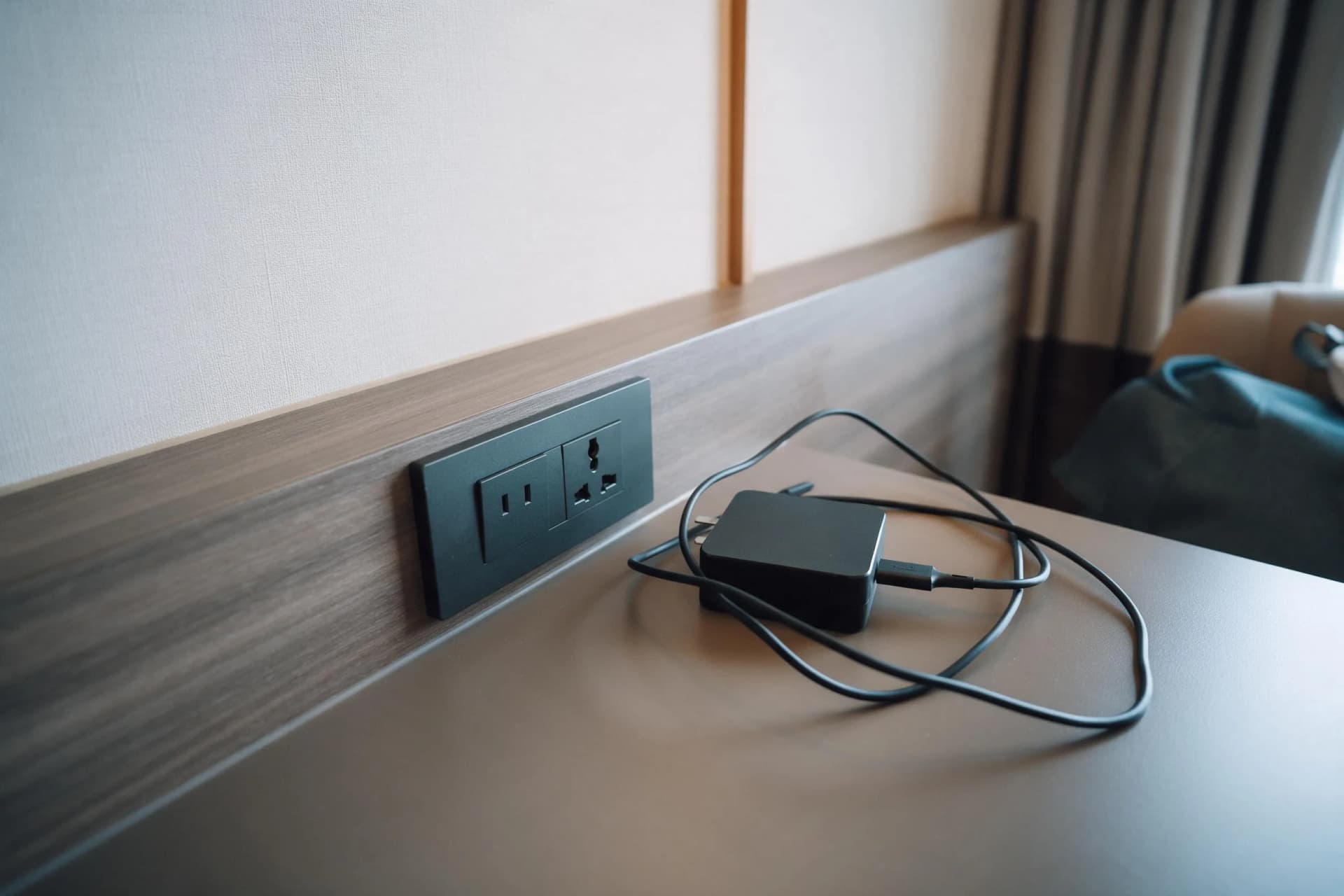
Mainland China uses a nominal 220-volt, 50-hertz supply and commonly has Type A, C and I outlets. Many modern phone and laptop chargers accept 100–240 volts, so they usually need only a physical plug adapter, while single-voltage appliances may need a voltage converter. Check the label on every charger before plugging it in.
Look at the small text on the power adapter, not just the appliance name. A charger marked 100–240V, 50/60Hz is dual-voltage and generally suitable for China with a compatible plug. A appliance marked only 120V is not safe on the 220V supply without a suitable transformer. Hair dryers, curling irons and some medical devices are often the items that create danger because their power demand is high.
Type A outlets have two flat pins, Type C has two round pins and Type I has oblique flat pins with an earth pin. Hotels may accept more than one type, but outlets can be loose, crowded behind furniture or too few for a family's devices. A compact universal adapter with a known safety certification is more useful than several loose adapters. Avoid very cheap adapters with no rating or brand information.
A plug adapter changes the shape of the pins but not the voltage. A converter or transformer changes voltage but still needs the correct plug. Do not confuse the two. For laptops, cameras, phones and most USB devices, the charger itself usually handles voltage. Use the charger supplied or certified for the device and avoid high-power fast charging from an unknown multi-socket accessory.
Hotels, trains, airports and cafes may provide USB ports, but do not rely on them as the only charging plan. Bring a short certified charging cable and a compact power strip if several travelers share one outlet. Confirm that the strip supports the local voltage and that its plug fits the outlet. Never put a high-power appliance through a low-rated travel adapter.
Power cuts and voltage fluctuations are uncommon in major tourist areas but can happen. Back up photos and keep a charged power bank for transit days. Airlines and railway security may restrict power-bank capacity, so check the rules for the specific operator before travel. Keep devices cool and unplug chargers that become unusually hot or emit a smell.
If you need a medical device, contact the device maker and airline before departure. Ask whether it requires a pure sine-wave power supply, battery backup or special approval. Do not depend on a hotel's borrowed converter for a critical device. Carry the device's technical sheet and a plan for charging during long train or flight delays.
Check the plug and voltage of every item you intend to use, especially travel adapters sold in a different country. A universal adapter may fit the wall but still have a low current rating. Laptop bricks, camera chargers and multi-port USB units can become warm in use, so place them on a hard surface and avoid covering them with bedding or clothing.
A modest packing kit is usually enough: one certified adapter, one short USB-C cable, one spare cable, a compact power strip and a power bank. Label your own cables, because identical chargers are easy to mix up in a family group. If an outlet is loose or sparks, stop using it and ask hotel staff for another socket rather than forcing the plug.
Long-distance trains usually provide charging at many modern seats, but the socket position and availability vary by carriage and train model. Carry a charged battery for the arrival day and do not assume every seat has a working USB port. For a family sharing devices, allocate charging time during meals and hotel stops rather than competing for one outlet at midnight.
Rules can change and may be applied differently by airport, railway station, embassy or consulate. Check the official source again close to departure, carry the relevant documents and ask the operating company when the answer affects health, immigration or a non-refundable booking. Voltage and outlet information is stable in broad terms, but hotel wiring and device requirements vary. The device label and a qualified electrician or manufacturer take priority.
Good to know
- Voltage
- 220V nominal in mainland China
- Frequency
- 50Hz
- Common plugs
- Type A, Type C and Type I
- Adapter
- Changes pin shape only
- Converter
- Changes voltage and must match appliance power
Frequently asked questions
Can I use my US phone charger in China?
Check the charger label first. If it says 100–240V and the plug fits or you use a suitable adapter, it is normally usable. A 120V-only device is not.
Do I need a voltage converter?
Most phones, laptops and camera chargers do not. Single-voltage high-power appliances may, but converters are bulky and must be correctly rated.
Will every hotel have the same outlets?
No. Many accept Type A, C and I plugs, but outlet layout varies. Carry one reliable adapter and a compact power strip for multiple devices.
Keep exploring
Sources & verification
Sources used for this guide
Time-sensitive travel details can change. Reconfirm opening hours, prices and entry rules before departure.
- 1iec.chiec.ch
- 2openstd.samr.gov.cnopenstd.samr.gov.cn
Local operating context
ChinaMira Travel Team contributes local route and operating knowledge from China. This team byline identifies a real operating group rather than a fictional individual author.
Plan this trip
Turn this guide into a practical itinerary
Send us the article as context. A ChinaMira specialist can check the route, dates, transport, tickets and the details that need local confirmation.