
Power Bank Rules on China High-Speed Trains
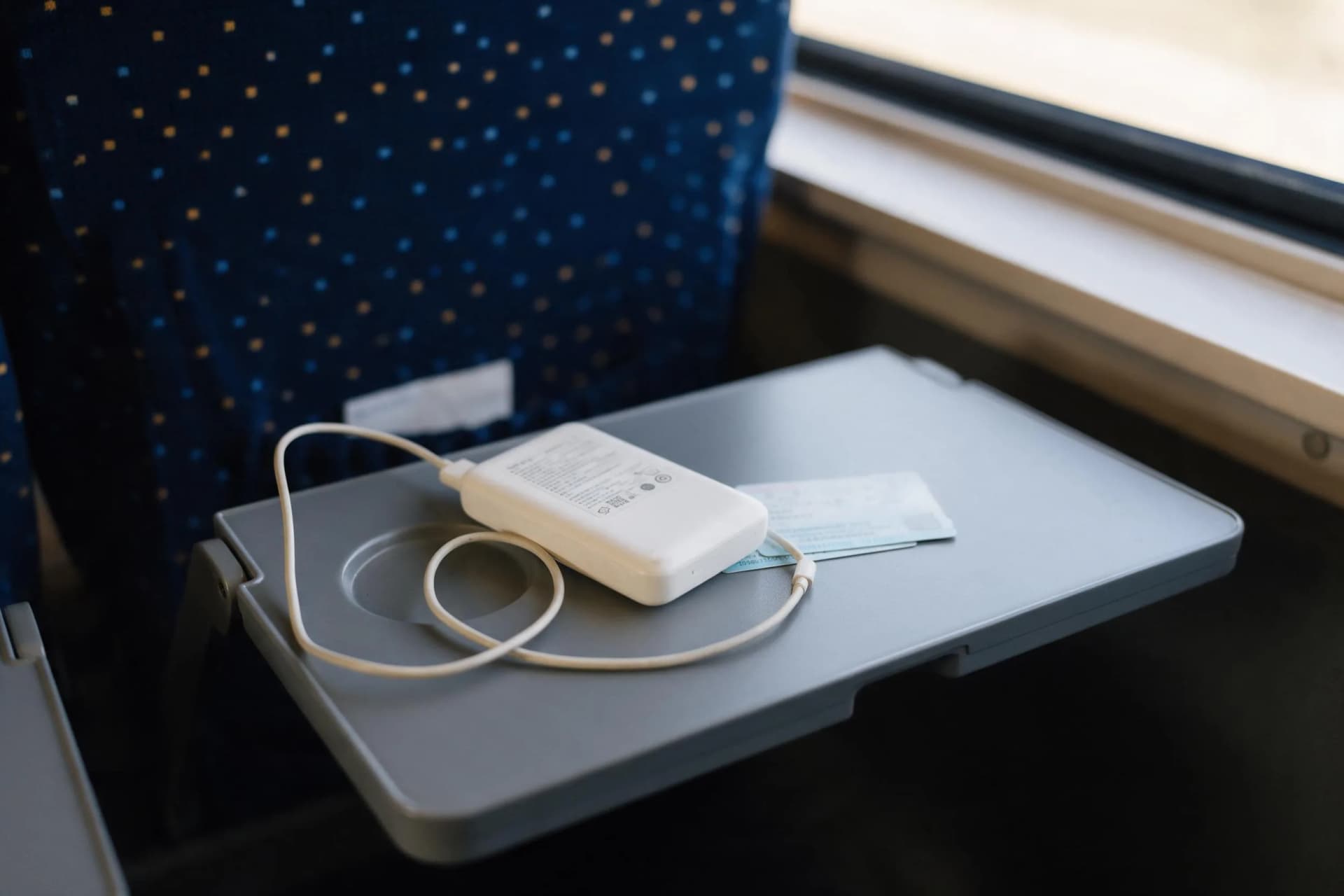
Carry a power bank with a clear capacity and electrical specification, keep it in hand luggage, and check the latest railway security notice before departure. Capacity limits and screening practice can change, so do not rely on an unlabeled or damaged battery even if it previously passed through another transport system.
Railway security focuses on the condition and identification of batteries as well as headline capacity. A power bank should have a readable label showing capacity, voltage or watt-hour information. Remove loose batteries from metal objects and prevent short circuits. A swollen, cracked or unusually hot battery should not be carried on any train or aircraft.
Capacity is easiest to compare in watt-hours. If only amp-hours and voltage are shown, multiply them to estimate watt-hours. Keep a photo of the label and the purchase documentation for larger or professional batteries. Travelers using camera batteries, drones or medical equipment should ask the specific railway and airline before travel because multiple cells and professional equipment can face additional checks.
Keep power banks in the cabin or seat area rather than checked or inaccessible luggage. Do not charge a device while it is under a pillow or otherwise trapping heat. Use a certified cable and the original charger where possible. If a battery becomes hot, smells strange, sparks or changes shape, disconnect it, move it away from flammable material and alert staff.
Airport and railway rules are not identical. A battery accepted on a flight may be treated differently at a station, and a domestic rail journey can involve multiple security checks. Pack the battery at the top of the bag so it can be inspected without emptying the whole suitcase. Avoid buying unlabeled batteries from informal sellers during the trip.
If you carry several batteries for cameras or outdoor equipment, label each one and keep terminals protected. Do not put loose batteries in the same pouch as keys, coins or tools. A short circuit can generate heat even when the battery is not connected to a device. The safest bag is one with a dedicated, non-metallic compartment and enough ventilation.
Charging from a train outlet is not a substitute for checking the power bank before departure. Some outlets may stop supplying power when the train changes crew or crosses a section boundary. Carry enough battery for the final transfer and keep the phone's offline ticket, hotel address and emergency contact available even if the main device runs out.
Avoid charging a power bank and a phone in a closed bag. If the battery or cable becomes warm beyond normal, disconnect both devices and let them cool in a visible, non-flammable area. Do not attempt to repair a damaged battery or tape over a cracked casing. Replace it with a clearly rated product from a reputable seller.
For travel by both air and rail, check the most restrictive rule that applies to the entire route. Airport carry-on limits, airline approval for larger batteries and railway station screening are separate decisions. Keep purchase documentation for professional equipment and ask before relying on a battery for a medical device or essential work equipment.
A small 10,000–20,000 mAh power bank is usually enough for a phone and a camera over a travel day, but capacity claims are not always accurate. Choose a known brand, inspect the ports and cable for damage and avoid using the battery in extreme heat. If a security officer questions the item, present the label rather than arguing about its previous use.
Keep the power bank with you in the passenger compartment, not in a bag placed in a luggage area where you cannot see or reach it. Before boarding, test that the cable and port are secure and that the battery is not already overheating. If the battery is only for emergencies, leave it partially charged rather than storing it at a full charge for weeks.
China Railway publishes passenger and prohibited-item guidance, but local stations may apply operational checks. Rules can change and may be applied differently by airport, railway station, embassy or consulate. Check the official source again close to departure, carry the relevant documents and ask the operating company when the answer affects health, immigration or a non-refundable booking.
Good to know
- Label
- Keep capacity and voltage information readable
- Condition
- Do not travel with swollen, cracked or unusually hot batteries
- Placement
- Keep in accessible hand luggage
- Safety
- Avoid trapped heat and damaged cables
- Verification
- Check current railway security guidance before departure
Frequently asked questions
Can I take a power bank on a China high-speed train?
Power banks are commonly carried for personal device charging, but the unit should be intact and clearly labeled. Confirm the current railway security limit before travel.
Can I use my power bank during the journey?
Charging a phone at your seat is normally practical when done safely. Do not let the battery overheat or block ventilation around it.
What should I do with a swollen power bank?
Do not put it on a train or aircraft. Stop using it, isolate it from flammable material and follow a qualified battery-disposal or emergency service.
Keep exploring
Sources & verification
Sources used for this guide
Time-sensitive travel details can change. Reconfirm opening hours, prices and entry rules before departure.
- 112306.cn12306.cn
- 2china-railway.com.cnchina-railway.com.cn
Local operating context
ChinaMira Travel Team contributes local route and operating knowledge from China. This team byline identifies a real operating group rather than a fictional individual author.
Plan this trip
Turn this guide into a practical itinerary
Send us the article as context. A ChinaMira specialist can check the route, dates, transport, tickets and the details that need local confirmation.